
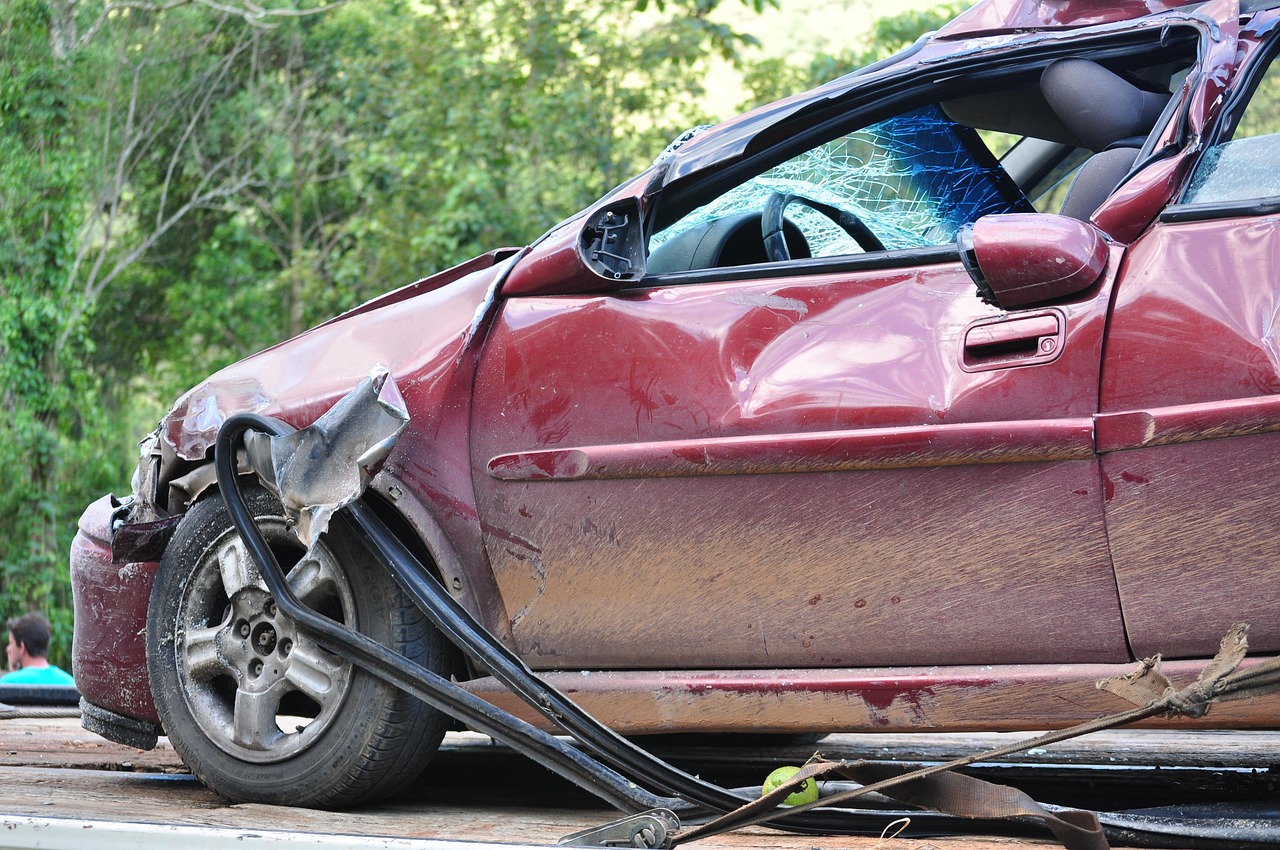
Image by Netto Figueiredo from Pixabay
The startling answer is yes when we ask “are women more likely to die in a car crash.” Research shows women face 73% higher injury rates and 17% higher fatality rates in frontal collisions compared to men.
Men get into more car accidents overall. However, women bear a disproportionate burden of crash impacts. A female driver using safety belts has a 47% higher risk of severe injuries than a male driver with belts in similar crashes. Their bodies also react differently to impacts. Women experience more pelvis and liver injuries, and their bodies go into shock more frequently after crashes.
This piece will get into crash statistics by gender and break down why women face greater dangers on the road. We’ll also look at the significant gender bias in vehicle safety design that puts female drivers at risk. Newer vehicles have started reducing these disparities, but understanding these differences remains vital to road safety.
Crash Statistics by Gender: Who Is More at Risk?
The statistics reveal a troubling picture of gender differences in car accidents. Men get into more accidents and cause about 70% of all deadly crashes. Notwithstanding that, men’s crash rates have dropped steadily over decades, while women’s rates stay mostly unchanged.
A deeper look at the numbers shows something unexpected. Young women riding in vehicles face a 20% higher death risk compared to men their age in matching conditions. In fact, female drivers have 47% higher chances of getting badly hurt than male drivers in similar crashes.
Female drivers who wear seatbelts face 38-67% higher risks of chest and spine injuries than men in similar crash situations. This higher risk exists whatever the seat position, airbag deployment, or seat-belt use.
Many factors create these differences. Men tend to take more risks like speeding and drunk driving, but women’s bodies are more likely to get hurt in crashes. Body size differences and physical factors play a big role. Women’s choice of smaller, lighter cars that protect less during crashes also matters.
Women have 5.7 accidents per million miles driven compared to men’s 5.1. Men’s deadly crash rate stays by a lot higher at 2.1 per 100 million miles while women’s rate is 1.3.
Why Women Suffer More in Similar Crashes
Women’s bodies suffer more severe crash injuries than men for several reasons. Biological differences play a crucial role – women have less muscle mass around their neck and upper torso, different pelvic structures, and varying bone density. Female drivers who wear seatbelts face 38% higher odds of chest injuries and 67% higher odds of spine injuries compared to men in similar crashes.
The type of vehicles people drive makes this problem worse. Women tend to drive smaller, lighter cars that don’t protect as well during collisions. Men usually pick larger vehicles like SUVs and trucks that can absorb crash forces better.
A woman’s body handles trauma differently than a man’s. Women exceed shock indices more often than men, even with fewer total injuries, which shows their bodies react differently to blood loss. Their risk of leg injuries is almost double (98.5%), and they’re 73% more likely to get hurt even with seatbelts on.
Safety systems work better for men’s bodies than women’s. Crash test dummies match average male bodies, while female dummies only represent the smallest 5% of women. These female dummies don’t account for important features like women’s unique spinal curves. This creates a dangerous gap in vehicle safety design.
The Gender Bias in Car Safety Design
A troubling secret lurks behind every vehicle’s safety rating: crash test dummies that determine these ratings represent male bodies almost exclusively. The automotive industry based these dummies on the average man – 5’9″ and 171 pounds. This male-focused approach has continued for more than four decades.
The absence of an average adult female crash test dummy reveals a startling truth. The current “female” dummy, introduced in 2003, is nothing more than a scaled-down male version. It represents only the smallest 5% of women based on 1970s standards and doubles as a 12-year-old child. The situation becomes more concerning because this dummy rarely sits in the driver’s seat during frontal crash tests.
This gender bias shapes vehicle manufacturing directly. Manufacturers design their vehicles specifically to pass crash tests. The lack of female representation in testing means companies won’t make necessary changes to protect women better.
Scientists like Astrid Linder have created prototypes of anatomically correct female dummies. The implementation remains stalled because no regulatory requirements mandate their use.
Decades of alarming statistics and safety supporters’ pleas have failed to convince regulators to change testing standards. Neither the US nor EU demands testing with proper female dummies. This oversight continues to put women at risk on roads worldwide.
Conclusion
Research shows a disturbing pattern of automotive safety inequality between genders. Women have much higher risks of injury and death in car crashes even though men get into accidents more often. Biological differences play a role, but the biggest problem comes from an industry that designs safety systems for male bodies.
Decades of vehicle design and testing have relied on male-shaped dummies. Women then pay the price with their safety and sometimes their lives. Regulators don’t deal very well with a glaring oversight – the lack of an anatomically correct female crash test dummy.
Safety features like seat belts, airbags, and headrests don’t work as well for female bodies because designers never considered women’s physiology. Women typically drive lighter vehicles that offer less protection during collisions, which makes these risks even worse.
Making vehicles equally safe needs complete changes. Regulators must require testing with anatomically correct female crash test dummies. Vehicle safety ratings should show protection levels for all occupants, whatever their gender. Women will face unfair risks every time they drive until these changes happen. And when accidents do occur, knowing where to turn matters. ConsumerShield provides up-to-date insights on accident and injury cases, and helps connect women with qualified local attorneys who can advocate for fair treatment after a crash.
This gender gap in automotive safety reminds us that neutral-looking technologies often hide biases. Recent vehicle models have started closing this safety gap, but there’s still work to be done. We just need better protection for everyone on the road. Only when we are willing to accept that true vehicle safety means protecting all passengers – not just those matching male crash test dummy dimensions – can we make real progress.
Disclaimer: This article is for general information only. It is not medical, legal, or professional advice. The facts and numbers shared come from public research and reports available at the time of writing. We do not guarantee that all information is complete or up to date. Readers should not rely only on this article when making safety or legal decisions. Always check with experts, official sources, or local authorities for guidance. We are not responsible for any actions taken based on this article.

Dorothy I. Johnson is the heart and soul of Flash Flyer Blog’s writing team. Dorothy loves storytelling and finds the extraordinary in everyday life. She has a unique voice for sharing travel stories, tech trends, wellness tips, and food finds. Her relatable style makes complex ideas easy to grasp. She also turns simple moments into captivating stories. Dorothy’s background and curiosity inspire her to make content that connects with readers. They can find either practical tips or new viewpoints in her work. When she’s not writing, she likes to explore new places. She experiments in the kitchen or dives into a new personal growth book.