

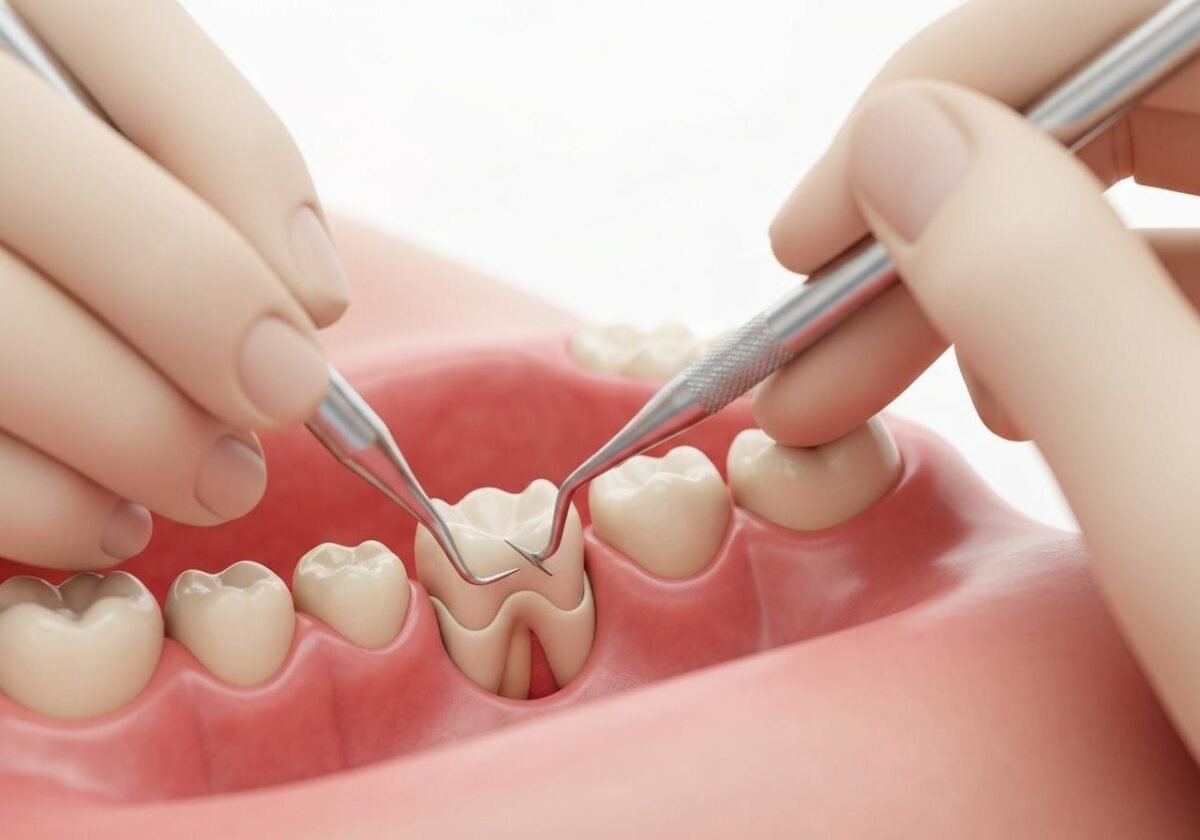
Wisdom teeth extraction is a routine clinical procedure performed extensively across Australia. While it is standard practice, surgical removal of third molars carries inherent risks due to complex anatomical locations, neighboring neural networks, and potential post-operative complications. For dental practitioners, understanding the precise statutory and common law requirements governing these procedures is critical. Operating a dental clinic requires strict adherence to national health standards to preserve clinical integrity and protect practitioners from professional misconduct complaints or civil litigation.
The Legal Framework of Informed Consent
In Australian dental practice, valid informed consent is not merely a bureaucratic task or a signed piece of paper; it is a rigorous, ongoing legal process. Following the landmark High Court of Australia decision in Rogers v Whittaker, a dental practitioner has an absolute common law duty to warn patients of any material risks involved in a proposed treatment, as well as reasonable alternative options. A risk is legally deemed “material” if a reasonable person in the patient’s position, or the specific patient if the clinician is aware of their unique circumstances, would attach significance to it.
For third molar extractions, this legal threshold demands that practitioners explicitly discuss specific complications. Statistical evidence indicates that a vast majority of Australian oral and maxillofacial surgeons maintain consensus on mandatory written disclosures. Clinicians must inform patients about the risks of permanent or temporary inferior alveolar nerve damage, lingual nerve injury, localized alveolar osteitis (dry socket), and secondary infections. Failing to facilitate this comprehensive discussion leaves a practitioner highly vulnerable to claims of negligence or trespass to the person (battery), regardless of how skillfully the physical surgery was executed.
Pre-operative Planning and Clinical Records
Defensible clinical practice relies heavily on comprehensive pre-operative planning and meticulously maintained records. Under the Australian Health Practitioner Regulation Agency (AHPRA) and the Dental Board of Australia guidelines, practitioners must thoroughly document the initial diagnostic process. This includes high-resolution panoramic radiographs or Cone Beam Computed Tomography (CBCT) scans to assess the exact proximity of the third molar roots to the mandibular canal.
From a clinical perspective, identifying these structural complexities early allows practitioners to establish realistic timelines and execute precise surgical interventions. Adequate clinical preparation reduces intra-operative trauma and mitigates the severity of adverse outcomes, demonstrating that proper planning often makes wisdom teeth extraction recovery easier overall for the patient. Conversely, failing to conduct a rigorous pre-operative assessment can lead to catastrophic mechanical failures, such as late mandibular fractures or accidental root displacement into the submandibular space, which heavily complicate a clinician’s professional liability.
Vicarious Liability and Referral Pathways
General dental practitioners must accurately recognize the limitations of their clinical expertise. If a third molar exhibits complex impaction or severe neural proximity, the practitioner has a legal and ethical obligation to offer the patient a referral to a qualified oral and maxillofacial surgeon. Attempting a procedure that exceeds a clinician’s skill level violates the established standard of care.
Furthermore, principal dentists and practice owners must understand the concept of vicarious liability. Under Australian civil law, a clinic owner can be held legally responsible for the negligent acts, omissions, or inadequate consent processes carried out by their employed staff dentists during third molar surgeries. Implementing standardized consent protocols, routine auditing of clinical notes, and clear referral pathways across the practice are essential risk management strategies to prevent systemic legal vulnerabilities.
Civil Liability and Negligence Claims
When a surgical complication materializes and a patient suffers harm—such as irreversible nerve damage or severe systemic infection—the legal ramifications are governed by state-based civil liability legislation, such as the Wrongs Act 1958 in Victoria or the Civil Liability Act 2002 in New South Wales. To successfully bring a medical negligence claim against a dental practitioner, an injured patient must prove that the clinician owed a duty of care, breached that duty by falling below an acceptable professional standard, and directly caused the sustained injuries.
If an undisclosed material risk occurs, or if surgical execution deviates from peer-professional opinion, injured patients frequently seek legal representation to pursue financial remedies. In severe cases involving permanent sensory loss or prolonged corrective surgeries, affected individuals often engage specialized compensation lawyers to manage their medical negligence claims and secure damages for medical expenses, pain, suffering, and loss of income. For dental professionals, maintaining robust professional indemnity insurance and strictly adhering to defensive, evidence-based clinical protocols remain the ultimate safeguards against catastrophic legal exposure.
READ ALSO: The Science Behind Dental Veneers: Modern Techniques for Natural-Looking Results