

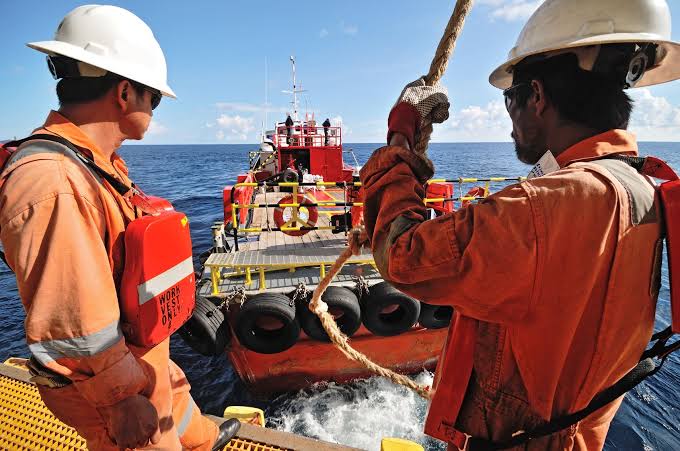
Working offshore is hard on the body and often dangerous. Employees on vessels, oil rigs, and other maritime worksites face heavy equipment, unpredictable weather, and hazardous materials as part of their daily routine. Because of these risks, maritime law provides specific legal protections that go beyond standard workers’ compensation systems. One of the most important protections comes through Jones Act claims, which give injured offshore workers a path to recover compensation when negligence plays a role in an accident.
What Is the Jones Act?
A federal law called the Jones Act is meant to protect sailors who get hurt while working on open waters. Unlike traditional workers’ compensation, which usually prevents employees from suing their employers, this law allows maritime workers to file a legal claim directly against an employer if the injury resulted from negligence. This means that if unsafe conditions, lack of training, or faulty equipment contributed to the incident, the injured worker may seek financial recovery.
This legal option recognizes that offshore environments are complex and high-risk. It ensures that companies responsible for maintaining safe working conditions are held accountable when they fail to do so.
Who Qualifies for Protection
Not every maritime employee automatically qualifies. The law generally applies to seamen who spend a significant amount of their working time on a vessel in navigation. This can include crew members on ships, tugboats, barges, and certain offshore drilling units. The worker must contribute to the function or mission of the vessel to be considered eligible.
Determining eligibility can be complex. Job duties, time spent on the vessel, and the nature of the work all matter. Legal guidance is often necessary to confirm whether a worker’s role fits within the definition.
How Negligence Is Proven
A key feature of Jones Act claims is the requirement to show employer negligence. This does not mean the employer must be entirely at fault. Even a small degree of negligence can support a valid claim. Examples include failure to maintain equipment, lack of proper safety gear, inadequate supervision, or unsafe work procedures.
Evidence can come from maintenance records, witness statements, accident reports, and medical documentation. Because maritime employers often conduct their own investigations, it is important for injured workers to document everything as soon as possible.
Types of Compensation Available
Injured offshore workers may be entitled to several forms of compensation. These can include paying for medical bills, lost wages, lessened ability to make money in the future, and pain and suffering. This is different from traditional workers’ compensation, which typically limits recovery to medical bills and partial wage replacement.
The law also provides for maintenance and cure, which covers basic living expenses and medical care until the worker reaches maximum medical improvement. This support is owed regardless of fault, giving injured seamen immediate financial assistance while their legal case proceeds.
Why Timely Action Matters
Reporting an injury quickly is critical. Delays can make it harder to get proof, and they could give the boss a reason to fight the claim. Offshore workers should seek medical attention right away and notify a supervisor as soon as an incident occurs.
Keeping personal records, including photos and written accounts, can strengthen a case. Legal deadlines also apply, so waiting too long could limit a worker’s right to pursue compensation.
Strengthening Safety Through Legal Rights
The existence of Jones Act claims does more than provide financial recovery. It encourages employers to maintain safer vessels, follow proper training procedures, and address hazards promptly. When companies know they can be held legally responsible, safety standards tend to improve.
For offshore workers, understanding these rights is essential. Knowledge of legal protections helps ensure that if an accident happens, they are not left to deal with medical bills and lost income alone. The law serves as both a safety net and a reminder that worker well-being must remain a top priority in the challenging offshore environment.