
Image by Wolfgang Eckert from Pixabay
In the high-pressure world of aviation, healthcare, and industrial operations, the margin for error is often non-existent. A surgeon’s slip of the hand, a pilot’s miscalculation during a storm, or an oil rig worker’s hesitation can lead to catastrophic loss of life and property. For decades, training for these roles has been a paradox: human beings learn best by making mistakes, yet in these fields, mistakes are impermissible.
This high-stakes environment often breeds a culture of fear, where learners play it safe rather than pushing the boundaries of their skills to truly master them. However, a paradigm shift is occurring. Virtual reality training is revolutionizing how we approach dangerous jobs by reintroducing the most powerful learning tool available to us: the freedom to fail.
The Paradox of Perfection in High-Stakes Industries
Traditional training methods in high-risk sectors focus heavily on procedure and protocol. While necessary, this approach often fails to replicate the psychological pressure of a real crisis. When a trainee knows they are being watched and that a mistake could end their career or harm someone, their cognitive bandwidth narrows. They focus on survival and compliance rather than deep learning.
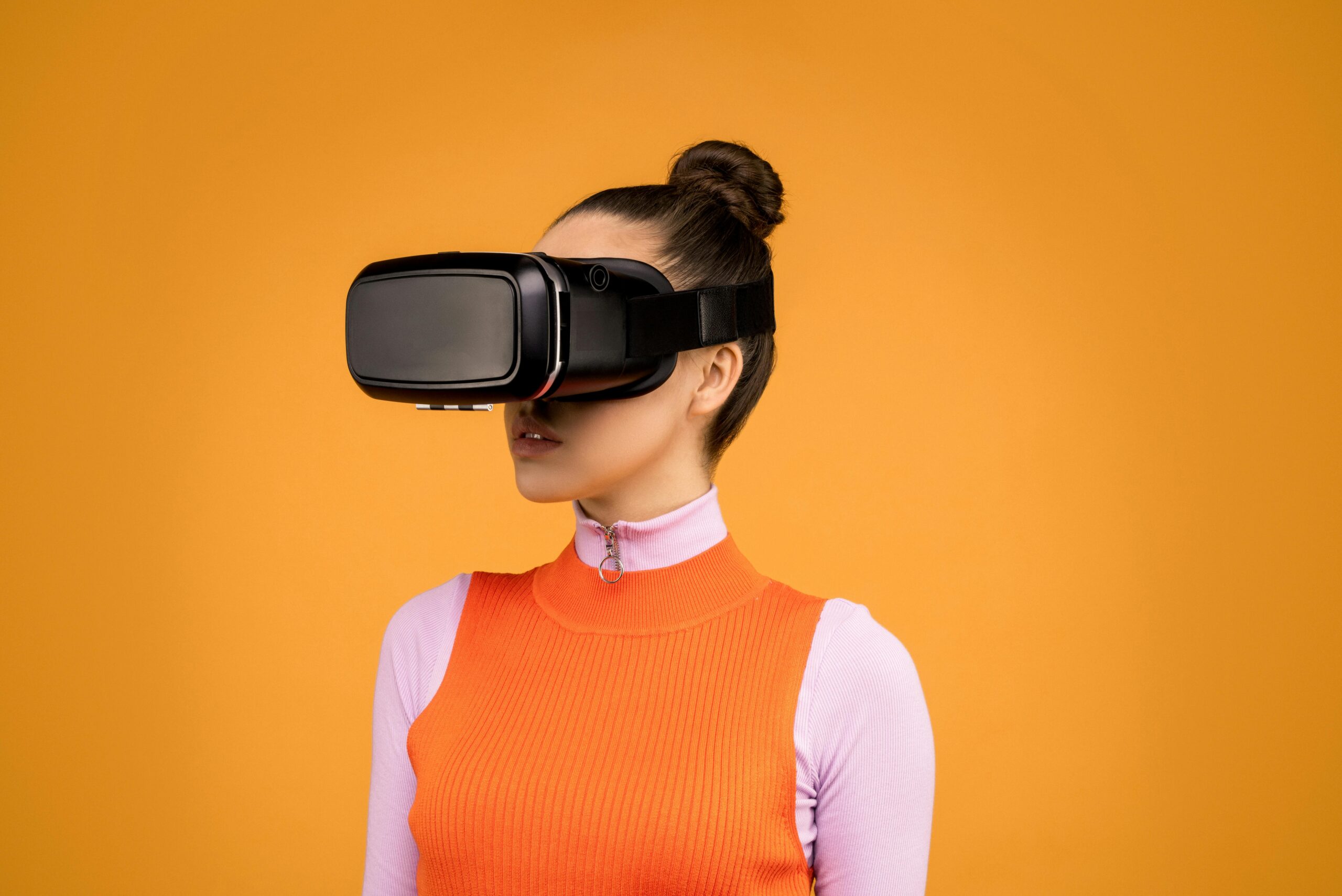
This is where virtual reality training fundamentally changes the equation. By creating an immersive, hyper-realistic environment, VR allows organizations to decouple the experience of failure from the consequences of failure. In a virtual simulation, a pilot can experience a dual-engine failure at 500 feet, or a surgeon can nick a major artery. The stress response is real—palms sweat, heart rates rise—but the outcome is a “Game Over” screen rather than a tragedy.
Constructing Psychological Safety in a Digital World
Psychological safety is the belief that one will not be punished or humiliated for speaking up with ideas, questions, concerns, or mistakes. In the context of training, it means creating a space where errors are viewed as valuable data points rather than signs of incompetence.
Virtual reality training acts as the ultimate “sandbox” for psychological safety. Because the environment is simulated, the fear of real-world repercussions vanishes. This allows trainees to:
- Experiment with Decision Making: Learners can try different approaches to a problem to see what works best, fostering innovation and adaptability.
- Build Resilience: Experiencing a catastrophic failure in VR helps desensitize trainees to the panic associated with emergencies. When a real crisis occurs, they are less likely to freeze because they have “been there” before.
- Receive Objective Feedback: Unlike a human supervisor who might be biased, VR systems provide immediate, data-driven feedback on performance, which is often easier for trainees to accept and act upon.
Learning From “Fatal” Mistakes: Industry Applications
The ability to commit fatal errors and walk away wiser is transforming several key industries.
Aviation and Aerospace
Pilots have long used flight simulators, but modern VR training takes this a step further by offering portable, high-fidelity scenarios for specific emergency procedures. A pilot can practice recovering from a stall or handling a cabin fire repeatedly until the muscle memory is ingrained. If they crash in the simulation, they analyze the black box data, reset the system, and try again immediately.
Healthcare and Surgery
In medical training, the stakes are intimately personal. Virtual reality training allows residents to perform complex surgeries without risking patient safety. If a trainee severs a nerve during a virtual procedure, the system highlights the error and explains the anatomical consequence. This “shock” of virtual failure creates a potent memory anchor, ensuring the same mistake is never made on a live patient.
Industrial Operations and Offshore Rigs
For workers on oil rigs or in chemical plants, emergency response training is often theoretical because real drills are too dangerous or disruptive. VR allows these workers to fight virtual fires, seal leaking pipes, or evacuate a sinking platform. They can experience the chaos of an industrial accident, make the wrong choice, and see the simulated explosion. This visceral lesson is infinitely more effective than reading a safety manual.
Choosing the Right Partner for Realistic Failure
To leverage these benefits, the quality of the simulation matters. When selecting a VR training provider, organizations must look for developers who understand the nuance of “presence.” The physics must be accurate, the visuals convincing, and the scenarios pedagogically sound.
A top-tier VR training provider will not just build a walkthrough; they will build a challenge. They will design scenarios specifically meant to test the limits of the trainee’s knowledge, inducing failure in a controlled manner to identify gaps in competency. The goal isn’t just to verify what the employee knows, but to expose what they don’t know in a safe environment.
Transforming Organizational Culture
Implementing virtual reality training sends a powerful message to the workforce: “We value your growth more than your perfection during training.” This shift encourages a learning mindset. Employees stop hiding their weaknesses and start actively working on them.
When an organization embraces the concept that failure is an option—provided it happens in the virtual world—they unlock a higher tier of performance. They produce professionals who are not just certified, but battle-tested. They possess the calm confidence that comes from having faced the worst-case scenario and learned exactly how to survive it.
Conclusion
The old adage “practice makes perfect” is incomplete; perfect practice makes perfect, but imperfect practice leads to growth. Virtual reality training provides the unique stage where imperfection is not only tolerated but utilized as a powerful teaching mechanic. By allowing surgeons, pilots, and industrial workers to fail safely, we ensure that when they step into the real world, they are prepared to succeed when it matters most.
This evolution bridges the critical gap between theoretical knowledge and practical mastery. By normalizing error in the digital realm, we eliminate the paralyzing fear of mistakes in the physical one. The future of high-stakes safety lies not in avoiding failure entirely, but in harnessing it to build a generation of professionals who are resilient, adaptable, and truly ready for the unknown.
Explore More
Understanding Depression: Symptoms and Support Options