

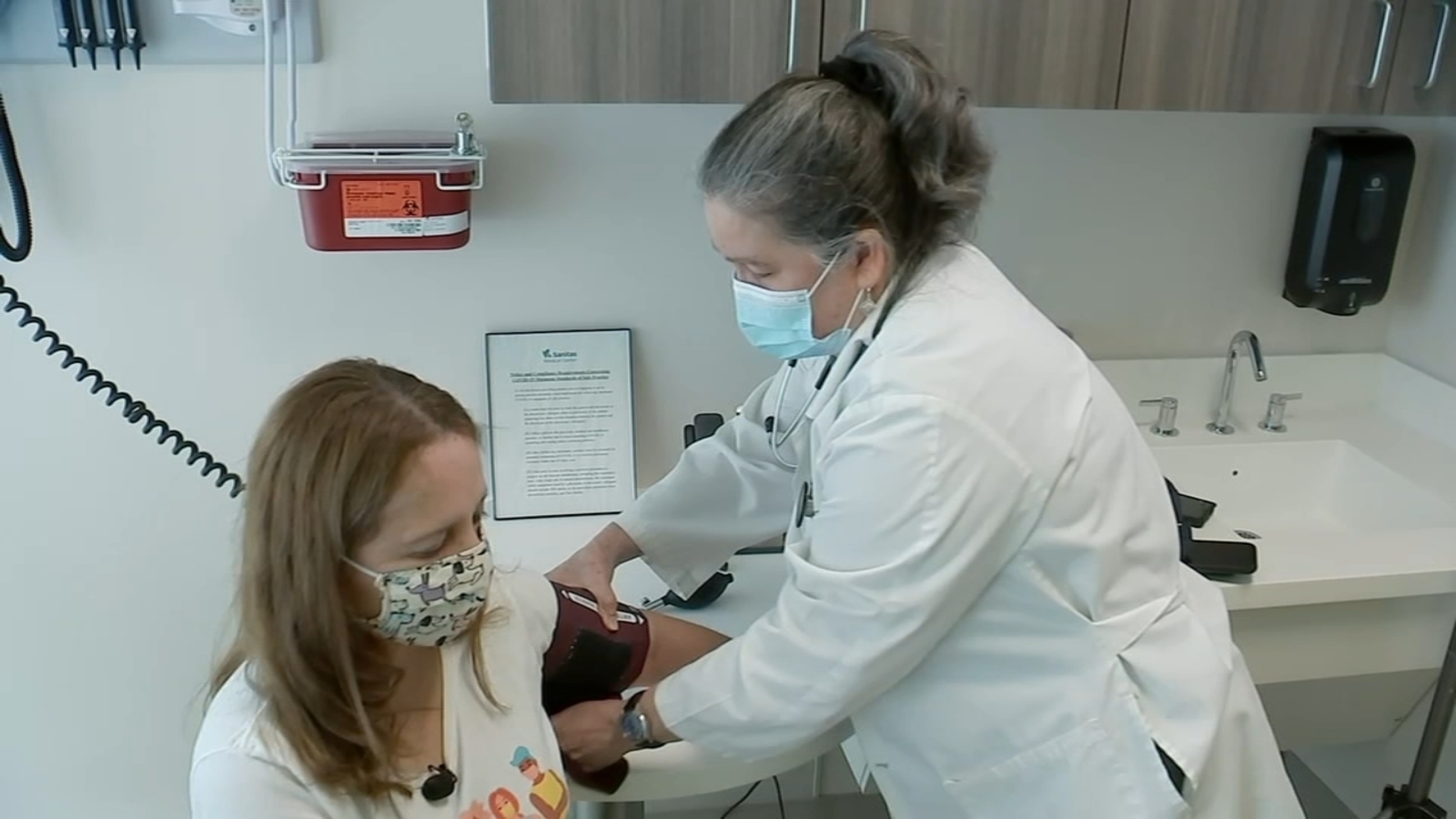
Going to the doctor when you feel fine might seem strange. But this is exactly what preventive care is all about. If you’re looking for a Hispanic Medical Clinic In Plano,TX that focuses on keeping you healthy, you’re making one of the smartest choices for your family’s future.
Preventive care means checking your health before problems start. It’s like fixing a small crack in your windshield before it spreads across the whole glass.
What Is Preventive Care?
Preventive care includes regular check-ups, vaccines, blood tests, and health screenings. These visits help doctors find issues like diabetes, high blood pressure, or heart problems early—when they’re easier to treat.
At Hispanic medical clinics in Plano, doctors focus on keeping you healthy instead of just treating you when you’re sick. They look for warning signs your body might be giving before you even notice them.
Why Preventive Care Matters for Hispanic Families
Many Hispanic families in Plano face unique health challenges. Some people work long hours and find it hard to take time off. Others worry about costs or feel uncomfortable because of language barriers.
Hispanic medical clinics in Plano understand these concerns. They serve over 35,000 Hispanic residents and offer services in Spanish, with staff who understand your culture. Many clinics have evening or weekend hours to fit your work schedule.
The reality is simple: Small health problems don’t stay small. High blood pressure can lead to heart attacks. Slightly high sugar levels can turn into diabetes. Catching these issues early makes treatment easier and less expensive.
How Early Detection Saves Lives
When diseases are found early, treatment is more effective. A person who discovers high cholesterol during a routine check-up can make diet changes and take low-cost medicine. This simple step can prevent a heart attack years later.
Early screening for cancer saves thousands of lives every year. Diabetes caught in the early stages can often be managed with lifestyle changes alone—no insulin shots needed. High blood pressure found early responds well to medicine and diet changes.
The numbers are clear: Research shows that just five preventive services—cancer screenings, flu vaccines, and health counseling—could prevent 100,000 deaths each year across the country.
Preventive Services Available at Hispanic Clinics
Hispanic medical clinics in Plano offer comprehensive preventive care services:
Health Screenings: Regular tests check your blood pressure, blood sugar, cholesterol, and screen for different types of cancer. These tests catch problems before symptoms appear.
Vaccinations: Flu shots, COVID vaccines, and other immunizations protect you and your family from serious illnesses. Vaccines are especially important for children, pregnant women, and older adults.
Annual Check-Ups: Yearly physical exams let your doctor track your health over time. They can spot small changes that might signal bigger problems down the road.
Chronic Disease Management: If you have diabetes, asthma, or heart disease, regular monitoring helps keep these conditions under control and prevents complications.
Health Education: Doctors and nurses teach you about nutrition, exercise, stress management, and other ways to stay healthy.
The Financial Benefits
Here’s good news: Most health insurance plans cover preventive care at no cost to you. That means no co-pay and no surprise bills when you go for check-ups, screenings, or vaccines.
Preventive care also saves you money in the long run. A person with prediabetes who makes lifestyle changes can avoid developing full diabetes. If they miss this chance and develop diabetes, their medical costs become 2.6 times higher for the rest of their life.
Treating advanced diseases costs thousands of dollars more than preventing them. Emergency room visits, hospital stays, and complex treatments are much more expensive than regular check-ups.
Benefits for the Whole Family
When parents stay healthy, they can work and provide for their children. They have energy to play, help with homework, and enjoy family time.
When children get regular check-ups and vaccines, they miss fewer school days. They grow up healthier and develop good habits that last a lifetime.
Preventive care creates a ripple effect. One healthy family member inspires others to take care of themselves too.
How to Get Started
Starting preventive care is simple. Call a Hispanic medical clinic in Plano and schedule a wellness visit or annual physical. Tell them it’s been a while since your last check-up.
For trusted, comprehensive preventive care services, Vida Care 360 offers bilingual staff and a full range of health screenings designed specifically for Hispanic families in the Plano area.
Bring a list of any medicines you take, including vitamins or supplements. Write down questions you want to ask. Don’t be shy—doctors expect questions and want to help you understand your health.
If you don’t have insurance, ask about sliding scale fees or community health programs. Many clinics work with families to make care affordable.
Building a Relationship with Your Doctor
Regular visits help you build trust with your doctor. Over time, they learn your health history, your family’s medical background, and what works best for you.
This relationship matters. When health concerns come up, you have someone who knows you personally. You’re not explaining everything from scratch to a stranger. Your doctor becomes your health partner.
At Hispanic clinics in Plano, doctors and staff speak your language and understand your culture. They respect your traditions and work with you to create health plans that fit your lifestyle.
Don’t Wait Until It Hurts
The biggest mistake people make is waiting until something feels wrong. By then, a simple problem might have become serious. Prevention is always easier than treatment.
Your health is your most valuable possession. Without it, you can’t work, enjoy life, or take care of your family. Taking one hour for a check-up today could give you many more healthy years tomorrow.
FAQs
Q: How much does preventive care cost? Most insurance plans cover preventive care visits, screenings, and vaccines for free when you see an in-network doctor.
Q: How often should I get a check-up? Most adults should have a check-up once a year, but your doctor might recommend more visits if you have health concerns or chronic conditions.
Q: What if I feel healthy—do I still need preventive care? Yes! Preventive care finds problems before you feel sick, when they’re easiest to treat and before they cause damage to your body.