
The commercial coffee machine market in India looks nothing like it did ten years ago. Specialty cafes have spread well beyond the metros, QSR chains have built serious coffee programmes, hotels compete on their breakfast counters and offices treat the pantry as a retention tool. The result is that buying a coffee machine in India now means choosing between more brands, more categories and more price points than most first time buyers can sensibly process. This is a guide to narrowing that field.
What is actually available
Commercial equipment here falls into a handful of clear categories, and knowing which one you are shopping in eliminates most of the confusion before you compare a single model.
Fully automatic bean to cup machines grind, brew and froth on one touch. They suit offices, hotel service counters, hospital cafeterias and any setting where the operator is not a trained barista. WMF, Kalerm and Carimali are the names you will encounter most.
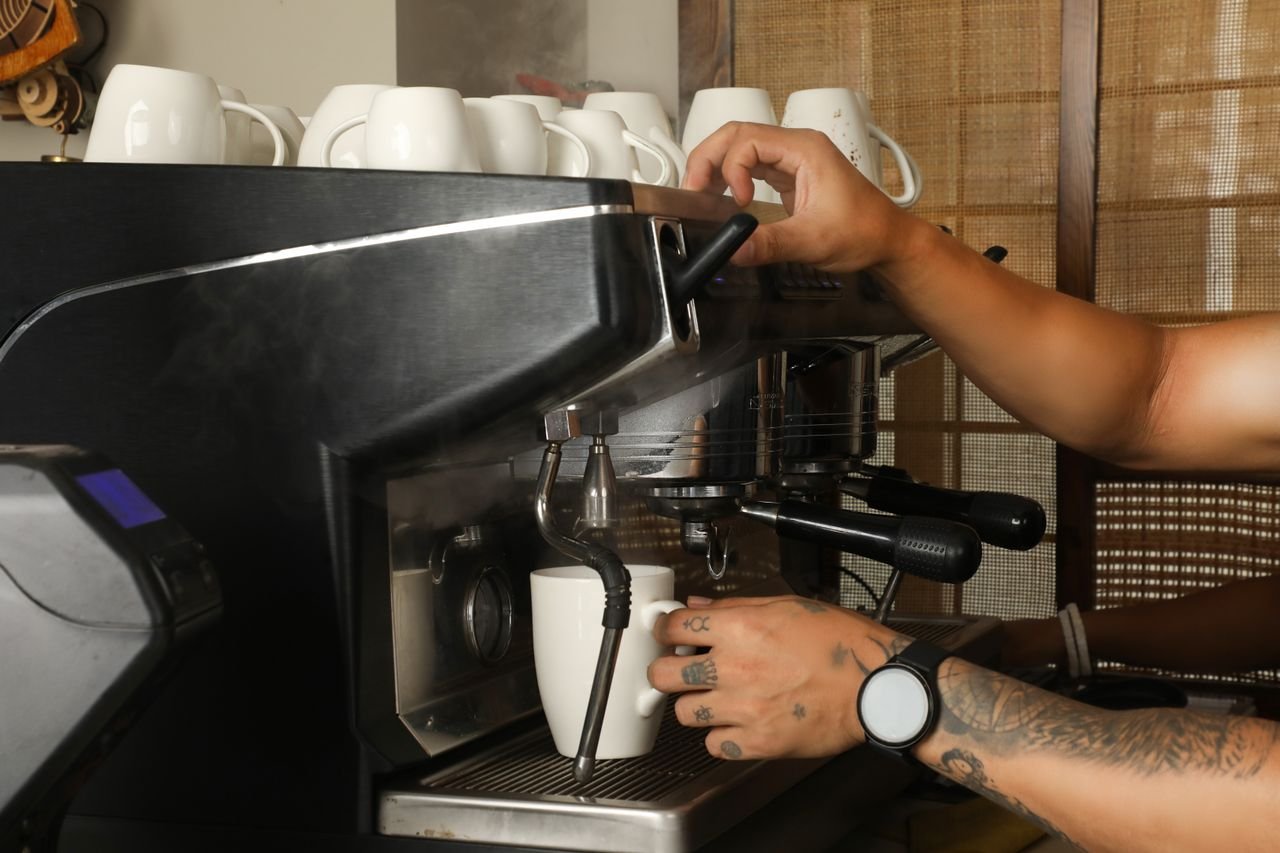
Semi automatic espresso machines put control back with the operator. Grinding, dosing and tamping are manual, which is what allows a barista to dial extraction against a specific bean. Rancilio, La Marzocco and Carimali cover most of this segment.
Beyond the espresso machine sit grinders, which matter more than most buyers expect, filter and batch brewers for high volume drip service, cold brew systems, and commercial blenders for the frappe and cold coffee side of a menu. A working cafe usually needs three or four of these, not one, and the grinder in particular deserves a real share of the budget, since grind consistency drives extraction more than any other single variable. Looking at the full range of commercial coffee machines available in India together, rather than shopping for an espresso machine in isolation, tends to produce a better costed project.
What it costs
Broad bands, current for 2026, and worth treating as starting points rather than quotations. Entry level units suited to small offices run roughly ₹30,000 to ₹80,000. Mid range machines for cafes and restaurants sit between ₹80,000 and ₹2.5 lakh. Specialty and high volume hospitality equipment starts around ₹2.5 lakh and runs past ₹10 lakh for multi group and super automatic configurations. Rental is a genuine alternative for offices and smaller outlets, typically from around ₹8,000 a month with consumables included.
Two conditions specific to India
Water hardness across most Indian cities will scale a boiler within months. Filtration or softening is not an upgrade, it is part of the installation, and skipping it is the most common cause of avoidable service calls.
Power is the other. Voltage fluctuation is hard on electronics, and single versus three phase requirements need confirming before installation rather than after the machine arrives. Where supply is unreliable, budget for stabilisation alongside the machine.
Service coverage decides the real cost
A machine with no local spares support is not cheap at any price. Before shortlisting, ask where the nearest trained engineer sits, whether spares for that specific model are held in country, and what a preventive maintenance contract covers. Downtime through a Saturday morning rush costs more than a year of AMC. Barista training belongs in the same budget, because equipment only performs as engineered if the person operating it knows what they are doing.
How to shortlist
Work in this order. Establish who will operate the machine, because that decides automatic versus semi automatic before anything else does. Then take your menu, since a milk heavy menu makes steam recovery more important than headline cups per hour. Then your realistic peak hour, not your daily average, which sets group count and boiler size. Only then start comparing models.
If that process points towards a barista led counter, comparing semi automatic coffee machines with your peak hour figure in hand is far more productive than filtering on price. If it points towards unattended service, the automatic bean to cup range is where to start.
India has enough choice now that the right machine almost certainly exists for your format and budget, with local service networks behind most of the major brands. The difficulty is no longer available. It is working through the options in an order that reflects how the machine will actually be used, rather than the order a price list presents them in.
READ ALSO: Adapting Food Service in Australia: Meeting Dietary Demands with Dessert Solutions