

A Complete Safety, Cost, and Decision Guide
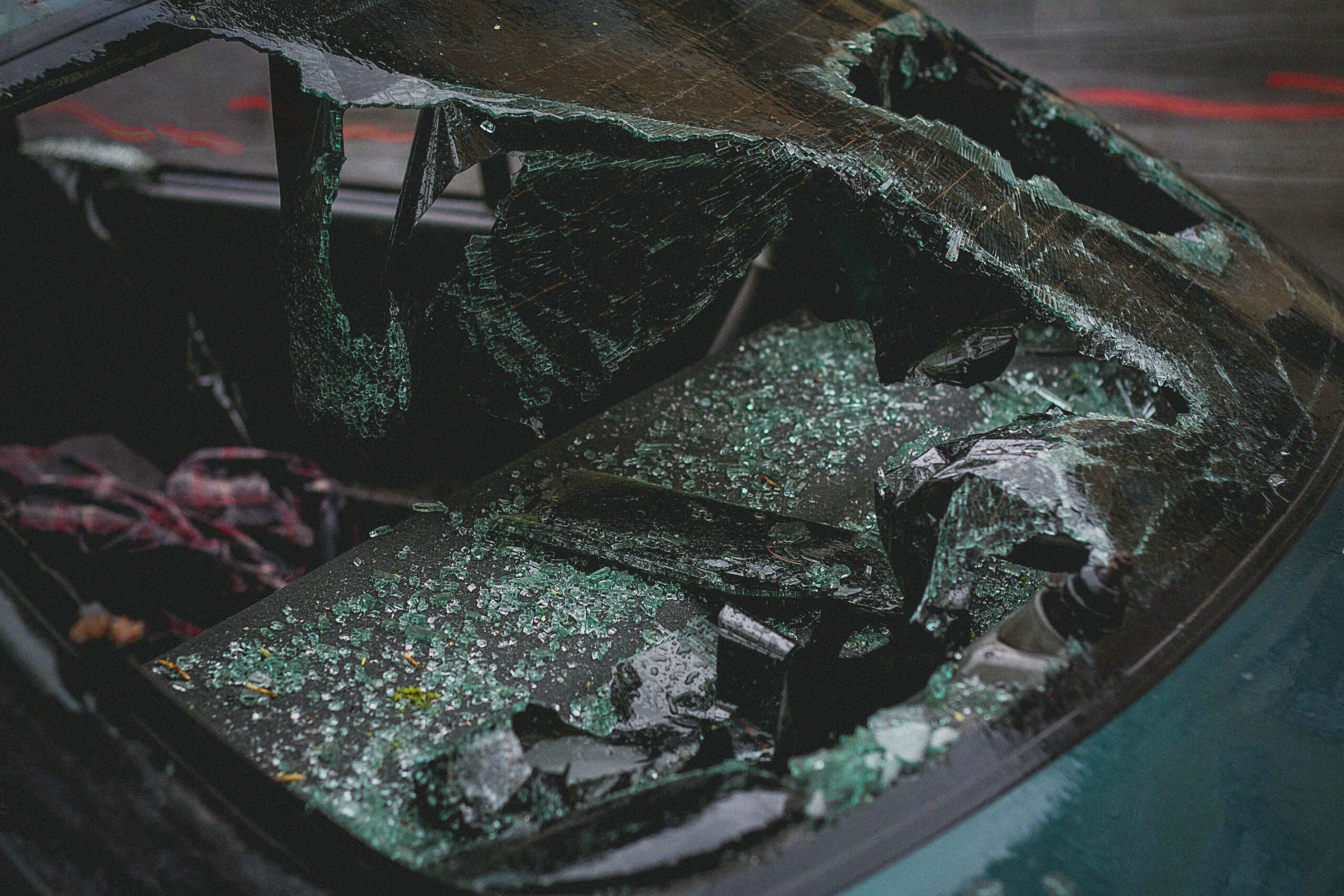
A cracked windshield often starts as a small inconvenience—a tiny chip from road debris or a thin crack from sudden temperature changes. Many drivers ignore it, assuming it’s harmless or purely cosmetic. In reality, windshield damage is a serious safety issue that can compromise your vehicle’s structural integrity, reduce visibility, and increase injury risk during an accident.
Modern windshields are engineered to do much more than block wind and rain. They play a key role in supporting the vehicle’s roof, ensuring airbags deploy correctly, and protecting occupants during collisions. That’s why deciding whether to repair or replace a cracked windshield isn’t just about cost—it’s about safety, durability, and long-term reliability.
This guide explains when windshield repair is enough, when replacement is necessary, and how to make the right decision based on damage type, cost, insurance, and vehicle technology.
Why Your Windshield Is a Critical Safety Component
Your windshield is a structural safety feature, not just a piece of glass. In a frontal collision, it supports up to 45% of your vehicle’s structural strength, helping prevent roof collapse. In rollovers, that number can increase to 60%, making the windshield essential for passenger survival.
Additionally, airbags rely on the windshield for proper deployment. When airbags inflate, they push against the glass to cushion occupants correctly. A cracked or weakened windshield may fail under this pressure, reducing airbag effectiveness and increasing injury risk. Even small cracks can compromise this system, making prompt action essential.
Understanding Different Types of Windshield Damage
Not all windshield damage is equal, and understanding the type of crack or chip is the first step in determining whether repair or replacement is the better option.
Rock chips are small impact points caused by stones or debris and are often repairable if addressed early. Bullseye cracks form a circular pattern and can typically be repaired if they are small and not in the driver’s line of sight. Star breaks have cracks radiating outward and may be repairable depending on size and spread.
Stress cracks, which start at the edge and spread across the windshield, usually require full replacement. Long cracks, especially those longer than six inches, almost always compromise structural integrity and should be replaced. The location, depth, and age of the damage all influence the decision.
When Windshield Repair Is the Better Option
Windshield repair is often the best solution when damage is minor and caught early. Repair involves injecting a specialized resin into the damaged area, restoring strength and preventing further spreading.
Repair is typically recommended when the damage is smaller than a quarter, shorter than 3–6 inches, and not in the driver’s direct line of sight. It must also be free of dirt and moisture. Fresh damage is much easier to repair effectively than older cracks that have expanded or collected contaminants.
One of the biggest advantages of repair is cost. Repairs are significantly cheaper than replacements and are often covered by insurance with no deductible. The process is fast—usually completed in under 30 minutes—and preserves the original factory seal of the windshield.
Limitations and Risks of Windshield Repair
While repairs are effective in many situations, they are not a universal solution. Repairs do not restore the windshield to 100% of its original strength. Although resin strengthens the damaged area, it remains weaker than untouched glass.
Repairs may also leave slight visual distortion, which can be distracting, especially in bright sunlight or at night. If the crack is in the driver’s field of vision, repair may not be legally acceptable or safe. Additionally, repaired areas can still fail under stress, especially in extreme weather conditions.
When safety, visibility, or structural integrity is uncertain, replacement is the safer choice.
When Windshield Replacement Is the Better Choice
Windshield replacement becomes necessary when damage compromises safety or cannot be reliably repaired. Any crack longer than six inches, damage reaching the edge of the windshield, or multiple cracks usually require full replacement.
Replacement is also recommended if the crack interferes with the driver’s visibility. Even small distortions can reduce reaction time and increase accident risk. For vehicles equipped with ADAS (Advanced Driver Assistance Systems), replacement is often mandatory to ensure proper sensor calibration and system accuracy.
A new windshield restores full structural integrity, eliminates visual defects, and ensures long-term reliability. While replacement costs more upfront, it prevents recurring issues and provides peace of mind.
Cost Comparison: Repair vs Windshield Replacement
Without insurance, windshield repair typically costs between $50 and $150, depending on the damage. Windshield replacement usually ranges from $200 to $500 or more, depending on vehicle type, glass quality, and additional features.
Luxury vehicles, heated glass, rain sensors, and ADAS calibration can significantly increase replacement costs. However, insurance often covers repairs fully and may also cover replacement under comprehensive coverage, especially in no-fault states like Michigan.
Understanding your insurance policy helps you avoid unnecessary expenses and choose the best option.
Legal and Safety Considerations
Driving with a cracked windshield can be illegal if it obstructs visibility. Many states allow police to issue citations for impaired vision or unsafe vehicle conditions. Even when legal, a cracked windshield increases safety risks and can cause a vehicle to fail inspection.
Beyond legal concerns, the real issue is safety. A compromised windshield increases the risk of injury during accidents and reduces overall vehicle protection. Prompt action protects both you and your passengers.
Modern Vehicles and ADAS Calibration
Modern vehicles rely heavily on cameras and sensors mounted to the windshield. These systems control lane assistance, collision warnings, adaptive cruise control, and emergency braking.
Even slight misalignment or distortion can cause these systems to malfunction. That’s why windshield replacement for newer vehicles often requires professional recalibration. Repair may not be sufficient for vehicles with advanced safety technology, making replacement the safer option.
Why Delaying Windshield Repair or Replacement Is a Mistake
Cracks spread over time due to temperature changes, vibration, and road conditions. What starts as a small chip can quickly turn into a long crack, eliminating the option of repair.
Delaying service increases costs, reduces safety, and may void insurance coverage options. Early inspection and action provide more flexibility and better outcomes.
Professional Evaluation: Why Expert Advice Matters
Auto glass repair professionals assess crack depth, length, location, contamination, and vehicle technology before recommending repair or replacement. Their expertise ensures safety standards are met and prevents unnecessary expenses.
Trusting a professional evaluation is always better than guessing or relying on DIY solutions.
Frequently Asked Questions (FAQs)
Can a repaired windshield crack again?
Yes. Repairs strengthen the glass but do not fully restore original strength. Stress or impact can cause cracks to reappear.
Is windshield replacement always safer?
For large cracks, edge damage, or vision obstruction, replacement is the safest option.
Does insurance usually cover repairs?
Most insurance policies fully cover windshield repairs and often cover replacement as well.
How long should I wait before fixing a crack?
You should act immediately. Delaying reduces repair options and increases risk.
Do all replacements require recalibration?
Vehicles with ADAS systems typically require recalibration after replacement.
Final Verdict: Repair or Replace?
Choose repair if the damage is small, fresh, and away from your line of sight.
Choose replacement if safety, visibility, or structural integrity is compromised.
When in doubt, prioritize safety over short-term savings.
Conclusion
A cracked windshield is never just a cosmetic issue—it’s a safety concern that demands attention. While repairs can be effective for minor damage, replacement is often the only option that fully restores protection, visibility, and structural strength.
The smartest decision is early professional inspection. Acting quickly gives you more options, lower costs, and greater peace of mind. When it comes to protecting lives on the road, the right windshield decision makes all the difference.