
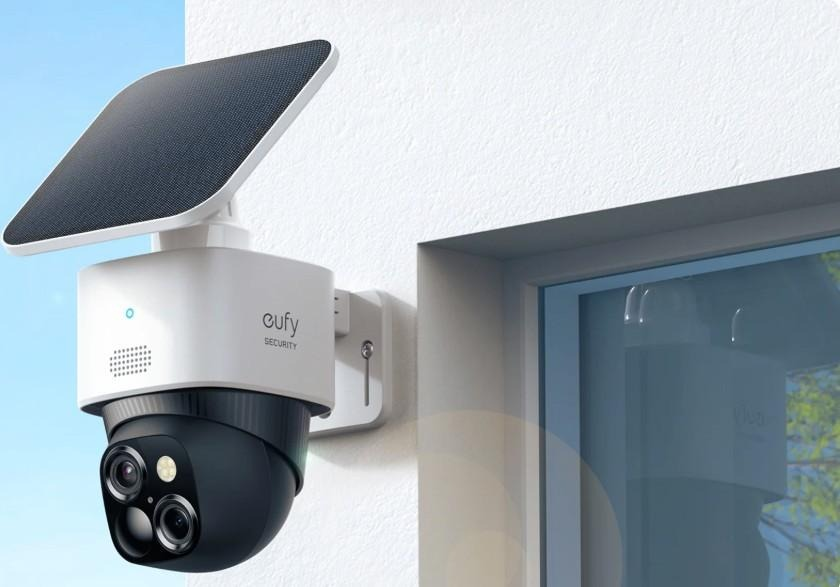
Wireless exterior security systems allow you to monitor entrances, driveways, yards, and sidewalks without using long wires. You install cameras or sensors, link them to Wi-Fi or a base station, and control everything using an app. Most systems provide motion alerts, broadcast live video, and save footage to the cloud or local memory. Because of their simple setup, they are an excellent choice for homeowners, renters, and small companies looking to improve their outside visibility. With the proper location and settings, you can detect problems early on, respond quickly, and keep a detailed record of what occurred when necessary.
How Wireless Outdoor Security Systems Work
A wireless outdoor security system employs cameras and sensors that connect over Wi-Fi, a hub, or cellular networks. The camera takes video, which is then compressed and sent to your phone for live viewing or storage for later replay. Many variants employ batteries, a plug-in power cable, or a solar panel, allowing them to be placed in areas where wiring is difficult to install. Motion sensors initiate recording and send warnings, reducing unnecessary footage. Some systems use smart detection on the device to recognize individuals, cars, or shipments. The app allows you to regulate zones, timetables, and sirens while also sharing access with family members.
Benefits of Wireless Outdoor Security Systems
Convenience and Easy Installation
Wireless solutions eliminate the most difficult aspect of outdoor security: routing cables through walls and around the perimeter. You can frequently install a camera with a few screws, link it to the app, and begin monitoring within minutes. That quickness is important when you need immediate coverage following a move, a local break-in, or a new delivery schedule. You can achieve cleaner results by avoiding exposed cables, which seem cluttered and attract manipulation. If you rent, wireless installation allows you to avoid extensive drilling. When you need to change the camera angle, merely remount it and update the view.
Scalability and Flexibility
Wireless outdoor security systems grow with your needs. You can start with one camera at the front door, then add more outdoor security cameras for the driveway, backyard, or garage when your budget allows. Many companies allow you to combine multiple devices, such as floodlight cameras, doorbell cameras, and outside sensors, within one app. That adaptability comes in handy when your property changes, such as installing a shed, parking a trailer, or vegetation that blocks a view. You may also relocate cameras as issue areas change. If motion alerts become too loud, you may relocate the camera, tighten the zones, or add a second camera to cover blind spots.
Enhanced Security Features
Modern wireless systems have sophisticated features that make outside surveillance more effective. Motion detection can trigger quick warnings, a spotlight, a siren, or two-way communication to warn someone away. Night vision allows you to catch faces and activities after dark, when most events occur. Some systems include human or vehicle detection to prevent false alarms from pets, shadows, or trees. Many programs allow you to create activity zones, where the camera monitors the gate but ignores the street. Encryption and account restrictions are particularly important since the system transfers data across networks. Better features lead to fewer missed events and faster replies.
Key Factors to Consider Before Choosing a Wireless Outdoor Security System
Coverage Area and Range
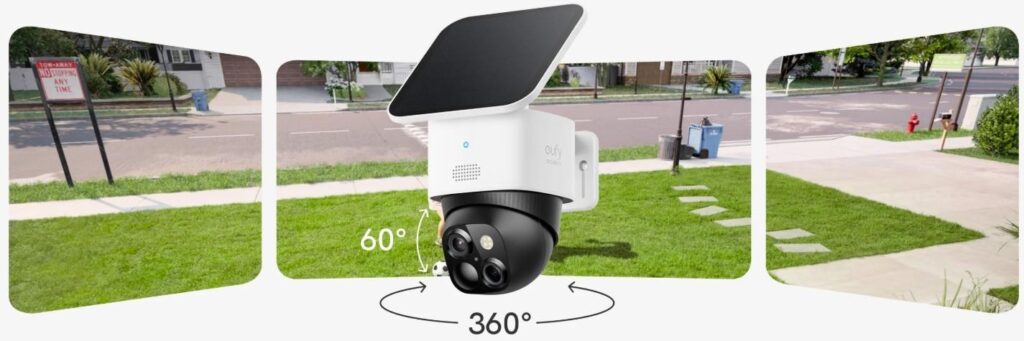
Begin by charting the outside places you’ll need to see, such as entrance doors, driveways, gates, and ground-level windows. Then, align each place with a camera’s field of vision and the system’s wireless range. A wide-angle lens covers a larger area, yet it might make faces appear smaller at a distance. If you require detail at the far end of a driveway, select a higher resolution and position the camera closer to the target area. Wi-Fi strength is equally as important as camera specifications. Thick walls, masonry, metal cladding, and distance can all reduce signal strength. A hub-based system or a mesh router can increase stability and minimize dropouts.
Weather Resistance and Durability
Outdoor gear must withstand rain, wind, heat, and cold without fail. Look for a high weather rating, durable housing, and sealed ports to keep moisture out. A robust mount is also important since vibration can distort footage and produce misleading motion alerts. If you live in a location with a lot of sun, consider hardware that can withstand UV damage and heat. In cold locations, battery performance might suffer; thus, a plug-in option or solar power may be preferable. Also, pay attention to positioning. Under an eave, you can reduce direct rain and glare. Finally, consider tamper resistance. Mount cameras high enough to dissuade snatching but low enough to keep faces visible.
Subscription Costs and Maintenance
Wireless devices sometimes work without a subscription, but many manufacturers require a plan to access certain functions. Cloud storage, smart person identification, rich alerts, and prolonged clip history may incur monthly fees. Before you buy, compare plans and consider whether local storage is right for you. Maintenance may be easy, but it is real. Following a storm or pollen season, battery cameras must be charged, solar panels cleaned, and lenses wiped. You should also upgrade your firmware to address security vulnerabilities and enhance performance. Test alerts and playback every several weeks, rather than just after an incident. A system that appears to be inexpensive at first glance may end up costing more in the long run due to subscriptions and replacements.
Conclusion
Wireless outdoor security systems offer speedier installation, more flexible placement, and smart features to help you safeguard your property. They are especially useful where running wires would be costly or unattractive. The best outcomes come from customizing the system to your space rather than pursuing the biggest feature list. Plan your coverage, check your Wi-Fi signal quality, and select weather-resistant hardware. If you choose modest recurring expenditures, prioritize local storage and robust core functionalities. If you prefer convenience, a cloud subscription may be right for you. Once installed, use it like any other safety tool: keep it clean, charged, updated, and aimed in the appropriate locations.

Jared H. Furness is a well-known sports analyst and writer. He is known for his skill in player stats in sports like football, basketball, and baseball. Jared has a sharp eye for detail and a passion for uncovering stories behind the numbers. He is known for writing detailed, SEO-friendly articles. They attract both fans and professionals.
His work often appears on major platforms. It offers detailed breakdowns of player performances, game highlights, and strategic insights. Jared makes complex statistics easy to understand and engaging. His articles, like the Boston College Eagles vs. UVA game analysis and the Arizona Diamondbacks vs. Miami Marlins match, show his talent for mixing data analysis with engaging stories.
Jared is known for producing human-written, plagiarism-free content. His pieces rank well on Google. This helps fans and analysts easily find his expert views on key matchups. Jared H. Furness raises the bar in sports stats journalism. He highlights Bobby Witt Jr.’s amazing plays and key moments in EuroLeague basketball.