Image from Unsplash
Dessert used to be treated as something separate from “healthy eating,” reserved for special occasions or framed as a guilty indulgence. That mindset is changing. More people are rethinking how sweets fit into their daily routines, not as a reward or a cheat, but as a normal part of balanced eating. This shift is closely tied to broader changes in how people approach food, including flexible approaches that focus on sustainability rather than restriction. It’s why ideas often associated with a ninja creami chocolate ice cream recipe feel relevant beyond the dessert itself, reflecting a wider move toward enjoying treats in a more intentional, everyday way.
Healthier desserts aren’t about removing pleasure. They’re about redefining it so enjoyment and nutrition can coexist without tension.
The End of the “All or Nothing” Dessert Mentality
For a long time, desserts were placed firmly in the “bad food” category. This created a pattern where people avoided sweets for as long as possible, only to overindulge later when cravings became too strong. That cycle of restriction and compensation is now widely recognized as unsustainable.
As nutrition conversations evolve, there’s a growing understanding that labeling foods as forbidden often increases their emotional pull. When desserts are normalized rather than demonized, people tend to enjoy them more moderately. Healthier dessert options support this shift by making sweets feel like a regular part of life instead of something to be earned or feared.
This change in mindset is one of the biggest reasons desserts are becoming more integrated into everyday eating.
Ingredient Awareness Is Driving Better Choices
Another key factor behind this trend is greater awareness of ingredients. Many people still enjoy dessert, but they’re less comfortable with highly processed options that rely heavily on refined sugars, artificial flavors, and long ingredient lists. Healthier desserts often prioritize simpler, more recognizable ingredients, which gives people a greater sense of control over what they’re eating.
When desserts are made with intention, they tend to feel more satisfying. People know what went into them and why, which reduces guilt and uncertainty. This awareness doesn’t require perfection, but it does encourage more thoughtful choices that align with long-term health goals.
Ingredient transparency has made it easier for desserts to fit naturally into daily routines rather than standing apart from them.
Balance Matters More Than Elimination
Modern nutrition places far more emphasis on balance than elimination. Instead of asking which foods must be cut out, people are asking how foods fit together across the day or week. Desserts, when approached with balance in mind, no longer disrupt healthy eating patterns.
Healthier desserts often include elements that support satiety, such as protein, fiber, or healthy fats. These additions help desserts feel more complete rather than purely indulgent. As a result, they can be enjoyed without triggering the urge to keep eating past satisfaction.
This balanced approach allows desserts to exist alongside nutrient-dense meals rather than in opposition to them.
Enjoyment Supports Consistency
Consistency is one of the most overlooked factors in long-term healthy eating. Plans that remove all enjoyment tend to work only briefly before burnout sets in. Desserts that fit into everyday eating help solve this problem by making healthy routines more enjoyable.
When people know they can include foods they genuinely like, they’re more likely to stick with their overall approach. Desserts stop being a source of stress and become just another choice within a flexible framework. This makes healthy eating feel realistic rather than demanding.
Research and guidance shared by Harvard Health Publishing frequently emphasize that sustainable eating patterns are those people can maintain over time, not those that rely on constant restraint. Enjoyment plays a crucial role in that sustainability.
The Role of Homemade and Customizable Options

Image from Unsplash
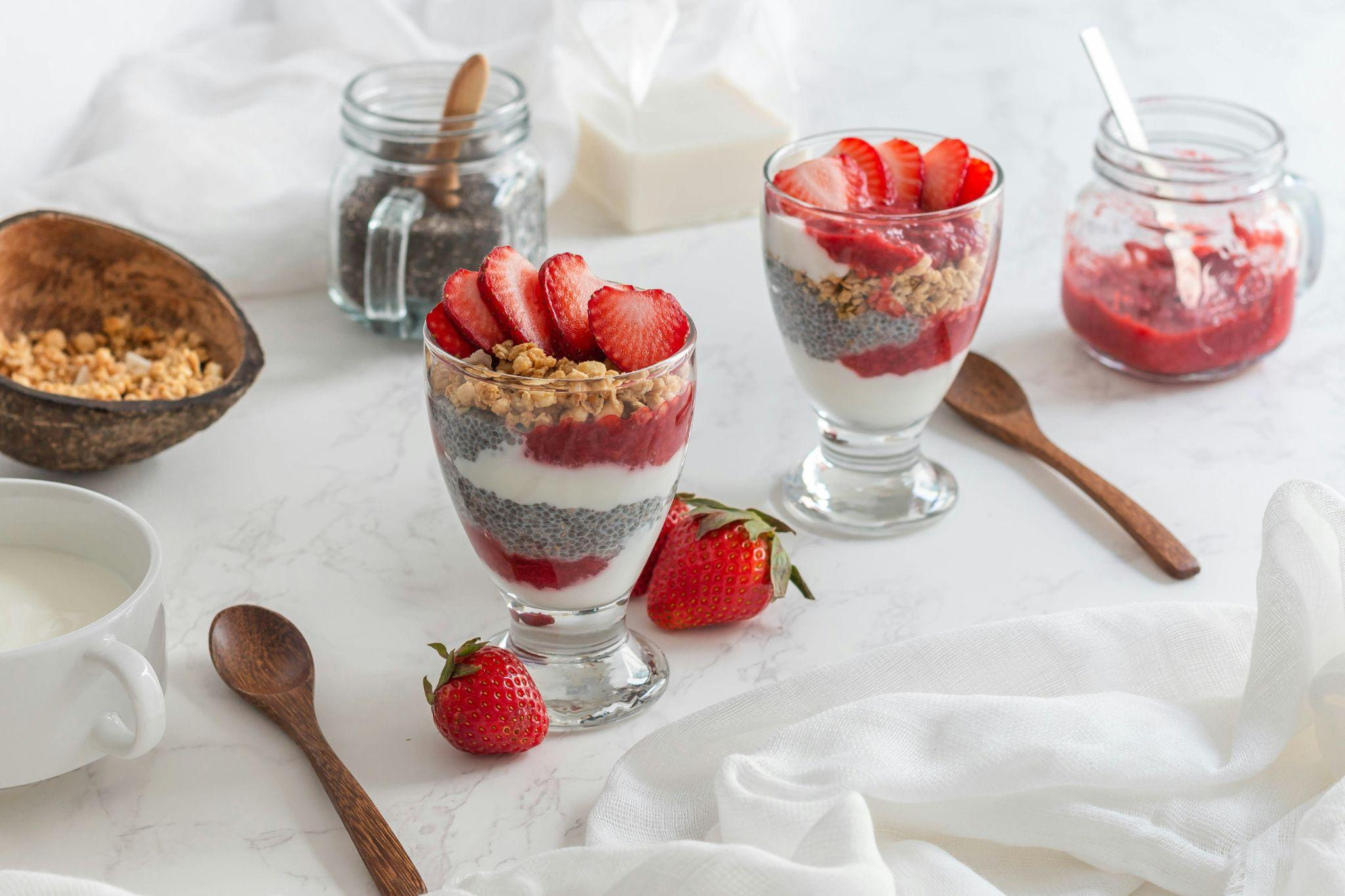
The rise of healthier desserts is also closely connected to the popularity of homemade and customizable options. Making desserts at home allows people to adjust sweetness levels, portion sizes, and ingredients to suit their preferences. This customization helps desserts feel personal rather than excessive.
Homemade desserts also slow the eating process. Preparing food encourages mindfulness, which often leads to greater satisfaction from smaller portions. This contrasts with store-bought desserts that are designed for convenience and rapid consumption.
As tools and techniques for making desserts at home become more accessible, healthier options are no longer limited to special occasions. They’re easy enough to include regularly, which further normalizes their place in everyday eating.
Redefining What “Healthy” Means
Part of this shift comes from a broader redefinition of health itself. Health is no longer seen purely as the absence of certain foods or nutrients. It’s increasingly defined by energy levels, mental well-being, relationship with food, and overall quality of life.
Within this framework, desserts don’t automatically conflict with health goals. In fact, allowing room for enjoyment can improve mental well-being and reduce stress around food choices. Healthier desserts align with this holistic view by supporting both physical nourishment and emotional satisfaction.
This more inclusive definition of health has opened the door for desserts to be part of everyday routines without contradiction.
Social and Cultural Influences
Food is deeply social, and desserts often play a central role in shared experiences. Completely avoiding sweets can make social situations awkward or isolating. Healthier dessert options help bridge the gap between personal goals and social enjoyment.
When desserts are viewed as flexible and adaptable, people feel more comfortable participating in social meals without anxiety. This social compatibility is a major reason healthier desserts are gaining traction. They support connection rather than creating conflict between health and relationships.
Over time, this makes healthy eating feel more integrated into real life rather than something that exists outside of it.
Healthier desserts are becoming part of everyday eating because they align with how people actually live. They offer enjoyment without excess, flexibility without chaos, and balance without rigidity. Rather than standing apart from healthy eating, desserts are being reimagined as one element of a sustainable lifestyle.
This trend isn’t about turning every sweet into a nutritional powerhouse or removing pleasure from food. It’s about creating space for enjoyment that supports long-term consistency. As more people embrace balance over restriction, healthier desserts are likely to remain a natural and welcome part of daily eating habits.

Jared H. Furness is a well-known sports analyst and writer. He is known for his skill in player stats in sports like football, basketball, and baseball. Jared has a sharp eye for detail and a passion for uncovering stories behind the numbers. He is known for writing detailed, SEO-friendly articles. They attract both fans and professionals.
His work often appears on major platforms. It offers detailed breakdowns of player performances, game highlights, and strategic insights. Jared makes complex statistics easy to understand and engaging. His articles, like the Boston College Eagles vs. UVA game analysis and the Arizona Diamondbacks vs. Miami Marlins match, show his talent for mixing data analysis with engaging stories.
Jared is known for producing human-written, plagiarism-free content. His pieces rank well on Google. This helps fans and analysts easily find his expert views on key matchups. Jared H. Furness raises the bar in sports stats journalism. He highlights Bobby Witt Jr.’s amazing plays and key moments in EuroLeague basketball.