
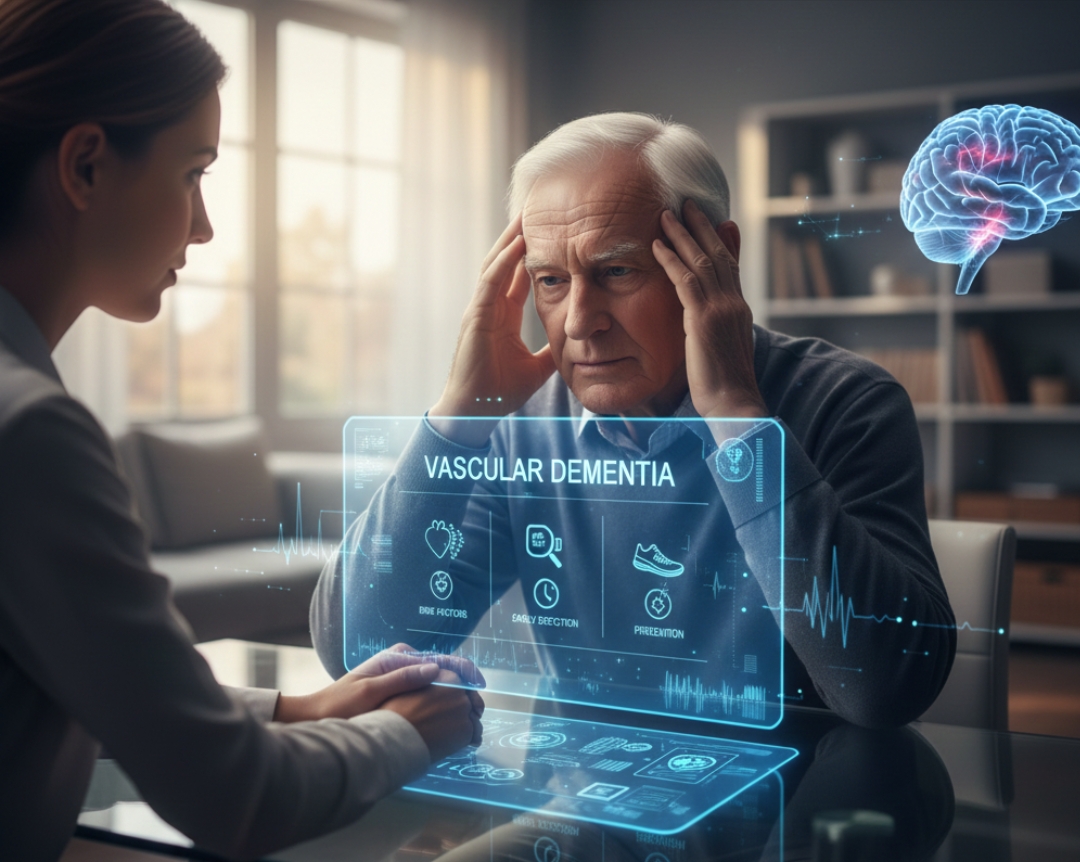
Vascular dementia is the second most common form of dementia after Alzheimer’s disease, accounting for approximately 15-20% of all dementia cases. Unlike Alzheimer’s, which primarily involves protein deposits in the brain, vascular dementia results from reduced blood flow to brain tissue, causing cognitive decline through a series of small or large strokes.
Pathophysiology and Types
Vascular dementia encompasses several subtypes, each with distinct mechanisms of brain injury. Multi-infarct dementia occurs when multiple small strokes accumulate over time, while single-stroke dementia follows a major cerebrovascular event. Subcortical vascular dementia, also called Binswanger’s disease, involves damage to the brain’s white matter from chronic small vessel disease.
The common pathway in all forms involves inadequate cerebral perfusion. When brain tissue receives insufficient oxygen and nutrients, neurons die, creating areas of infarction or ischemia. The location and extent of damage determine the specific cognitive and functional deficits that emerge.
Risk Factors and Epidemiology
Vascular dementia shares risk factors with cardiovascular and cerebrovascular disease. Hypertension stands as the most significant modifiable risk factor, with chronic elevation damaging small vessels throughout the brain. Diabetes mellitus contributes through both microvascular and macrovascular complications. Hyperlipidemia accelerates atherosclerosis in cerebral arteries, while smoking damages endothelial function and increases clotting tendency.
“The relationship between vascular risk factors and cognitive decline is dose-dependent and cumulative,” explains Dr. Rab Nawaz Khan, Consultant Stroke Medicine at MyMSTeam. “Each poorly controlled risk factor compounds the others, which is why comprehensive cardiovascular prevention is fundamental to reducing dementia risk. We now understand that midlife hypertension control, in particular, significantly reduces late-life dementia incidence.”
Atrial fibrillation increases stroke risk five-fold through cardioembolic mechanisms. Previous stroke or transient ischemic attack dramatically elevates subsequent dementia risk. Age remains the strongest non-modifiable risk factor, with incidence doubling approximately every five years after age 65.
Clinical Presentation and Diagnosis
Vascular dementia presents differently than Alzheimer’s disease, though overlap exists. The onset is often sudden or stepwise, coinciding with vascular events, rather than the gradual decline typical of neurodegenerative dementia. Cognitive deficits may fluctuate rather than showing steady progression.
Executive dysfunction—difficulty with planning, organization, and complex tasks—often predominates early. Processing speed slows markedly. Attention and concentration suffer. Memory impairment, while present, may be less severe initially than in Alzheimer’s disease. Physical examination frequently reveals focal neurological signs reflecting prior strokes.
Neuroimaging plays a crucial diagnostic role. CT or MRI demonstrates multiple infarcts, extensive white matter changes, or strategic single infarcts in cognitive regions. The Hachinski Ischemic Score helps differentiate vascular from degenerative dementia based on clinical features.
Diagnosis requires cognitive impairment documented through neuropsychological testing, imaging evidence of cerebrovascular disease, and a temporal relationship between the two. Excluding other dementia causes remains essential, as mixed pathology—particularly Alzheimer’s disease with vascular contributions—is common.
Early Warning Signs
Recognizing early indicators allows timely intervention. Subtle executive dysfunction may manifest as difficulty managing finances, organizing medications, or planning meals. Slowed thinking and response times become apparent in conversation or while driving. Gait disturbances, including shuffling or unsteadiness, often appear early.
Emotional changes deserve attention. Depression affects up to 40% of vascular dementia patients and may precede obvious cognitive decline. Emotional lability—inappropriate laughing or crying—suggests frontal-subcortical circuit involvement. Apathy and reduced motivation commonly emerge early.
Urinary urgency or incontinence may develop from white matter damage affecting bladder control pathways. These symptoms, combined with cognitive and gait changes, form Hakim’s triad, which also characterizes normal pressure hydrocephalus—an important diagnostic consideration.
Prevention Strategies
Prevention focuses on vascular risk factor modification. Blood pressure control stands paramount, with target blood pressure below 140/90 mmHg for most individuals, and potentially lower for those at high risk. Antihypertensive therapy significantly reduces both stroke and dementia incidence in multiple large trials.
Diabetes management requires maintaining glycated hemoglobin below 7% for most patients, achieved through medication, diet, and exercise. Tight glycemic control reduces microvascular complications affecting the brain.
Lipid management with statins demonstrates benefit in primary and secondary stroke prevention. The anti-inflammatory effects of statins may provide additional neuroprotective effects beyond lipid reduction.
Smoking cessation is imperative. Within two years of quitting, stroke risk drops substantially, approaching that of never-smokers within five years.
Abdullah Boulad, Founder and CEO of The Balance Rehab Clinic, emphasizes lifestyle integration: “Prevention isn’t about isolated interventions—it requires sustainable lifestyle changes. We work with clients to create comprehensive wellness plans addressing diet, exercise, stress, and sleep as interconnected elements. When patients understand how their daily choices affect long-term brain health, compliance improves dramatically.”
Antiplatelet therapy benefits those with prior stroke or TIA. Aspirin or clopidogrel reduces recurrent events and subsequent dementia. Anticoagulation is essential for patients with atrial fibrillation, reducing stroke risk by approximately 65%.
Lifestyle Modifications
Physical activity provides robust protection against cognitive decline. Aerobic exercise improves cerebral blood flow, promotes neuroplasticity, and reduces vascular risk factors. Current guidelines recommend 150 minutes of moderate-intensity activity weekly, though any increase from sedentary baseline provides benefit.
The Mediterranean diet consistently demonstrates cognitive protection in observational and interventional studies. Rich in fruits, vegetables, whole grains, legumes, nuts, olive oil, and fish, while limited in red meat and processed foods, this pattern addresses multiple vascular risk factors simultaneously.
Cognitive engagement through intellectually stimulating activities builds cognitive reserve. Formal education, occupational complexity, and leisure activities involving mental challenge all associate with reduced dementia risk.
Social interaction protects against cognitive decline through multiple mechanisms including mental stimulation, emotional support, and behavioral reinforcement of healthy habits. Maintaining active social networks should be considered a preventive intervention.
Treatment Approaches
No medications currently approved specifically for vascular dementia demonstrate strong efficacy. Cholinesterase inhibitors and memantine, approved for Alzheimer’s disease, show modest benefit in some vascular dementia patients, particularly those with mixed pathology.
The primary therapeutic focus remains preventing progression through aggressive vascular risk factor management. This includes optimizing blood pressure, glucose, and lipid control; antiplatelet or anticoagulant therapy as indicated; and lifestyle modification.
Rehabilitation services address functional impairments. Physical therapy improves mobility and reduces fall risk. Occupational therapy maintains independence through adaptive strategies and equipment. Speech therapy addresses communication deficits and swallowing difficulties.
Neuropsychiatric symptoms require targeted intervention. Depression responds to antidepressants, particularly SSRIs. Behavioral disturbances may necessitate non-pharmacological approaches first, with medications reserved for severe symptoms causing safety concerns or significant distress.
Prognosis and Disease Course
Vascular dementia prognosis varies considerably based on multiple factors. Disease severity at diagnosis, number and location of infarcts, ongoing vascular risk, and presence of mixed pathology all influence outcomes.
Median survival from diagnosis ranges from 3-5 years, though substantial variation exists. The stepwise progression pattern means periods of stability may alternate with acute declines following new vascular events. Aggressive prevention of recurrent strokes may stabilize or even slightly improve function in some cases.
Complications cause significant morbidity and mortality. Pneumonia, often aspiration-related, frequently precipitates terminal decline. Urinary infections, pressure ulcers, and falls with injury occur commonly. Recurrent strokes accelerate both cognitive and functional deterioration.
Caregiver Considerations
Caregiving for vascular dementia patients presents unique challenges. The fluctuating course creates uncertainty about prognosis and planning. Physical care needs often exceed cognitive impairment severity due to mobility problems and stroke-related deficits.
Behavioral and psychological symptoms strain caregivers significantly. Depression, agitation, and personality changes require patience and adaptive coping strategies. Caregiver education about disease course, behavioral management techniques, and available resources reduces burden and improves patient outcomes.
Respite care, support groups, and counseling help maintain caregiver health and sustainability. Caregiver wellbeing directly impacts patient quality of life and may delay institutionalization.
Research Directions
Current research investigates multiple promising avenues. Intensive blood pressure reduction trials examine whether targets below standard recommendations provide additional cognitive protection. Studies of cerebral small vessel disease mechanisms may identify novel therapeutic targets.
Neuroimaging advances enable earlier detection of white matter changes and subtle perfusion deficits. These tools may identify at-risk individuals before overt symptoms develop, creating opportunities for earlier intervention.
Combination approaches addressing multiple vascular risk factors simultaneously show promise. Multidomain interventions including diet, exercise, cognitive training, and vascular risk management demonstrate cognitive benefits in some high-risk populations.
Clinical Practice Implications
Clinicians should maintain high suspicion for vascular cognitive impairment in patients with vascular risk factors or stroke history. Cognitive screening using validated tools should occur regularly in at-risk populations.
Aggressive, sustained risk factor management constitutes the cornerstone of both prevention and treatment. This requires patient education, regular monitoring, medication optimization, and addressing barriers to adherence.
Multidisciplinary care improves outcomes. Neurologists, geriatricians, primary care physicians, neuropsychologists, therapists, and social workers each contribute essential expertise to comprehensive management.
Conclusion
Vascular dementia represents a largely preventable form of cognitive decline through modification of cardiovascular risk factors. The same interventions protecting heart and brain vessels—blood pressure control, diabetes management, smoking cessation, healthy diet, and regular exercise—significantly reduce dementia risk.
Early recognition enables timely intervention to prevent progression. While no cure exists, preventing recurrent vascular events may stabilize or slow decline. As our understanding of vascular contributions to cognitive impairment grows, so too do opportunities for effective prevention and treatment.
The burden of vascular dementia on individuals, families, and healthcare systems mandates prioritizing prevention through midlife vascular risk factor control. Given the modifiable nature of most risk factors, substantial reduction in vascular dementia incidence remains an achievable public health goal.