
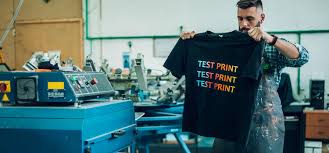
T-shirt printing has become a popular method for customizing apparel, whether for personal use, events, or businesses. With so many different printing techniques available, it can be overwhelming to choose the right one for your needs. Each method has its own strengths and limitations, and understanding them is crucial for producing high-quality, cost-effective designs. In this article, we’ll break down the most common t-shirt printing techniques, helping you make an informed decision.
1. Screen Printing
Screen printing is one of the oldest and most widely used t-shirt printing techniques. The process involves creating a stencil (or screen) for each color in the design and using that stencil to apply ink onto the fabric.
Pros of Screen Printing: Screen printing is known for its durability and vibrant colors. It is especially effective for larger orders because once the screens are created, printing each shirt becomes relatively quick and cost-effective. If you have a simple design with solid colors, screen printing is a great choice.
Cons of Screen Printing: While it’s ideal for large runs, screen printing may not be the best choice for small batches or intricate designs. Setting up the screens can be time-consuming and expensive, making it less cost-effective for smaller orders. Additionally, multi-color designs can become complicated and expensive due to the need for separate screens for each color.
Best For: Screen printing is perfect for bulk orders, simple designs, and when you need durability. It’s commonly used for custom t-shirts for events, sports teams, or promotional items.
2. Direct-to-Garment (DTG) Printing
Direct-to-Garment (DTG) printing uses inkjet technology to print designs directly onto fabric. This process works similarly to how a home printer prints on paper, but with specialized fabric inks.
Pros of DTG Printing: DTG printing offers high-quality results, even for complex designs with many colors. The process allows for intricate detailing, making it ideal for photo-realistic prints or designs with gradients. It also allows for on-demand printing, making it a great option for small batches or single shirts.
Cons of DTG Printing: One of the main drawbacks of DTG is its higher cost per unit. It’s also limited to fabrics like cotton, as the inks may not adhere well to synthetic materials. For larger orders, DTG printing might not be the most cost-efficient method compared to screen printing.
Best For: DTG printing is ideal for smaller runs, multi-colored designs, and when you need quick turnarounds with high-quality results. It’s particularly popular for custom apparel shops and artists offering one-off prints.
3. Heat Transfer Printing
Heat transfer printing is another common method for creating custom t-shirts. This process involves printing your design onto transfer paper and using heat to apply the design onto the fabric.
Pros of Heat Transfer Printing: Heat transfer printing is flexible and easy to set up, especially for small batches or personalized shirts. It works well for complex designs, and it can be done using home printers with the right transfer paper. This method is perfect for custom designs like names, numbers, or full-color graphics.
Cons of Heat Transfer Printing: While it’s easy and versatile, heat transfer prints can be less durable than other methods. Over time, the print can crack or peel, especially after multiple washes. The feel of the print can also be thicker than other methods, which some people might find less comfortable.
Best For: Heat transfer printing is a good choice for small businesses or individuals who need quick, low-volume orders. It’s also useful for creating personalized items, such as family reunion shirts or custom gifts.
4. Sublimation Printing
Sublimation printing involves using heat to turn dye into gas, which then bonds with the fibers of the fabric. This method works best on synthetic fabrics, especially polyester.
Pros of Sublimation Printing: One of the biggest advantages of sublimation is that the print becomes part of the fabric, resulting in vibrant, long-lasting designs. Since the ink infuses into the fibers, it won’t peel, crack, or fade over time. Sublimation also allows for full-color, all-over prints, which is perfect for custom designs that cover the entire shirt.
Cons of Sublimation Printing: Sublimation is only effective on light-colored, polyester fabrics. It does not work well on cotton or other natural fibers. Additionally, sublimation can be a more expensive process, especially for full-color designs.
Best For: Sublimation is ideal for sportswear, all-over prints, and custom designs that need vibrant colors. It’s commonly used for creating high-quality polyester shirts or other fabric-based products like mugs or phone cases.
5. DTF Transfer (Direct-to-Film Printing)
DTF Transfer, or Direct-to-Film printing, has emerged as an effective solution for creating high-quality prints. This method involves printing your design onto a special film and then transferring it to fabric using heat.
Pros of DTF Transfer: DTF printing offers high-quality results and the ability to print on various fabrics, including cotton, polyester, and blends. It also allows for detailed designs with vibrant colors, similar to DTG printing. Another advantage is that it can be used on dark fabrics, which is often a challenge for other methods like sublimation.
Cons of DTF Transfer: DTF printing requires specialized equipment, which can be expensive. Additionally, while the prints are durable, the setup process and materials can add to the overall cost. However, the quality and versatility of this method make it worth considering for businesses looking for a more flexible option.
Best For: DTF printing is ideal for custom shops that want to print on a variety of fabric types, including dark fabrics. It’s also well-suited for businesses that want to produce high-quality, full-color prints on demand.
6. Vinyl Cutting
Vinyl cutting involves cutting out designs from colored vinyl sheets and then applying them to the fabric using heat.
Pros of Vinyl Cutting: Vinyl cutting produces sharp, clean designs with a high level of precision. It’s especially popular for text-based designs, logos, and numbers. The material is durable, and the finished product has a professional look.
Cons of Vinyl Cutting: Vinyl cutting is time-consuming, especially for more intricate designs. It also doesn’t work well for full-color prints or designs with gradients. The vinyl itself can be stiff and might not have the same soft feel as other printing methods.
Best For: Vinyl cutting is great for small runs of simple designs, such as sports jerseys, custom logos, or personalized names. It’s also a good method for businesses looking for high-quality, durable prints on a budget.
7. Choosing the Right Method for Your Needs
With so many t-shirt printing techniques available, choosing the right one depends on several factors: the type of design, the number of shirts you need, the fabric you’re using, and your budget.
- Screen Printing is ideal for large orders of simple designs.
- DTG is best for small runs with complex or colorful designs.
- Heat Transfer works well for personalized designs in small batches.
- Sublimation is great for full-color designs on polyester fabrics.
- DTF Transfer provides flexibility and high-quality prints on various fabrics, including dark shirts.
- Vinyl Cutting is perfect for small, simple designs with a professional finish.
Conclusion
Understanding the different t-shirt printing techniques is key to choosing the right method for your business or personal needs. Each method has its own advantages and limitations, so carefully consider your design, budget, and order size before making a decision. Whether you’re looking for vibrant full-color prints, durable designs, or personalized items, there’s a t-shirt printing technique that can help bring your vision to life. Take the time to explore these options and select the one that aligns best with your goals.

Jared H. Furness is a well-known sports analyst and writer. He is known for his skill in player stats in sports like football, basketball, and baseball. Jared has a sharp eye for detail and a passion for uncovering stories behind the numbers. He is known for writing detailed, SEO-friendly articles. They attract both fans and professionals.
His work often appears on major platforms. It offers detailed breakdowns of player performances, game highlights, and strategic insights. Jared makes complex statistics easy to understand and engaging. His articles, like the Boston College Eagles vs. UVA game analysis and the Arizona Diamondbacks vs. Miami Marlins match, show his talent for mixing data analysis with engaging stories.
Jared is known for producing human-written, plagiarism-free content. His pieces rank well on Google. This helps fans and analysts easily find his expert views on key matchups. Jared H. Furness raises the bar in sports stats journalism. He highlights Bobby Witt Jr.’s amazing plays and key moments in EuroLeague basketball.