

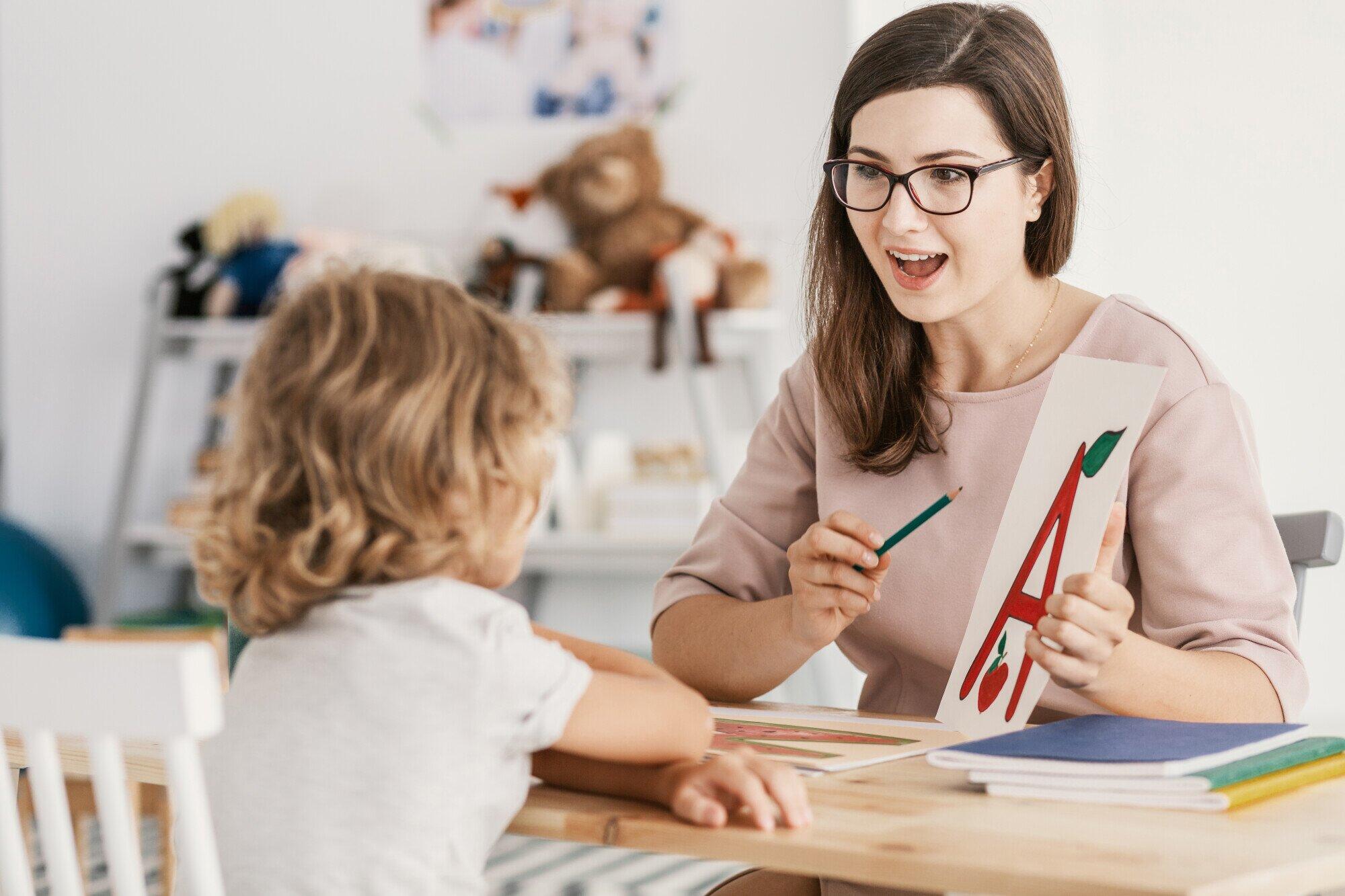
Reading makes life more fun. Laughing while reading is even better. Humorous stories help children grow in many ways.
They spark creativity and improve thinking. They also help children learn to manage their emotions.
When children hear a funny story, their brains stay awake. They connect new words to silly scenes. They remember ideas more easily.
But how exactly does humor help a child’s development? We will explore how reading funny tales builds language, social skills, and self-confidence.
Boosting Language Skills with Laughter
When children read humorous stories, their word power grows. Funny stories often use puns, rhymes, and playful language. These language twists help kids learn new vocabulary without feeling bored.
As they follow silly scenes or clever jokes, they understand context better. The brain links funny images to word meanings. This makes remembering words easier.
Over time, children speak more clearly and confidently. They learn how words fit together in creative ways. This helps both in schoolwork and in talking to friends.
Kids also practice reading longer sentences with ease. They learn how writers use humor to explain ideas. This improves their ability to read more complex books later.
Building Creative Thinking Through Humor
Humorous stories stretch a child’s imagination in wonderful ways. When kids read about unlikely events or quirky characters, they learn to think outside the box.
These strange or funny plots spark ideas of their own. They might imagine alternate endings or invent their own jokes. This kind of creativity builds flexibility in thinking.
Humor encourages children to explore “what if” questions. That helps them solve problems in new ways. Over time, creative thinking becomes a habit.
They can apply this creative thinking to art and school projects. Humor also helps them see that mistakes can lead to new ideas. This builds confidence in trying new things.
Strengthening Emotional Intelligence
Laughter in stories helps children understand feelings inside themselves. When characters in a story feel surprised, embarrassed, or joyful in funny ways, kids learn to sense similar emotions.
Humor gives a safe space for tricky feelings. It shows that making mistakes or being awkward is okay.
This strengthens a child’s self-awareness. It builds empathy because they see how others feel. Emotional intelligence grows when humor teaches children about real emotions softly.
They begin noticing emotions in real-life situations more easily. Humor makes big feelings feel less scary. Children become more comfortable talking about their own emotions.
Encouraging Social Bonding by Sharing Laughs
Reading funny stories together helps kids build stronger relationships. When family or friends laugh together, they feel closer.
Shared laughter becomes a special moment in story time. This bond-making supports trust and connection.
Humor becomes a common language. It creates positive interactions that are fun and genuine.
These shared moments make children feel understood and loved. Over time, reading becomes a way to connect.
Children also learn to take turns talking and listening. They enjoy discussing their favorite funny parts together. These small conversations strengthen friendships and communication.
Strengthening Cognitive Flexibility
Humor challenges children to shift their thinking in surprising ways. Understanding jokes or irony means they must reconsider what they expect. This mental flexibility builds problem-solving skills.
They learn to see things from different sides. When they read a punch-line twist, they practice switching ideas. That helps them become better at reasoning and thinking ahead.
Cognitive flexibility helps in school and daily life. They start noticing patterns in stories more quickly.
They also learn to predict possible outcomes in fun ways. This training supports memory and focus.
Building Resilience through Funny Tales
Funny stories teach kids how to bounce back from hard times. When characters in stories laugh at their own mistakes or absurd situations, children learn to cope.
Humor shows them that mistakes are not the end of the world. It gives them a way to face challenges lightly.
This resilience helps them face real problems in a positive way. They learn that even difficult times can be handled with a smile.
Humor helps them relax during stressful moments. It teaches them that it is okay to try again. Children feel braver when facing new or hard tasks.
Encouraging Love for Reading
Humorous books make reading feel like a game, not a chore. When a child giggles at a story, they want to read more. This joy builds a reading habit.
Over time, reading becomes something they choose for fun. Funny kids’ books become their treasure. This helps them read better because they practice without pressure.
A love for reading now helps them in school later on. They explore new genres once they enjoy reading.
Humor makes reading feel safe and exciting. This strong habit prepares them for harder subjects in school.
Learning Practical Lessons from Ironic Tales
Many ironic tales show that humor can teach real lessons. These stories are not just silly-they offer morals softly.
When a child reads a tale about a misunderstanding or a twist, they learn about honesty, kindness, or being careful. In those ironic plots, lessons are wrapped in laughter.
By reading funny kid stories, children absorb wisdom without feeling lectured. This makes learning values fun and memorable.
Kids can remember lessons better when they are tied to humor. They also learn to think before acting. The stories help them understand everyday choices more clearly.
Supporting Critical Thinking Through Humor
Humorous stories help children think more carefully about what they read. When a joke is told in a story, kids must notice clues to understand it. This teaches them to look closely at details.
They learn to compare what they expect with what actually happens. This helps them understand cause and effect.
Funny plots also make them ask questions about why something happened. They begin to spot hints and small ideas that lead to the ending. This improves reading comprehension.
Humor also encourages them to think about different solutions to problems. Children start forming their own opinions about characters and choices.
They learn to explain their thoughts clearly. These skills help them in schoolwork and daily decision-making.
Learn Why Humor Helps Children Grow Stronger
Humorous stories play a powerful role in helping children grow. They support language learning, build imagination, and strengthen emotional understanding.
Children develop resilience and enhanced social skills when they engage in laughter with others. Cognitive flexibility improves as they explore jokes, twists, and clever ideas.
Most importantly, funny stories help them love reading more each day. A child who laughs while reading learns faster and enjoys learning more.
Did you find this article helpful? If so, check out the rest of our site for more informative content.