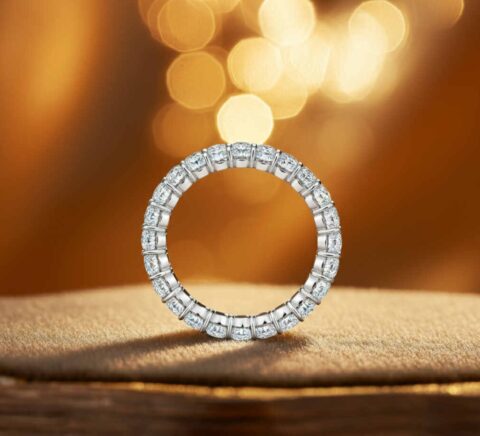

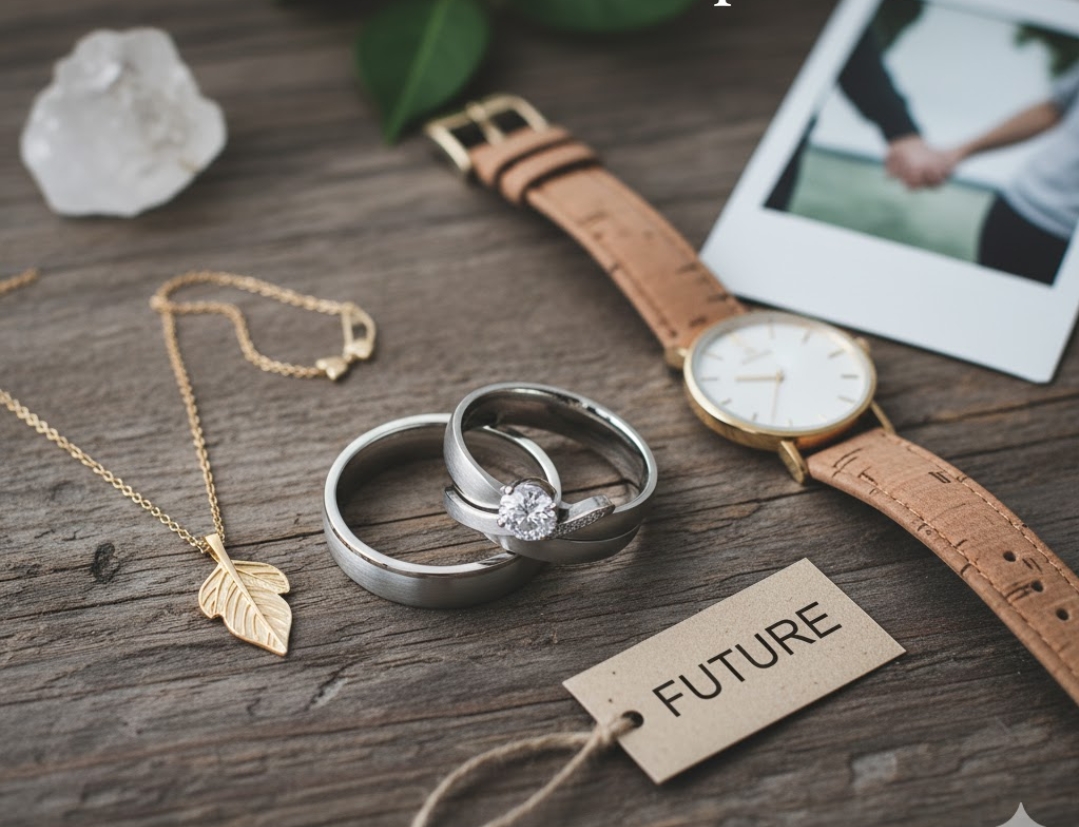
As sustainability becomes a key priority for many consumers, more couples are opting for engagement rings and wedding bands that align with their ethical and environmentally conscious values. This shift goes beyond aesthetic preference—it represents a desire to make meaningful, responsible choices that support the well-being of the planet. The rise of sustainable jewelry has introduced thoughtful alternatives that allow modern love stories to shine without compromise. For those exploring low-impact, beautifully crafted designs, collections of lab-created diamond rings—such as those found at https://gemaandco.com/collections/lab-diamond-engagement-rings—offer a compelling option. These pieces combine ethical sourcing with modern sophistication, allowing your jewelry to reflect not only your commitment to one another but also your commitment to the world you share.
Opting for responsible jewelry signals a thoughtful approach to celebrating major life milestones. From reducing environmental harm to honoring human rights, sustainable pieces provide peace of mind as well as sparkle. The movement encompasses a spectrum, including lab-grown diamonds, recycled precious metals, vintage finds, and pieces from certified, ethically sourced brands. As you weigh your choices, understanding the range of options empowers you to make an informed, lasting decision that aligns with your principles.
Modern couples have more options than ever, with designers and jewelers now routinely offering both transparency and customization. As the sustainable jewelry market expands, many brands are adopting ethical sourcing methods and greener production processes, helping to transform an industry historically plagued by environmental and social challenges. These shifts mark an exciting new chapter in the world of fine jewelry and personal adornment.
Opting for eco-conscious rings and accessories not only supports responsible practices but also contributes to a broader movement for change, encouraging further innovation and accountability in the jewelry sector. Brands committed to sustainability are also influencing major retailers and industry standards, making mindful choices easier for everyone.
Lab-Grown Diamonds
Lab-grown diamonds have gained significant traction among modern couples, providing a transparent and environmentally friendly choice for engagement rings and wedding bands. These diamonds are synthetically created under controlled laboratory conditions that mimic the natural growth process, making them physically, chemically, and optically identical to mined diamonds. The key difference is a much smaller environmental footprint and guaranteed conflict-free origins. As reported by The New York Times, the growth in popularity of lab-grown diamonds is also driven by their affordability, which typically costs 30-50% less than equivalent mined stones—making luxury more accessible while minimizing social and environmental costs.
Recycled Metals
Precious metals such as gold, silver, and platinum are highly durable, recyclable, and retain their value indefinitely. Choosing recycled metals for your jewelry ensures that no new environmental degradation occurs through mining, which can be especially damaging to ecosystems and communities. Reclaimed metals are melted down and refined to their purest forms, then crafted into stunning, brand-new pieces by skilled jewelers. Increasingly, brands are being transparent about their sourcing and production methods, offering options that directly appeal to environmentally conscious buyers.
Alternative Gemstones
While diamonds remain a classic choice, alternative gemstones like moissanite, sapphires, rubies, and emeralds offer sustainable and distinctive alternatives. Moissanite, in particular, is nearly as hard as a diamond and provides a stunning, bright appearance. Colored gemstones can often be traced to mines and sources with rigorous ethical standards, allowing couples to select stones that are both unique and socially responsible. Choosing non-traditional rocks is also a way for couples to express individuality and originality in their jewelry, creating signature pieces that stand out.
Vintage and Heirloom Jewelry
Embracing the charm of vintage or heirloom jewelry is one of the most sustainable choices available. By resetting or reworking family treasures—such as an inherited diamond or antique engagement ring—couples pay homage to their personal and familial history while reducing demand for new resources. Repurposing vintage pieces merges tradition with sustainability, yielding rings and jewelry that tell a deeply personal story. Many jewelers specialize in restyling vintage stones or bands, ensuring these cherished pieces find new life in a modern context.
Ethical Jewelry Brands
The jewelry landscape is evolving, and many brands now put ethical practices at the core of their business. Labelshave built their reputations on transparent sourcing, environmental responsibility, and social impact initiatives. Brilliant Earth, for example, offers a wide selection of responsibly sourced diamonds and recycled metals, providing detailed provenance for every piece. These brands empower shoppers to select jewelry that meets high ethical standards without compromising on quality or craftsmanship. The rise of such companies is helping to shift industry norms and make sustainability accessible—and desirable—to all consumers.
Customization and Personalization
No two love stories are the same, and customization allows couples to infuse their jewelry with authenticity and meaning. Many jewelers now offer bespoke design services, allowing buyers to select sustainable materials, alternative stones, or unique vintage elements. The result is a one-of-a-kind piece that tells your personal story, crafted with a conscious awareness of environmental and ethical considerations. Customization emphasizes individuality—a growing priority among millennials and Gen Z couples who want their jewelry to symbolize not only their relationship but also their worldview.
Certifications and Standards
Choosing jewelry with robust certifications is essential to ensuring ethical sourcing. Look for diamonds certified under the Kimberley Process, which aims to eliminate trade in conflict diamonds, or select gold certified “Fairmined” or as part of the Fair Trade Gold initiative. For gemstones, third-party standards and provenance documentation are increasingly available, empowering consumers with greater transparency. These certifications provide confidence that your purchase meets high ethical and environmental standards.
Making an Informed Choice
Ultimately, the journey toward sustainable jewelry is about striking a balance among design, sentiment, budget, and values. Prioritizing options like lab-grown diamonds, recycled precious metals, and ethical gemstones can help ensure that your decision reflects your desire for both beauty and social responsibility. Engaging with reputable jewelers who prioritize transparency and accountability means your jewelry won’t just look stunning—it will stand for something meaningful, too.
The shift toward sustainable jewelry is transforming how we mark life’s most important milestones. With thoughtful choices, modern couples can celebrate love while contributing to global efforts in environmental and social responsibility.
Disclaimer: This article is for general information only. We do not give financial, legal, or professional advice. All product names, brands, and links are for reference only. We are not responsible for any decisions you make based on this information. Please check details with the jewelry brands or sellers before buying.