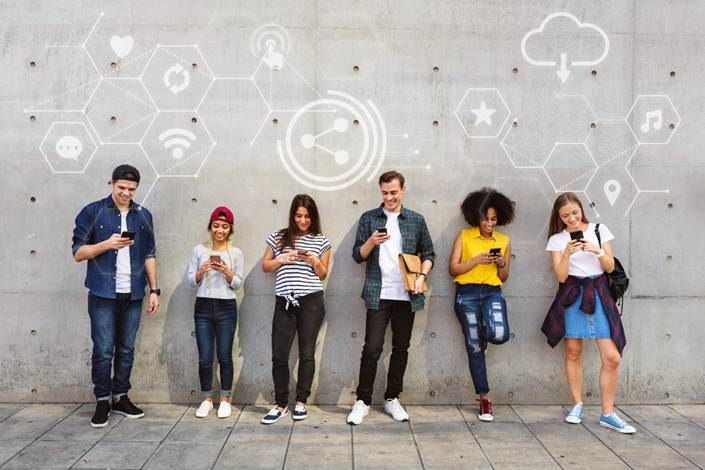
Image from Freepik
If the last decade taught us anything, it’s that the digital world evolves faster than most of us realize. New platforms appear overnight, algorithms reshape habits quietly, and niche online offerings, everything from curated learning platforms to something very specific like a coinpoker rakeback deal, show up in our feeds before we even know why they’re there. For years, many people scrolled and clicked automatically, responding more to the rhythm of the internet than to their own values or sense of purpose. But 2025 feels different. A quiet but significant change is happening: users are beginning to engage with technology intentionally instead of passively.
From Overload to Awareness
This shift didn’t begin suddenly. It emerged slowly as consumers started questioning why their devices seemed to control their decisions, from when to check notifications to what platforms they should spend time on. There was growing discomfort in realizing that algorithms could influence moods, choices, and even identity formation. That realization has turned into motivation. Instead of simply consuming whatever appears online, people now want control over what they allow into their digital space.
This rising awareness has led many to evaluate digital habits in a way that feels new compared to just a few years ago. The question is no longer “What’s online?” but rather “What deserves my attention?”
Fewer Apps, More Purpose
One of the clearest indicators of this cultural shift is digital minimalism. The average user once installed dozens of apps just out of curiosity, letting them sit unused. Now, there’s a preference for fewer platforms, but ones that serve personal goals. The idea is simple: if a platform doesn’t add value, improve life, or align with identity, it’s unnecessary.
Research from Pew Research Center highlights that digital behavior is increasingly shaped by the desire for autonomy and meaningful use rather than impulse consumption. Many users now strategically curate their online environments the way they curate physical spaces.
Taking Back Control of Consumption
Years ago, autoplay and algorithm-driven recommendations made it easy to drift through endless timelines or video queues without intention. But in 2025, more users are turning off autoplay, saving content to “watch later,” or intentionally choosing creators and media that reflect their interests.
Consumption stopped being a passive act; it became a decision. Instead of allowing platforms to choose what comes next, people are choosing for themselves.
The Redefinition of Relevance
Trends once dictated interest. Whatever was viral felt like something everyone should care about. But the digital landscape is becoming more personalized, and more private.
Rather than chasing popular content, people explore niche interests and join online communities aligned with their identity. They’re choosing depth over reach, substance over spectacle. It’s no longer about staying updated on everything, it’s about staying connected to what matters individually.
A Shift in Social Media Behavior
One of the most noticeable cultural changes is how users participate in social media. Performative posting, content meant for public validation, is declining. Many prefer close-group conversations, private communities, or topic-based spaces where discussion feels genuine rather than public-facing.
Connection is replacing performance.
Conversation is replacing broadcast.
Digital Wellbeing as a Standard
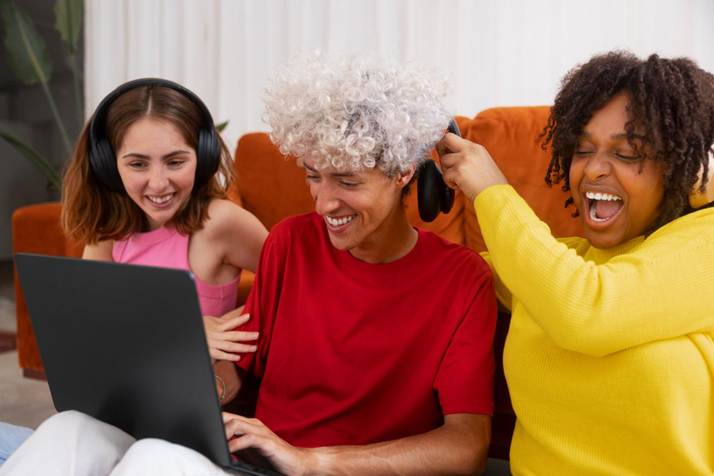
Image from Freepik
Screen-time tracking and notification control were once optional features. Now, they’re habits. People are increasingly aware of how online time affects mental health, stress, and attention. Scheduling online windows, muting notifications, and regularly disconnecting aren’t trends, they’re part of modern digital hygiene.
Intentional engagement doesn’t mean abandoning technology. Instead, it means using digital tools with awareness rather than impulse.
Technology as a Tool, Not a Default
One of the most encouraging signs of this new mindset is the rise of intentional creativity and learning online. Users aren’t only consuming content, they’re producing it. Whether it’s photography, writing, digital art, editing, or online education, the internet is becoming a place to build rather than just browse.
The question emerging now is not “What can I scroll?” but “What can I create?”
A Quiet Cultural Turning Point
This cultural movement isn’t led by companies or influencers. It’s user-driven. People are tired of endlessly reacting to notifications, recommendations, and trends. They want digital life that feels aligned with real life, not separate from it.
As we continue through 2025, intentional digital living may become the new norm. Instead of scrolling mindlessly, users are pausing. Instead of following every trend, they are choosing meaning over momentum.
For the first time in a long while, it feels like the balance of power is shifting, not toward technology, but toward the humans using it.
Dorothy I. Johnson is the heart and soul of Flash Flyer Blog’s writing team. Dorothy loves storytelling and finds the extraordinary in everyday life. She has a unique voice for sharing travel stories, tech trends, wellness tips, and food finds. Her relatable style makes complex ideas easy to grasp. She also turns simple moments into captivating stories. Dorothy’s background and curiosity inspire her to make content that connects with readers. They can find either practical tips or new viewpoints in her work. When she’s not writing, she likes to explore new places. She experiments in the kitchen or dives into a new personal growth book.