

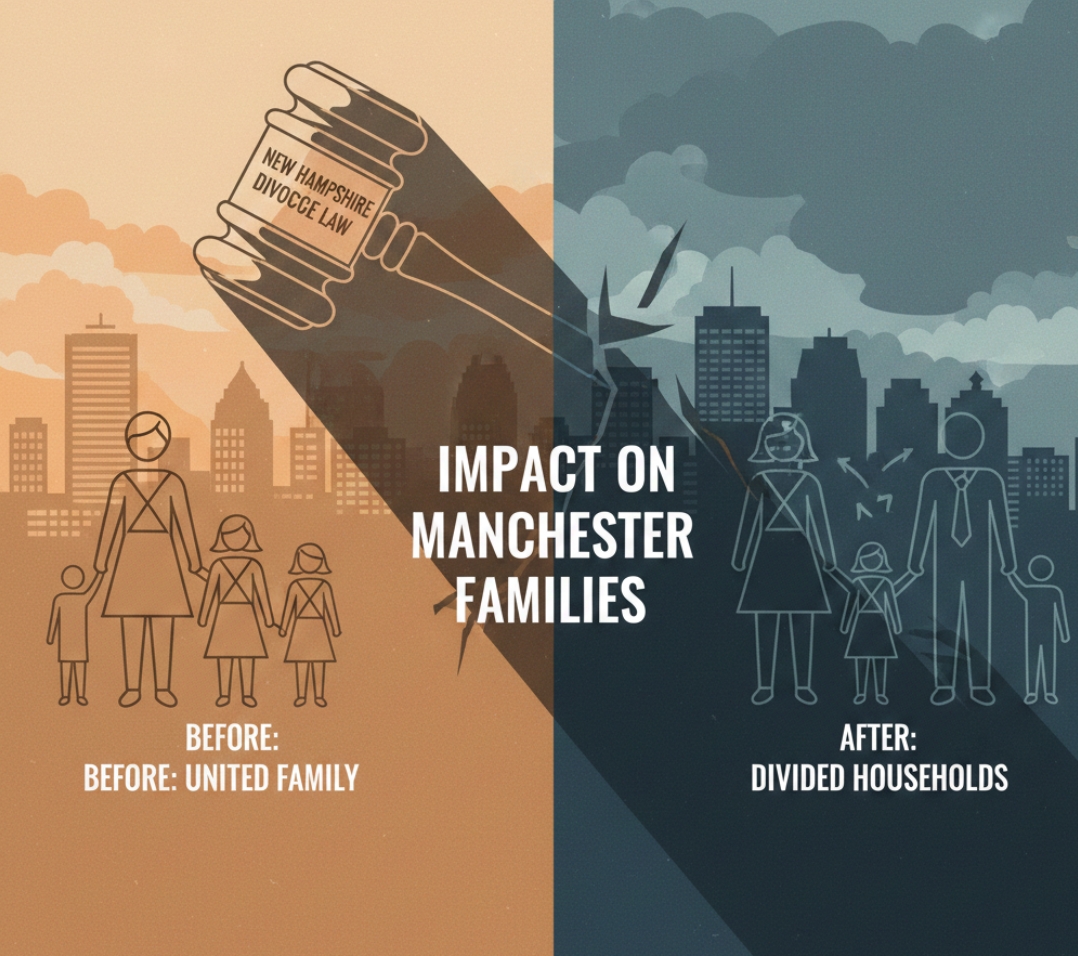
Understanding Equitable Distribution in New Hampshire
New Hampshire families contemplating divorce should begin by understanding the state’s approach to dividing property. Instead of splitting all assets 50-50, as in “community property” states, New Hampshire adheres to equitable distribution, which seeks fairness above simple equality. Marital property—including real estate, retirement accounts, and even debts—is divided based on factors such as each party’s financial and non-financial contributions, the duration of the marriage, post-divorce needs, and future earning capacity. If you’re uncertain about your family’s specific circumstances, seeking legal guidance from Turco Legal, P.C. can offer clarity and advocate for your best interests during negotiations or in court.
This equitable approach often considers whether one spouse stayed home to care for children, helped build a business, or pursued further education during the marriage. It’s not uncommon for the higher-earning spouse or the spouse contributing non-financially to receive a more substantial share, depending on the court’s analysis of fairness in each unique case. The guiding principle always remains what’s in the best interest of both parties and their dependents.
Recent Legislative Changes Affecting Custody and Child Support
New Hampshire’s divorce and custody laws continue to evolve, reflecting society’s changing expectations regarding parenting and financial fairness following separation. In July 2024, the enactment of HB 185 brought more focus on shared parenting, encouraging courts to maximize each parent’s involvement in their children’s lives. The law’s principal aim is to maintain strong child-parent bonds after divorce, unless exceptional circumstances require a different arrangement.
A notable update passed in 2025 introduced a presumption of $0 child support when both parents have similar incomes and equal parenting schedules. This legislative trend promotes parental responsibility while ensuring that child support decisions reflect each family’s unique situation, rather than adhering to rigid guidelines. Understanding these changes is crucial for families seeking to structure custody or support agreements without unnecessary conflict.
For further legal context about recent legislative amendments, you can consult authoritative analysis at the National Parents Organization.
Implications of Premarital Cohabitation on Asset Division
Many couples today live together before getting married. In New Hampshire, this trend has legal implications. The New Hampshire Supreme Court now permits judges to factor in the time couples cohabitated before marriage when dividing marital property. If a couple was building wealth and sharing responsibilities pre-marriage, the court may consider this history relevant to a fair division of assets. This nuanced approach can ensure that long-term partners are recognized for their mutual contributions throughout the entire relationship, not just the legal marriage.
Social Media’s Role in Divorce Proceedings
Social media has transformed the landscape of divorce litigation. Posts bragging about vacations, expensive purchases, or disparaging a spouse can be used as evidence in court, impacting judgments in property division, child custody, or spousal support determination. Family law attorneys frequently advise clients to exercise discretion—even more so during divorce—because digital footprints often last forever and can be interpreted in unforeseen ways. For families navigating divorce, refraining from posting or tightening privacy settings can prevent unnecessary complications.
Child Support Considerations for Families Receiving Assistance
Families in Manchester who receive Temporary Assistance for Needy Families (TANF) face different considerations when it comes to child support. New Hampshire retains a portion of child support payments made to TANF recipients, offsetting the public cost of aid. In fiscal year 2024, the state kept approximately $4.8 million in fees from these families. Parents on public assistance must understand how these policies can affect both their financial situation and their children’s resources.
For those seeking more information on TANF and child support retention nationwide, the Center on Budget and Policy Priorities offers an in-depth examination of these intersecting policies.
Legal Recognition of Same-Sex Adultery
Legal standards have also evolved to recognize that adultery as grounds for fault-based divorce applies equally, regardless of the gender of the people involved. Recent New Hampshire decisions ensure that same-sex adultery is treated identically to heterosexual cases, reflecting broader principles of equality and respect for all families. This progressive stance provides clarity and inclusion for LGBTQ individuals seeking fair treatment in the family court system.
Potential Reorganization of Family Courts
New Hampshire is considering restructuring its family court system, with proposals to consolidate family division courts into the superior court system. This reorganization is designed to streamline processes, eliminate duplicate resources, and potentially expedite case processing. However, it may also reduce the number of specialized courts, which could impact the ease of access and wait times for Manchester families. Staying informed about these proposals ensures families are prepared for potential impacts on how and where their cases are handled.
Impact of Divorce on Children’s Long-Term Outcomes
Multiple studies indicate that children who experience parental divorce—especially at a young age—may encounter increased risks of reduced adult income, teen pregnancy, and even incarceration. These findings underline the importance of prioritizing children’s long-term well-being during the divorce process, not only in custody arrangements but also in providing emotional support, stability, and ongoing parental involvement.
Navigating divorce in New Hampshire involves understanding complex and frequently evolving laws that influence everything from property division to the emotional well-being of children. Partnering with experienced legal professionals and staying up-to-date on legislative changes can help Manchester families achieve fair outcomes and a smoother transition to a new chapter.