
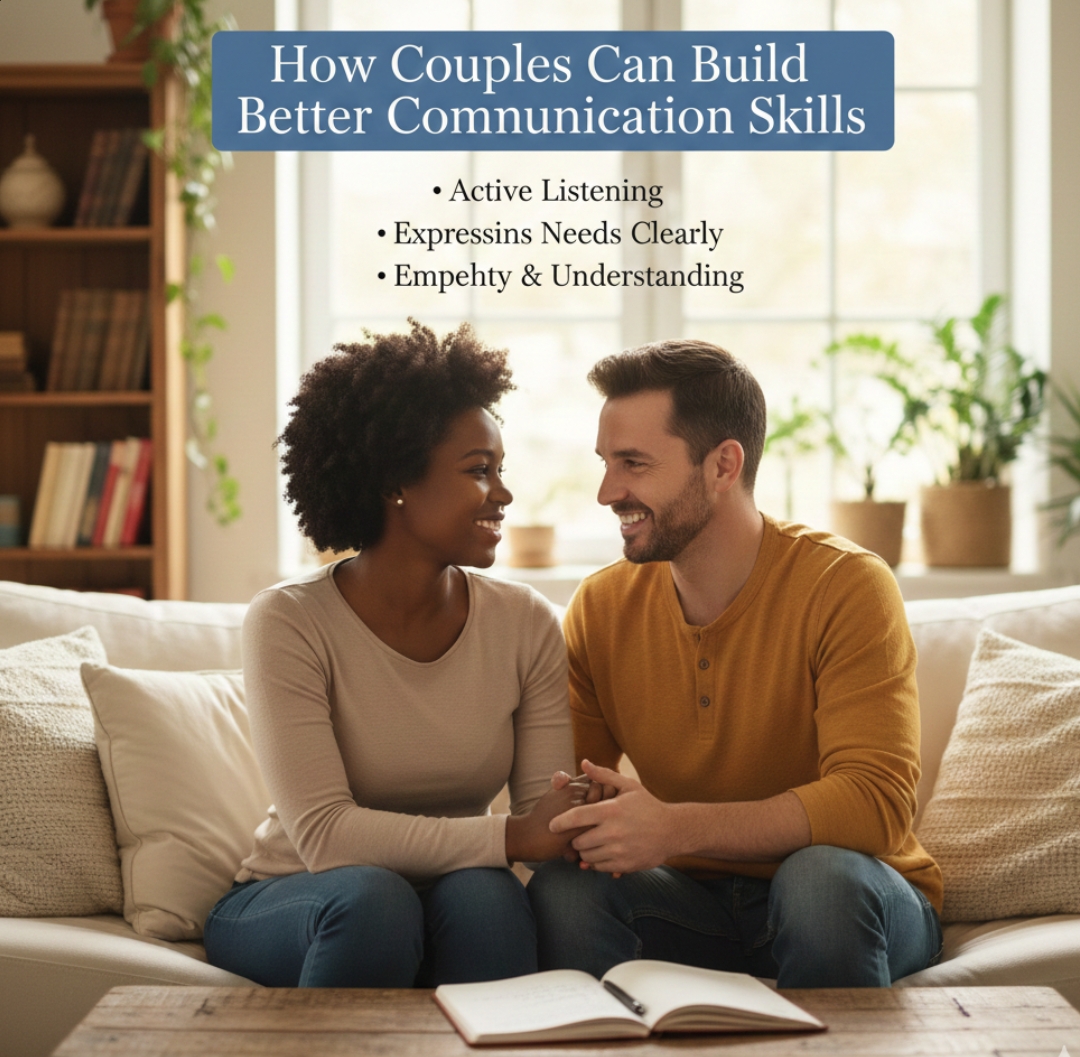
Effective communication is fundamental to the success and satisfaction of any romantic relationship. Couples who develop strong communication habits often experience greater trust, intimacy, and resilience in the face of challenges. Whether you’re navigating daily stresses, resolving conflicts, or planning for the future, open dialogue lays the groundwork for an enduring partnership. If you are seeking improved connection, consider professional options such as couples therapy in Montreal for personalized support and effective guidance.
Improving communication doesn’t happen overnight, but with intentional practice and the willingness to understand your partner’s perspective, meaningful change is possible. Both verbal and nonverbal skills play a significant role in how couples interact with one another.
Strong relationships thrive when partners commit to honest conversations and genuinely strive to listen to one another. It’s not just about what is said, but also how and when it’s expressed. Taking regular time to check in with each other fosters a supportive environment where both partners feel heard and validated. As communication skills improve, couples tend to find more satisfaction and happiness in their relationship, as explained in greater detail by psychology experts at Psychology Today.
Practice Active Listening
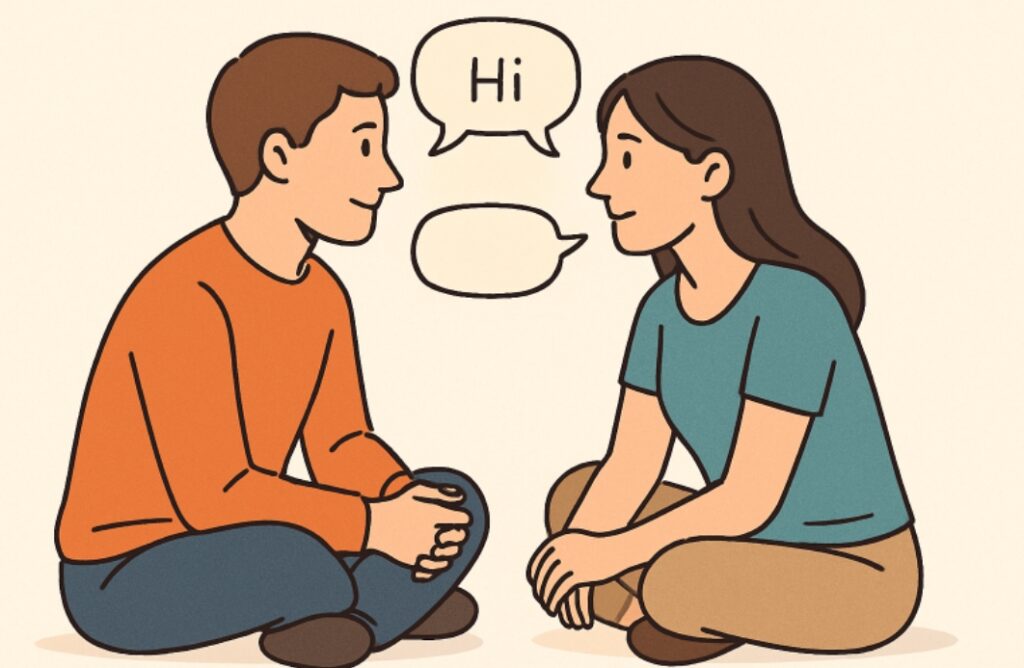
Active listening is more than just hearing the words your partner speaks; it requires full presence, engagement, and validation. When couples practice active listening, each person feels valued and understood. This approach minimizes miscommunication and can de-escalate potentially tense conversations. Try these actionable steps for effective active listening:
- Make eye contact and put aside distractions, such as smartphones or television.
- Reflect on what your partner is sharing by paraphrasing or echoing their words.
- Validate your partner’s experiences and emotions, showing that their feelings matter.
- Ask follow-up questions, like “Can you tell me more about how that made you feel?” to clarify your understanding.
Acknowledging emotions and demonstrating empathy can help partners feel truly heard, which is key to a constructive and open relationship.
Use “I” Statements
One common pitfall in couple communication is using language that sounds accusatory or critical. “You” statements can increase your partner’s defensiveness, whereas “I” statements gently express personal feelings and needs. This approach allows for vulnerability while inviting collaboration rather than conflict. The typical structure of an “I” statement includes:
- Describe the situation neutrally: “When you…”
- Express your personal feeling: “I feel…”
- Explain the impact or reason: “Because…”
For instance, instead of saying, “You never listen to me,” try, “When I share something and feel unheard, I feel frustrated because I’d like to connect with you.” This encourages open and respectful discussion, helping to avoid blame.
Schedule Regular Check-Ins
Modern life is busy, and it’s easy for couples to overlook ongoing emotional needs or unresolved issues. By scheduling regular check-ins, couples can proactively address concerns before they escalate into larger problems. These structured conversations support a sense of partnership and mutual respect. To make the most of your check-ins:
- Agree on a consistent schedule, such as once a week or every other week, and stick to it as much as possible.
- Use a shared online calendar to set reminders and avoid conflicts with other commitments.
- Keep check-ins brief and solution-focused, allowing both partners to share equally.
Regular communication rituals build trust and make it easier to approach tough topics. These planned moments help identify and resolve problems before they escalate, contributing to a more harmonious relationship.
Be Mindful of Non-Verbal Cues
Words are just one part of how couples communicate; non-verbal signals, such as tone of voice, facial expressions, and body language, often convey even more than spoken language. Being aware of non-verbal cues can significantly enhance the quality of interactions, reducing misunderstandings and fostering closeness. To enhance your non-verbal communication:
- Maintain an open posture and comfortable eye contact to signal attentiveness.
- Please pay attention to your own facial expressions and tone, ensuring they match your intended message.
- Notice your partner’s nonverbal cues and respond with empathy and care.
Emotional awareness and non-verbal sensitivity can prevent misinterpretation and help partners feel more securely connected.
Seek Professional Guidance
At times, couples may encounter persistent communication hurdles that feel insurmountable on their own. Seeking the guidance of a licensed relationship therapist can provide valuable tools, an external perspective, and a safe environment for growth. Therapy sessions help couples identify unhelpful patterns, learn new skills, and establish healthier dynamics. Resources, such as those from the American Psychological Association, highlight the benefits of professional support for couples facing repeated challenges.
Building lasting communication skills requires patience, compassion, and mutual commitment. Through consistent practice of these strategies, couples can cultivate a deeper understanding, enhance intimacy, and foster a happier, more resilient partnership.