
Burn injuries have an overwhelming impact on day-to-day living, reshaping routines, relationships, and sense of self. Survivors often face complex challenges, from grappling with physical pain to navigating a new social landscape. For those recovering from severe burns, such as in urban centers like Philadelphia, support from a Philadelphia burn injury lawyer can be crucial in securing compensation and access to necessary resources for long-term recovery.
Daily routines may require complete adjustments. Simple acts, such as preparing meals, buttoning a shirt, or commuting to work, can become complex and even painful. Survivors also frequently encounter questions or stares, which may further complicate their efforts to reintegrate socially and professionally after a serious injury.
Physical Challenges Post-Burn Injury
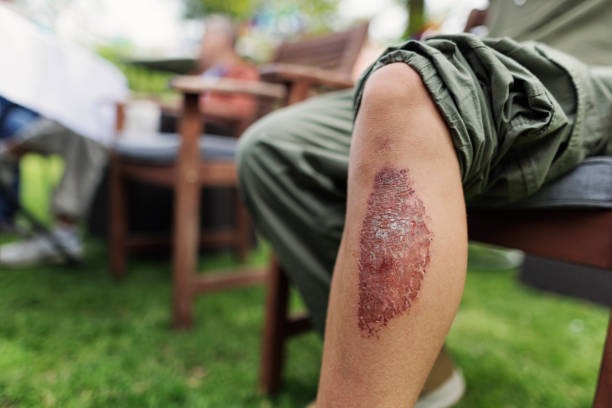
Many burn survivors contend with significant physical difficulties that persist long after the initial injury. Loss of skin elasticity from scarring and grafts can severely limit mobility, leading to challenges with basic movements like reaching, walking, or grasping objects. Chronic pain and fatigue are persistent realities for many, diminishing energy and focus, which complicates both leisure and work activities. In addition, the risk of infection or complications from severe burns can mean frequent visits and ongoing treatments, further disrupting everyday life.
The need for ongoing wound care, including dressing changes and infection monitoring, is another daily challenge for those with severe injuries. Scarring, nerve damage, and reduced sensation can complicate self-care and impede independence for months or years after the incident.
Emotional and Psychological Impact
The mental and emotional aftermath of burn injuries is as impactful as the physical recovery process. Feelings of isolation, depression, and anxiety are common among burn survivors, made worse by trauma and changes in physical appearance. According to the American Psychological Association, many burn victims are at heightened risk for post-traumatic stress disorder (PTSD), especially if the injury was caused by a traumatic event such as a fire or accident.
Emotional healing is often a long-term process that requires professional support. Counseling, peer support groups, and family involvement can help survivors regain confidence and develop healthy coping mechanisms for dealing with anxiety and social apprehension.
Social Interactions and Relationships
Visible injuries and scarring can be a major barrier in social contexts. Survivors sometimes endure staring, unsolicited questions, or insensitive remarks in public. This social scrutiny can make outings and group gatherings daunting, driving some to isolation or withdrawal from prior social circles.
The Role of Family and Support Networks
Close relationships are often tested in the aftermath of a burn injury, as family members may need to take on caregiving roles. At the same time, friends may struggle to understand their loved one’s new limitations. In these cases, community support and burn survivor networks are invaluable for establishing a sense of belonging and mutual understanding.
Returning to Work
Reentering the workforce presents its own set of challenges. Burn survivors may be unable to resume their former duties due to mobility issues, chronic pain, or emotional hurdles. Even those with less severe burns can face discrimination or require job changes and workplace modifications. Flexible scheduling, adaptive equipment, or job retraining may be necessary to help individuals return to employment and regain financial stability. Employers and colleagues who provide understanding and accommodations play a crucial role in the survivor’s reintegration.
Rehabilitation and Recovery
Successful recovery extends well beyond hospital discharge. Multidisciplinary rehabilitation, incorporating physical therapy, occupational therapy, and psychological support, is vital for maximizing function, restoring independence, and promoting emotional well-being. Access to burn centers and ongoing follow-up care enhances outcomes and boosts long-term quality of life.
Community and Support Resources
Specialized burn recovery programs and peer support groups provide survivors with the opportunity to connect with others who face similar challenges. This sense of community can be transformative, providing practical advice and emotional encouragement along the way.
Preventive Measures
While treatment and rehabilitation are vital for recovery, burn prevention remains the most effective way to reduce the prevalence and severity of injuries. Regularly testing smoke alarms, lowering the temperature of water heaters, and practicing kitchen and fire safety at home are straightforward steps that significantly reduce risks. Public education and community campaigns on fire safety play an important role in raising awareness and preventing tragedies.
Conclusion
The journey after a burn injury is profoundly personal and multifaceted, often requiring extensive physical rehabilitation and emotional adaptation. With the proper legal, medical, and community support, survivors can rebuild their lives and rediscover purpose, independence, and fulfillment beyond their injuries.
Disclaimer: This article is for general information only. It is not medical or legal advice. Every burn injury is different, and you should talk to a doctor or a qualified lawyer for help with your own situation.