

In today’s global B2B jewelry market, sustainability is a major contributor to a brand’s market positioning and growth. There is a greater demand from businesses for a fashion jewelry manufacturer that offers stylish products with a fully integrated sustainable approach to the production process. Eco-friendly manufacturing is no longer a choice, but a requirement for businesses to target the current market and build a brand in a crowded marketplace.
This article examines the extent to which contemporary fashion jewelry manufacturers have incorporated sustainability into their businesses and the impact this has on design creativity and production efficiency. This will greatly benefit B2B companies aiming to achieve a desirable synergy between style and sustainability.
The Impact of Sustainable Practices on the Jewelry Manufacturer Industry
The jewelry market has been impacted by the sustainability movement. Brands now compete on more than just design and price. Ethical behavior, environmental footprint, and transparency in the entire supply chain are now the primary features of the competitive landscape. A responsible fashion jewelry manufacturer employs sustainable practices at every level, from production to consumption, including design, sourcing, and packaging.
ECO B2B’s Competitive Advantage: Sustainability
Collaborating with eco-sustainable manufacturers provides B2B businesses a distinct competitive edge. They can now partner with eco-conscious manufacturers and develop product offerings targeted towards eco-conscious retailers and consumers, while fulfilling their corporate social responsibility. Specific criteria, such as transparency in the production process, environmentally certified materials, and compliance with environmental standards, are becoming increasingly important when considering prospective partners for sustainable, long-lasting manufacturing relationships.
From an operational perspective, the positive impact of sustainability is further enhanced in relation to risk mitigation. When manufacturers commit to sustainable practices, they are more likely to exceed international compliance, reduce overall waste, and respond more readily to the shift in demand for ethical sustainable supply products, which all further contribute to the overall sustainability of the business.
Responsible Material Sourcing
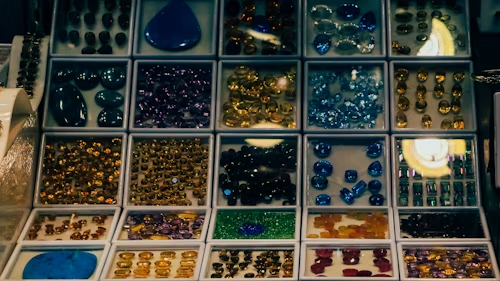
The sustainable manufacturing of jewelry relies heavily on the responsible sourcing of materials which has now become a fundamental pillar. Sustainable manufacturing encourages the use of recycled metals including silver, brass, and stainless steel. Ethical gems, traceable metals, and materials from certified suppliers enable every jewelry piece to meet international labor and environmental standards.
B2B clients are able to collaborate with a fashion jewelry manufacturer which significantly shifts the focus towards responsible and ethical materials. This transparency through management of supply chains as well as documentation, certification, and verification allows brands to promote their products as eco-sustainable. This further strengthens the reputation of the brand and facilitates partnerships with retailers who are motivated by ethical sourcing.
Responsible sourcing further helps to mitigate risks connected to global operations. Global operations have reliable suppliers. As a result, there is consistent quality, fewer, if any, delays, and international regulatory compliance is achieved. This makes global operations, and therefore, global supply chain management, less complex and more efficient for B2B companies.
Energy Efficiency and Waste Reduction
Sourcing is just a part of the equation, there is also the production. The modern manufacturers and factories of fashion jewelry have also started undergoing transformations in alignment with the implementation of lean manufacturing, energy efficient machinery, and waste management to reduce the adverse effects on the environment.
For example, the recycling of leftover metals from casting, polishing, and plating helps reduce the costs by lessening the raw material scope and gets the metals back into circulation. The machinery and the lighting also reduce the carbon footprint with the improvements in energy efficiency.
B2B brands, for example, will have the convenience of selling these less environmentally impactful products. They can promote and highlight these practices and initiatives to improve brand credibility and attract the environmentally concerned buyers. These initiatives are also aligned with the global standards of sustainability that are in a constant state of adoption.
It also, of course, improves outcome and increases profitability, the waste management and efficiency of the processes. The manufacturers will have several cost saving and quality outcomes by recycling materials and improving production workflows. This gives the brands an advantage that is marketable and sustainable.
Eco-Friendly Finishing and Packaging
Sustainable practices do not stop at production. Sustainable jewelry and faux leather accessories also account for finishing and packaging. Chemical etching, green plating, non-toxic water-based coatings and polishing dissolution chemical removal and chemical polishing. Water-based formulations are molecularly damaged at a molecular level, which reduces chemical waste and increases safety and durability of products.
Packaging also plays a non or negative impact. Biodegradable packaging boxes, recycled materials, and a minimalist approach also positively impact the brand, giving eco-credibility. B2B clients establishing partnerships with manufacturers which prioritize eco-friendly finishing and packaging, enables the client to market their products eco-friendly at all levels of the supply chain, from first point of eco-friendly production to last point of eco-friendly packaging and delivery.
Fashion jewelry factory and a brand are co-packers with the environmental interest packaging. Eco-conscious packaging complements the brand offerings, strengthens the overall brand image, and communicates with their industrial partners aligning with the global sustainability trends.
Leveraging Sustainability for Market Advantage
Sustainability benefits are no longer just a compliance necessity. Eco-conscious supply chain partnerships and fashion jewelry manufacturers cultivate a competitive advantage and points of differentiation for B2B partners.
Understanding the environmental impact of supply chains, sustainable production, and environmentally friendly packaging makes it much easier for companies and brands to gain consumer trust, develop credibility, and market towards eco-conscious consumers and retailers. Multi-level trust building systems, such as traceability systems combined with third-party audit certifications, turn gap marketing and sustainable practices into more than just trust building; it provides clear and quantifiable marketing opportunities.
To add on, the impact of sustainable practices on the potential to positively influence design also fosters innovation. The utilization of recycled, natural, and energy-saving materials by manufacturers helps to stand out and to market unique and energy-efficient items. B2B brands are then in a position to introduce positively impactful innovation by launching such unique environmentally sustainable design items and collections.
The Long-Term Advantages of Sustaining Green Practices
Collaborating with a sustainable fashion jewelry manufacturer has many advantages, including those that transcend immediate production concerns. Engaging in long-lasting partnerships with eco-friendly suppliers fosters sustainable production practices, seamless quality, and coordinated production.
B2B brands are assured unmatched credibility in their target international audiences, especially in sensitive markets, and gain the advantages of stable supply chains. A Supplier’s commitment to sustainable practices gives them credibility as power market players, and helps B2B brands to remain ahead of emerging trends.
Additionally, the implementation of green practices improves the quality of a B2B brand’s narrative and storytelling. The ethical and sustainable production of jewelry communicates the values and vision of a company, allowing B2B clients to set themselves apart from their competitors and develop long-lasting loyalty from retailers and consumers.
Balancing Style, Innovation, and Responsibility
The modern fashion jewelry manufacturer has demonstrated that sustainability and style can go hand in hand. Through responsible sourcing and energy-efficient production, eco-friendly finishing and sustainable packaging, manufacturers enable B2B clients to provide jewelry that is both aesthetically pleasing and environmentally sustainable.
Collaborating with a fashion jewelry factory and supplier committed to green practices enhances brands’ creative potential and ability to meet international standards while addressing consumer needs. Sustainability strengthens credibility, supports ethical business practices and offers sustainability positioned brands to thrive in a highly competitive global marketplace.
B2B businesses in the jewelry industry can view the integration of sustainability in their production processes as a strategic investment. It demonstrates environmental responsibility, but more importantly, it adds value to the business, improves market positioning, and builds trust with strategic partners and consumers. In a fast-evolving industry, incorporating green practices with innovative designs is key to achieving the differentiation that will sustain growth.