

As loved ones age, even the smallest daily responsibilities can begin to overwhelm them. Families often start noticing little slips—missed appointments, unopened mail, or spoiled food in the fridge. These moments trigger concern, but they rarely lead to immediate action. Instead, adult children begin quietly picking up the slack while trying not to disrupt their parents’ independence.
This silent effort builds slowly until the stress becomes undeniable. Relying on memory or routine becomes risky, especially for seniors who live alone or have limited support. Tasks that were once simple—like mailing a package or picking up a prescription—start creating anxiety. The burden, shared unevenly among family members, becomes a constant background tension.
The Quiet Crisis Behind Missed Errands
Seniors often hesitate to ask for help because they don’t want to feel like a burden. As a result, important tasks get delayed or forgotten entirely. Adult children try to step in without overstepping, but the balancing act is not sustainable. These missed errands are not just minor inconveniences—they are warning signs.
When everyday logistics go unhandled, it creates risk for everyone involved. Medications aren’t picked up. Doctor’s orders get lost. The stress piles up until someone reaches a breaking point, often during a crisis call no one saw coming.
When Routine Tasks Become Safety Risks
Driving is one of the first challenges to surface. Seniors may still want control over their transportation, but hesitation, poor eyesight, or confusion at intersections create dangerous situations. Public transport or rideshare apps often feel foreign or inaccessible. This turns basic errands into difficult obstacles.
A professional caregiver can accompany a senior to the grocery store, pharmacy, or even the dentist. More than just a ride, this presence helps navigate buildings, forms, and appointments with confidence. Families often find that consistent non-medical help like this reduces emergency visits. It also relieves pressure from children who can’t leave work every time Mom needs a ride. This is where top-rated home care services in Illinois become indispensable, offering personalized, flexible assistance for seniors without compromising dignity or control.
The Errands That Create the Most Stress
Not all errands feel equal. Some tasks—like standing in line at the bank or figuring out new phone plans—require problem-solving that overwhelms even the most capable seniors. These chores often end in frustration or delay, putting critical needs on pause. Meanwhile, loved ones feel guilt for not doing more.
Here are some errands that seniors often struggle with most:
- Navigating long lines and crowded public spaces
- Dealing with tech repairs or utility billing issues
- Picking up medications with changing insurance rules
- Handling returns or exchanges at retail stores
- Scheduling and preparing for service appointments at home
Appointments That Need a Second Pair of Ears
Medical visits are more complicated than they used to be. Between paperwork, multiple specialists, and changing recommendations, it’s easy to forget key details. When a caregiver attends these appointments, they can take notes, clarify next steps, and provide emotional support. This avoids the confusion that can come from relaying information secondhand.
Seniors feel calmer knowing someone is there, not just to drive but to advocate. Families feel confident that nothing will be missed or misinterpreted. It also reduces unnecessary repeat visits. This extra set of eyes and ears prevents small medical issues from becoming big ones.
Why Companionship Counts More Than We Admit
Many seniors don’t just need a helping hand—they need someone who takes time to listen. When a caregiver walks beside them during everyday errands, trust begins to form. These interactions turn errands into opportunities for connection. Over time, they also help seniors feel seen, not just serviced.
Loneliness is one of the biggest threats to a senior’s well-being. It often hides behind independence. Even just one consistent, friendly caregiver can change the way a week feels. They bring routine, warmth, and energy into everyday life.
Signs That Non-Medical Care Is the Next Step
Family caregivers often wait too long to ask for help. They dismiss exhaustion as normal or assume that “things will calm down soon.” But if errands are falling behind, appointments are getting missed, and everyone’s patience is wearing thin, it’s time. Non-medical care does not mean giving up—it means getting smart.
Look for these signs that help is overdue:
- Siblings are arguing about who should do what
- Seniors skip tasks to avoid asking for help
- Chronic stress is affecting the household
- Work, sleep, or parenting is suffering due to caregiving
- No one feels like they’re doing “enough,” no matter how hard they try
What to Expect When You Bring in Support
Families often imagine non-medical care as intrusive, but the opposite is usually true. Good caregivers blend into a routine rather than replace it. They adjust to preferences, habits, and rhythms that have been built over a lifetime. The support feels natural, not staged.
Care plans are flexible and evolve over time. A caregiver might start with errands once a week and add transportation or companionship later. The key is starting early, before things spiral. The right support team makes everyone in the family feel stronger.
If you’ve been silently managing tasks no one sees, but everyone feels, now is the time to ask for real help. Reach out to Ace Home Care to learn how consistent, thoughtful support can make life lighter for your parent—and for you. There’s no pressure to commit, just a chance to talk. Support starts with one small step.
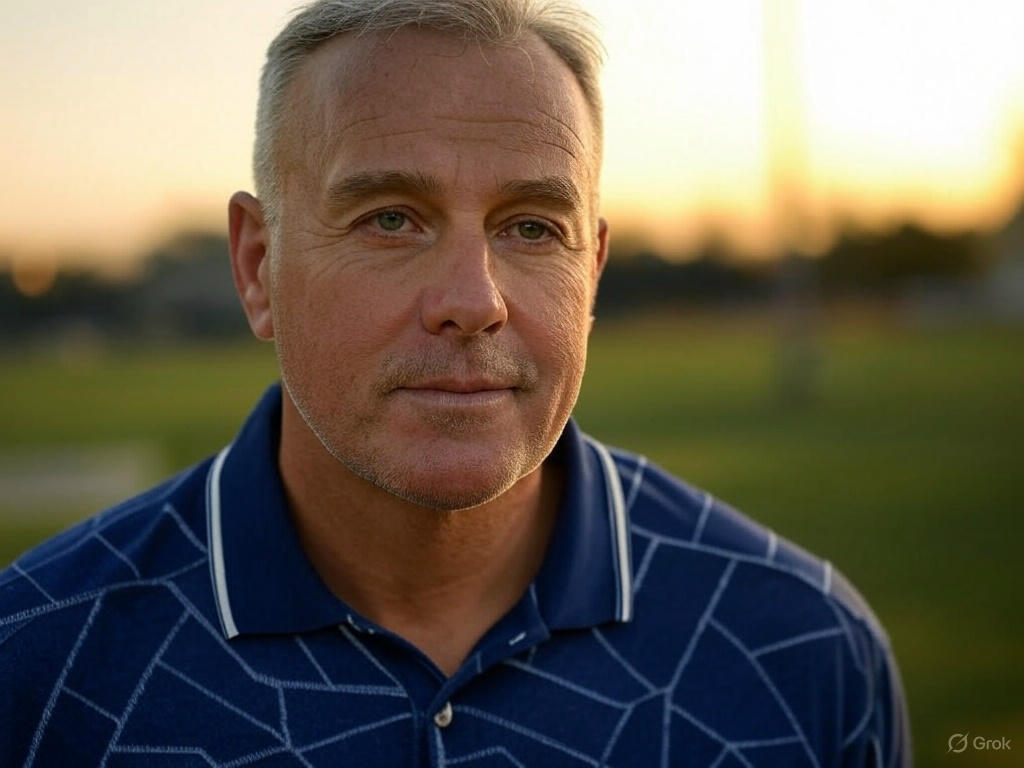
Jared H. Furness is a well-known sports analyst and writer. He is known for his skill in player stats in sports like football, basketball, and baseball. Jared has a sharp eye for detail and a passion for uncovering stories behind the numbers. He is known for writing detailed, SEO-friendly articles. They attract both fans and professionals.
His work often appears on major platforms. It offers detailed breakdowns of player performances, game highlights, and strategic insights. Jared makes complex statistics easy to understand and engaging. His articles, like the Boston College Eagles vs. UVA game analysis and the Arizona Diamondbacks vs. Miami Marlins match, show his talent for mixing data analysis with engaging stories.
Jared is known for producing human-written, plagiarism-free content. His pieces rank well on Google. This helps fans and analysts easily find his expert views on key matchups. Jared H. Furness raises the bar in sports stats journalism. He highlights Bobby Witt Jr.’s amazing plays and key moments in EuroLeague basketball.