

Making Your Empty Space Feel Like Home
You’ve got the keys. That new-home smell hits differently, doesn’t it? But then reality sets in—you’re standing in a sea of empty rooms, and suddenly that excitement morphs into something closer to dread. Furnishing a new home lands somewhere between “exciting challenge” and “complete nightmare” for most people.
The questions pile up fast: What comes first? How much is too much to spend? What happens if you hate everything in six months? Here’s a surprising parallel—organizations that nail their execution strategy see profitability jump by 77%. Your home deserves that same level of intentional planning.
Setting Your Home Furnishing Foundation
Look, before you start browsing online catalogs or hitting up furniture showrooms, there’s some unglamorous homework that’ll prevent expensive mistakes. Think of this as your insurance policy against buyer’s remorse.
Establish Your Budget and Timeline
Here’s where your new home furniture guide gets real—you need to face the numbers head-on. Try the 80-20 split: pour 80% of your funds into spaces you’ll actually live in (living room, bedroom), and reserve that remaining 20% for guest rooms and finishing touches.
Hidden expenses will ambush you—delivery charges, assembly fees, those “must-have” throw pillows that somehow cost $80 each. A sectional sofa with chaise might look pricey at first glance, but calculate cost-per-use over five years. You’ll probably realize it beats cycling through three cheap sofas that fall apart.
Furnishing in phases beats the big-bang approach every single time. Sure, you need a bed immediately (sleeping on floors loses its charm around age 25). But those accent chairs? They can wait a few months. Living in your space before committing to every piece prevents those “what was I thinking” moments.
Define Your Personal Style
Now that money talk is sorted, let’s figure out what aesthetic your budget will bring to life. Build yourself a visual library—Pinterest works great, Instagram too. Save 20+ images that spark something in you. Don’t overthink it. Patterns emerge naturally. Maybe you’re gravitating toward minimalist vibes and neutral territory, or perhaps vintage pieces and bold color make your heart race.
You don’t need some fancy design label to justify your choices. Your space should feel unmistakably yours. Yes, resale value matters—but way less than real estate agents want you to believe. Living in a home that reflects your actual personality beats playing it safe for hypothetical future buyers.
Room-by-Room Furnishing Strategy
Budget? Check. Style direction? Locked in. Measurements? In hand. Now let’s break down exactly which pieces transform empty rooms into spaces that work for your daily life. These home furnishing tips tackle each room individually because one-size-fits-all advice is worthless.
Living Room Essentials
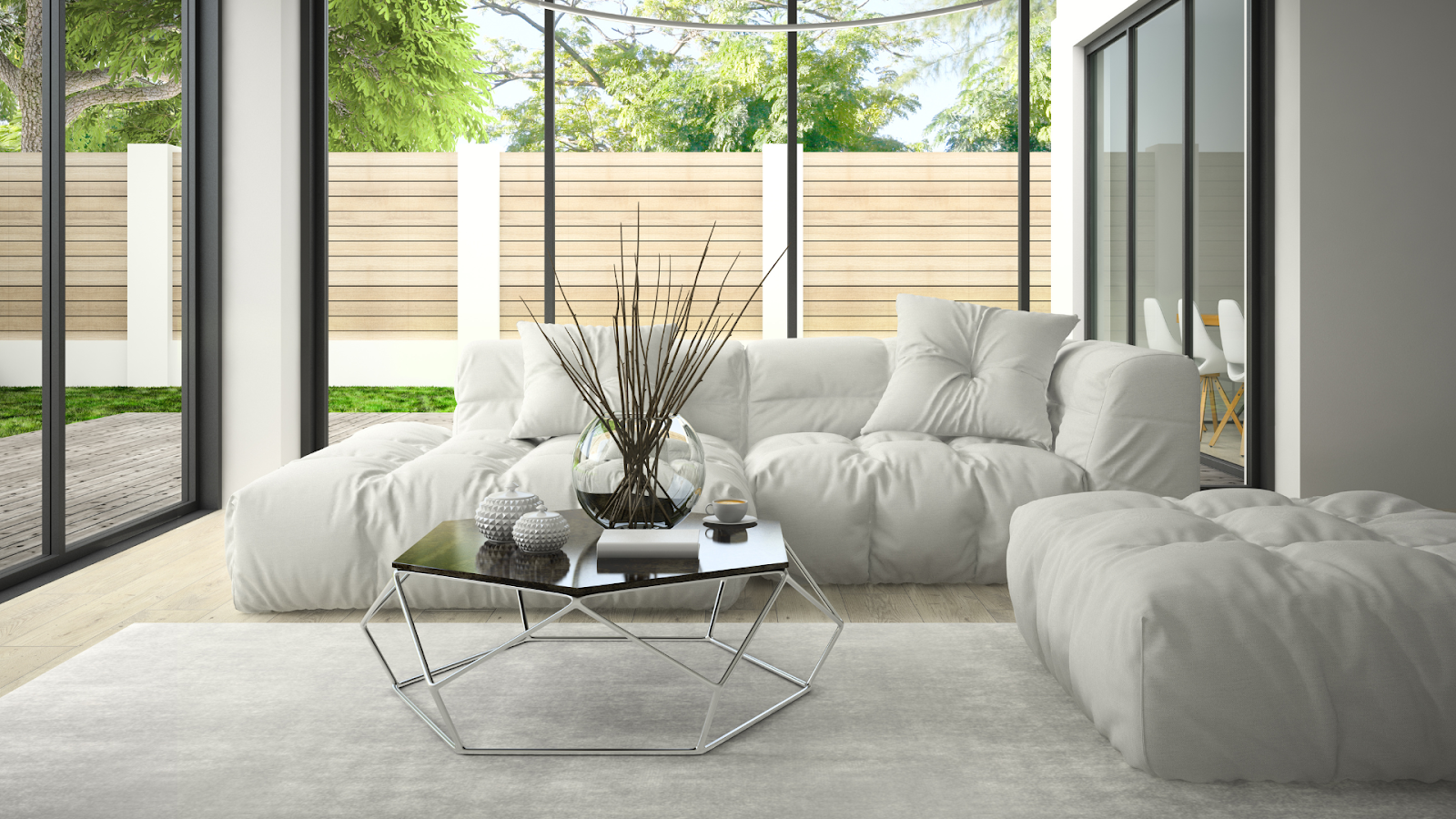
Three anchor pieces form the backbone of any functional living room. Start with the sofa—it’s your biggest investment and your biggest visual statement. Think about your actual lifestyle here. Weekly movie marathons? Afternoon nap enthusiast? A modular sectional delivers flexibility traditional sofas simply can’t provide.
Coffee tables work best positioned about 18 inches from your sofa, roughly two-thirds its length. Media consoles need enough width for your TV plus visual breathing room on both sides. Lock these foundational pieces into place first, then layer in accent chairs for extra seating and table lamps to avoid that harsh overhead lighting nobody actually likes.
Bedroom and Dining Priorities
Once your living room functions properly, shift focus to where you’ll spend a third of your existence—your bedroom. Mattress quality trumps fancy bed frames, though both add value when you eventually sell. And here’s permission to break the rules: nightstands don’t need to match. Pairing vintage with modern creates character that matchy-matchy sets never achieve.
Dining areas pull double duty these days—gathering spot and work-from-home backup. Table dimensions depend on your specific space, but maintain at least 36 inches between table edge and wall so chairs can actually pull out. Bench seating cuts costs and saves space while creating an approachable, casual atmosphere.
Smart Shopping Strategies for New Home Furniture
You know what each room needs. Now let’s talk about acquiring those pieces without obliterating your savings or settling for garbage quality. Strategic timing can cut costs by 30-70% on identical items.
Timing Your Purchases
When you shop rivals what you buy in terms of financial impact. Presidents’ Day, Memorial Day, Labor Day—these consistently deliver furniture’s deepest discounts. End-of-season clearances hit in January and July when retailers make room for new collections. Floor models drop 40-60% during these windows. Black Friday gets all the attention, but the weeks immediately after hold better deals when stores scramble to hit year-end targets.
Learning how to furnish a house on a constrained budget demands patience. But waiting six weeks for the right sale beats six years of living with regret. Join email lists from stores you actually like—they’ll tip you off to flash sales and grant early clearance access.
Mixing High and Low
Beyond timing, here’s the real secret to achieving expensive looks on moderate budgets: know precisely where to invest and where to economize. Splurge on daily-use items—sofas, mattresses, dining tables, office chairs. Save on trendy pieces like decorative storage, side tables, and accent chairs you might swap out as your taste evolves.
Sixty-one percent of corporate strategists identify poor implementation as why strategic initiatives collapse. Furniture plans fail for identical reasons—rushing without strategy.
Budget retailers now produce designer dupes that are shockingly convincing. That $2,000 accent chair probably has a $400 cousin that’s 85% as attractive. Check quality markers: joinery methods (dovetail beats staples every time), cushion density, wood species for solid pieces.
Style Cohesion and Flow Throughout Your Home
Individual rooms look great. Perfect. But how do you make your entire home feel deliberately designed instead of randomly assembled? Visual continuity doesn’t require everything to match—it requires thoughtful repetition.
Creating Visual Continuity
Professionally designed spaces share one characteristic: subtle consistency threading through each room without feeling overly coordinated. Select three colors that reappear throughout your home in shifting proportions. Navy, cream, and brass, for example. Your living room might run 60% cream, 30% navy, 10% brass. Flip those ratios in the bedroom—60% navy, 30% cream, 10% brass.
Material repetition matters too. Oak dining chairs? Echo that wood tone in your bedroom dresser or living room shelving. Decorating a new home with this level of intention requires more time upfront but creates spaces that photograph beautifully and actually feel peaceful to inhabit.
Mixing Furniture Styles
Continuity matters, sure. But the most captivating homes artfully blend different eras, styles, and finishes—here’s your roadmap for pulling it off. The 70-30 principle keeps things grounded: 70% of furniture aligns with your primary aesthetic, while 30% ventures into complementary territory. Modern living room? Add one traditional accent chair or vintage coffee table.
Wood tones don’t require perfect matching—they need similar undertones. Warm woods (walnut, oak) coexist beautifully. Cool woods (maple, ash) do too. Mixing metal finishes works when each finish appears at least twice per room. One brass lamp reads random; brass lamp plus brass frames reads intentional.
Common Furnishing Mistakes to Avoid
Even armed with research and good intentions, first-time home furnishers typically stumble into predictable traps. Here’s how to dodge them entirely and save yourself money and headaches.
Proportion and Scale Errors
The costliest mistake isn’t buying cheap furniture—it’s buying furniture that doesn’t physically work in your space. Oversized sectionals turn small living rooms into obstacle courses. Measure everything twice: rooms, doorways, stairwells, hallways. That dream sofa becomes a nightmare if it can’t physically enter your third-floor apartment.
Coffee table height should roughly match your sofa cushions, give or take two inches. Nightstands function best when they align with mattress height. These details feel nitpicky until you’re straining to reach your alarm clock every single morning.
Rushing the Process
More regretful purchases stem from impatience than ignorance. Slowing down prevents costly do-overs. Matching furniture sets broadcast “just moved in” energy and lack the collected-over-time charm that distinguishes houses from homes. Purchase immediate necessities now, live with them a month, then reassess what’s genuinely missing.
Impulse buying strikes when you shop without measurements or clear direction. That “perfect” dining table becomes problematic when you realize it blocks kitchen access. Photograph your space, carry a tape measure to stores, and avoid same-day purchases unless you’ve found a genuinely rare piece at an unbeatable price.
Your Furnishing Questions Answered
How much should I budget for furnishing a new home?
Target 10-15% of your home’s value, spread across 12-18 months. A $300,000 home translates to roughly $30,000-$45,000 in furniture needs, but you don’t need everything immediately. Start with $8,000-$10,000 for true essentials.
What furniture should I buy first when moving?
Prioritize a quality mattress, basic seating (sofa or sectional), dining table with chairs, essential bedroom storage. Everything else can wait until you’ve actually lived there and understand real needs versus imagined ones.
Is mixing furniture styles really okay?
Absolutely—and it’s actually preferable to matched sets. Deploy the 70-30 rule: maintain 70% consistency with your main aesthetic, then introduce 30% from complementary styles. Repeat key colors and materials to tie disparate styles together seamlessly.
Building Your Perfect Space, One Piece at a Time
Furnishing a new home isn’t a weekend sprint—it’s a gradual process of deliberate choices reflecting how you actually live. Begin with your budget and timeline, define your aesthetic direction, then tackle rooms based on priority and frequency of use.
Smart shopping means strategic timing, blending investment pieces with budget discoveries, and resisting the rush that breeds regret. Your home should evolve alongside you, not trap you in decisions made during those overwhelming first weeks. Take your time, trust your gut, and remember that empty corners beat furniture you’re only lukewarm about.