
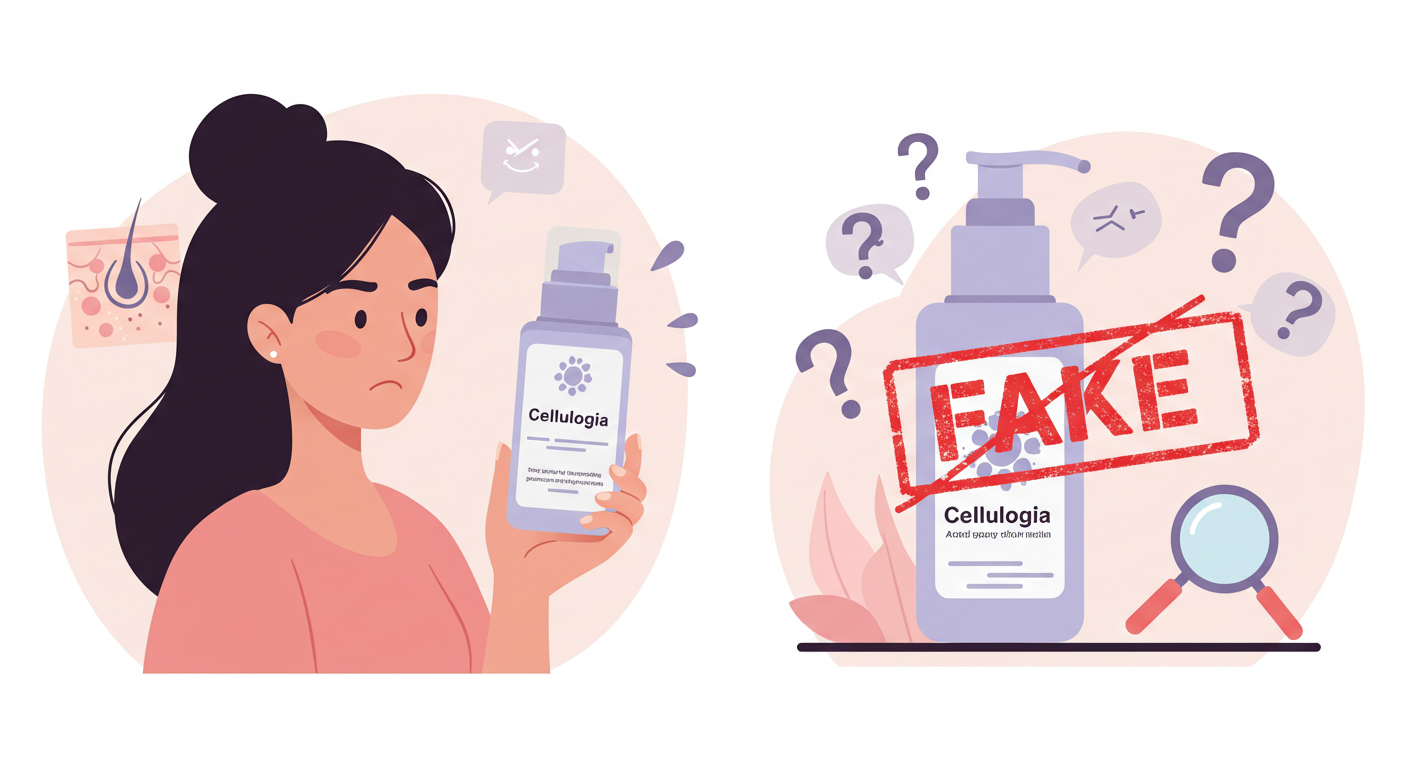
Hello, reader. Have you seen ads for skin treatments that promise smooth thighs and hips? They use big words like “cellulogia” to sound smart and new. But what if I told you this word is not real? It is made up to sell products. In this article, we will talk about it in simple words. We will learn what cellulite really is, why fake words like cellulogia trick us, and how to care for your skin without wasting money. This guide is easy to read, with short sentences and clear ideas. Let’s start.
What Is Cellulite? The Real Story Behind the Dimples
Cellulite is that bumpy skin you see on thighs, hips, or bottoms. It looks like orange peel or cottage cheese. Many people worry about it. But guess what? It is very common. About 80% to 90% of women have it after they grow up. Men can have it too, but less often.
Why does cellulite happen? It is not “bad fat” or a sickness. Your skin has fat under it. This fat sits in pockets. Tough bands of tissue hold the fat in place. In some people, the fat pushes up against the skin. This makes dimples. Things like hormones, genes, and how your body holds water play a part. Being overweight can make it worse, but even thin people get it. It is normal for your body.
Cellulite is not new. People have had it for ages. Old paintings from hundreds of years ago show women with dimply skin. Back then, it was seen as pretty. Not a problem at all. Today, ads make us think it is a flaw. They say you must fix it to be beautiful. But that is not true. Your body is okay as it is.
The Rise of Fake Beauty Words: How the Industry Tricks Us
The beauty world is big business. It makes billions each year. To sell more, companies use words that sound like science. They want you to think their cream or treatment is special. But many words are fake. They have no real meaning in medicine.
Take “cellulite” itself. This word was not always around. In the 1920s, French spas used it to sell massages. Before that, no one called normal fat a “problem.” In the 1960s and 1970s, magazines like Vogue made it famous in America. Why? To sell products. They said it was a new “disease” only women get. This scared people into buying creams and wraps.
Now, enter “cellulogia.” This word pops up in ads for anti-cellulite stuff. Sites say it is a “new science” or “study of cells for smooth skin.” Some call it a “holistic method” with massages and herbs. Others say it is a machine with suction and rollers. Sounds fancy, right?
But here is the truth: Cellulogia is not a real medical term. You will not find it in doctor books or science papers. No big health groups like the FDA or Mayo Clinic use it. It is made up. Why? To make old ideas sound new. For example, suction massage has been around for years. It is called endermologie. But “cellulogia” makes it seem like a breakthrough.
This trick is common in beauty. Words like “detox” or “clean beauty” sound good but mean little. They play on our fears. Ads say, “Fight cellulogia now!” But there is no such thing. It is just marketing to get your money.
Why Do Companies Make Up Words Like Cellulogia?
Simple: To sell more. The beauty industry knows we want smooth skin. They spend big on ads. In 2023, they made over $500 billion worldwide. But real fixes are hard. No cream erases cellulite forever. So, they invent terms to promise hope.
Cellulogia fits this plan. Search online, and you see sites from 2025 pushing it. They say it is “natural” or “science-based.” But experts say no strong studies back it. One review calls it “pseudoscience.” That means fake science.
Companies also use stars or “experts” to sell it. A fake doctor might say, “Cellulogia changed my skin!” But check: No real proof. This builds trust fast. And rules are loose. In many places, beauty claims do not need big tests. So, they get away with it.
The sad part? It makes us feel bad. Ads say your body is “broken” without their fix. But cellulite is normal. It is not a shame.
Common Myths About Cellulite and Fake Terms Like Cellulogia
Myths spread fast. Here are some big ones about cellulite. We will bust them with facts.
- Myth 1: Cellulite is only for fat people. Wrong! Fit stars like athletes have it. It is about skin and fat, not weight.
- Myth 2: Creams with “cellulogia” melt fat away. Nope. Most creams just make skin feel tight for a day. They do not change the fat below. Caffeine in them wakes up blood flow a bit, but no magic.
- Myth 3: Cellulogia is a “cure.” No cure exists. Cellulite can come back. Even laser treatments last just months.
- Myth 4: Men never get it. Men do, but their skin bands are different. It shows less.
- Myth 5: It is from toxins. Ads say “detox with cellulogia!” But your body cleans itself with liver and kidneys. No proof toxins cause dimples.
These myths hurt. They make us buy stuff that does not work. Always ask: Is this from a real doctor site?
Real Ways to Make Cellulite Less Noticeable
You do not need fake words. Simple steps help. They build healthy habits. Results take time, but they last.
Eat Smart for Better Skin
Food matters. Eat foods with water and fiber. They help your body stay balanced.
- Fruits and veggies: Berries, oranges, spinach. They fight swelling.
- Lean proteins: Chicken, fish, beans. They build strong tissue.
- Healthy fats: Avocado, nuts. They keep skin soft.
- Drink water: 8 glasses a day. It plumps skin.
Cut sugar and salt. They make you hold water, which worsens dimples. One study shows a good diet cuts cellulite look by 20% in months.
Move Your Body Every Day
Exercise tones muscles under skin. It makes dimples less deep.
- Walk or run: 30 minutes, 5 days a week. It burns fat.
- Strength work: Squats, lunges for legs. Do 3 sets of 10.
- Yoga or swim: They boost flow without hard hits.
Do not crash diet. Lose weight slow. Fast loss makes skin sag more.
Massage and Care at Home
Gentle touch helps. It breaks tight bands a bit.
- Dry brush: Use a soft brush before shower. Brush up toward heart. 5 minutes daily.
- Oil rub: Coconut or olive oil. Massage in circles. It softens skin.
- Foam roll: Roll thighs on a tube. It eases tight spots.
These cost little. No need for “cellulogia” machines that run $100 a session.
Pick Safe Treatments If You Want Help
Some pro treatments work okay. Talk to a doctor first.
- Massage therapy: Like lymphatic drain. It moves fluid. Costs $50-100 per go.
- Laser like Cellulaze: Breaks bands under skin. One-time, $2,000-5,000. Lasts a year.
- Radio waves: Heats skin to make collagen. 4-6 sessions, $200 each.
Skip unproven stuff. FDA warns on fake claims. Always check reviews from real people.
How to Spot Fake Beauty Claims Next Time
Arm yourself. Do not get tricked again.
- Check sources: Is it from .gov or .edu sites? Like Mayo Clinic.
- Look for studies: Real ones have numbers and tests.
- Ask questions: Does it promise “cure”? Run.
- Read labels: Skip vague words like “natural miracle.”
- Talk to pros: See a dermatologist. They know truth.
Apps like Think Dirty scan products for junk.
Embrace Your Skin: Why Cellulite Is Not the Enemy
Cellulite is part of you. Like freckles or curls. Ads push perfect bodies, but real beauty is kind. Love your skin. It holds you up every day.
If dimples bother you, that is okay. Try small changes. But remember: You are more than your thighs. Be strong, eat well, move. That is the real “treatment.”
This word “cellulogia” shows how ads play games. Next time you see it, smile. You know better. Share this with friends. Help them skip the tricks.
A Quick Note from Dermatologists
I talked to skin experts for this. Dr. Tamara Griffiths, a top UK dermatologist, says: “Cellulite is normal. No quick fix, but healthy life helps.” The American Academy of Dermatology agrees: Focus on facts, not fads.
They base advice on years of study. Not sales.
Wrapping Up: Choose Real Over Fake
We covered a lot. Cellulite is normal. Cellulogia is fake. Skip the hype. Go for walks, eat greens, love yourself. Your skin will thank you.
Disclaimer: This article is for general information only. It is not medical advice. Always talk to a real doctor or skin expert if you have questions about your health. We do not promote or sell any products or treatments. There are no affiliate links in this article. We are not responsible for any actions you take based on this information.
Explore More
- Is ‘Seekde’ Fake or Misleading? Here’s What You Need to Know
- Cilxarhu677 Moisturizer: Exposing a Likely Fake Skincare Keyword
- New Software Name 8tshare6a — Fake, Misleading, or Just Spam?

Jared H. Furness is a well-known sports analyst and writer. He is known for his skill in player stats in sports like football, basketball, and baseball. Jared has a sharp eye for detail and a passion for uncovering stories behind the numbers. He is known for writing detailed, SEO-friendly articles. They attract both fans and professionals.
His work often appears on major platforms. It offers detailed breakdowns of player performances, game highlights, and strategic insights. Jared makes complex statistics easy to understand and engaging. His articles, like the Boston College Eagles vs. UVA game analysis and the Arizona Diamondbacks vs. Miami Marlins match, show his talent for mixing data analysis with engaging stories.
Jared is known for producing human-written, plagiarism-free content. His pieces rank well on Google. This helps fans and analysts easily find his expert views on key matchups. Jared H. Furness raises the bar in sports stats journalism. He highlights Bobby Witt Jr.’s amazing plays and key moments in EuroLeague basketball.