
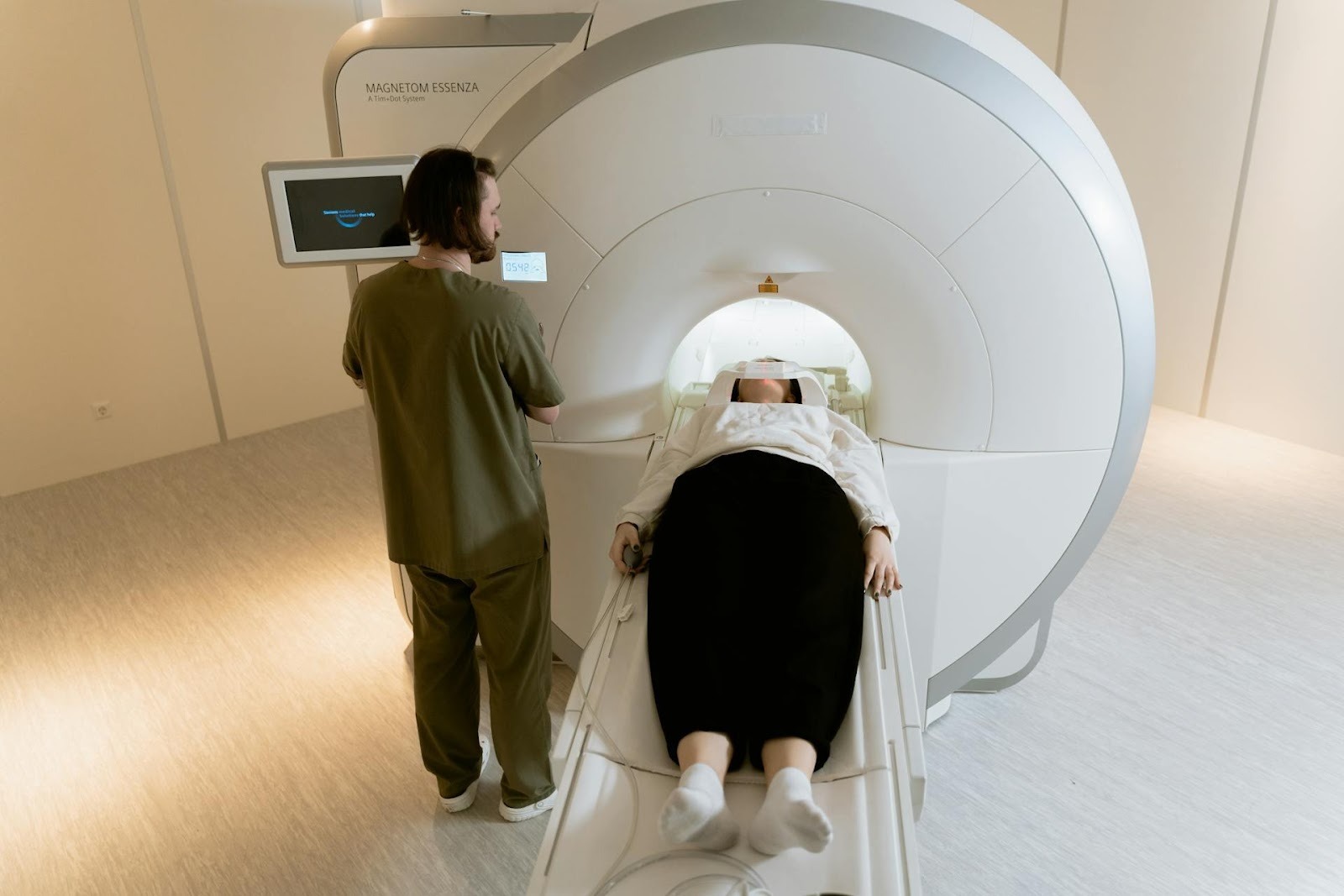
Running a diagnostic imaging center involves far more than installing machines and booking appointments. Every decision affects patient trust, operational efficiency, and long-term revenue. Imaging centers operate in a competitive and highly regulated environment where accuracy, speed, and reliability matter every day. Patients expect quick results, referring physicians expect consistency, and payers expect compliance. At the same time, owners must manage high operating costs, staffing challenges, and evolving technology. A profitable imaging center balances clinical excellence with smart business practices.
This article outlines strategies that can help imaging center owners improve efficiency, control costs, and build a sustainable, profitable operation without compromising care quality.
Build a Strong Business Foundation From Day One
A profitable diagnostic imaging center starts with a clear business foundation. Owners need a solid understanding of their target market, including patient demographics, referral patterns, and local competition. Choosing the right location plays a major role, as accessibility and proximity to referring physicians influence patient volume. Early planning should also include defining which imaging services to offer based on demand and reimbursement trends. Setting realistic financial projections helps manage expectations and prevents overspending during the initial phase.
Invest in High-Quality Equipment and Skilled Technical Staff
High-quality imaging equipment is not optional, even for new centers. Outdated or unreliable machines can lead to repeat scans, delays, and lost referrals. Skilled technologists are equally important because advanced equipment requires precise operation to produce consistent results. A strong technical team also improves patient comfort and safety during procedures.
For high-cost modalities such as MRI, working with a specialized service provider can make a major difference. Companies like Numed offer access to advanced MRI systems along with experienced teams who know how to operate them efficiently. You can explore their services by visiting https://numedinc.com/modalities/mri/.
This approach allows imaging centers to provide high-level services without taking on the full burden of equipment ownership and staffing upfront.
Focus on Patient Experience to Increase Retention
Patient experience has a direct impact on profitability. Imaging procedures can cause anxiety, especially for first-time patients. Clear instructions, friendly staff, and respectful communication help ease concerns and build trust. Short wait times and efficient check-in processes show patients that their time matters. Comfortable imaging rooms and attentive technologists also improve overall satisfaction. When patients feel respected and informed, they are more likely to return if future imaging is needed.
Optimize Scheduling and Workflow Efficiency
Efficient scheduling helps maximize equipment usage and reduce wasted time. Poorly managed schedules lead to idle scanners, long patient waits, and staff frustration. A well-structured workflow balances appointment length with realistic turnaround times. This includes accounting for preparation, scanning, and post-procedure steps. Coordinating staff schedules with peak demand ensures adequate coverage without unnecessary labor costs. When workflow runs smoothly, the center can increase daily scan volume while maintaining quality and patient satisfaction. Over time, small efficiency gains can produce meaningful revenue improvements.
Monitor Costs Without Compromising Care Quality
Cost control plays a major role in maintaining profitability, but cutting corners can quickly damage service quality and reputation. Imaging centers face ongoing expenses related to staffing, equipment maintenance, utilities, and supplies. Regular maintenance helps prevent unexpected equipment failures that disrupt scheduling and revenue. Smart staffing plans also reduce unnecessary overtime while ensuring adequate coverage during busy hours. Reviewing vendor contracts and service agreements on a regular basis can reveal opportunities to reduce expenses without affecting patient care. When costs are monitored carefully and adjusted strategically, the center remains financially stable while continuing to deliver reliable imaging services.
Ensure Accurate Billing and Revenue Cycle Management
Revenue cycle management affects how quickly and consistently an imaging center gets paid. Billing errors, coding mistakes, and incomplete documentation often lead to claim denials or delayed reimbursements. These issues create cash flow problems that can limit operational flexibility. Well-trained billing staff who understand payer requirements help reduce errors and speed up payment timelines. Regular audits of billing processes also help identify patterns that need correction. When claims move through the system efficiently, the center protects its revenue and gains better visibility into its financial performance.
Stay Compliant With Regulations and Accreditation Standards
Compliance is essential for protecting both patients and the business. Imaging centers must follow federal, state, and local regulations related to safety, licensing, and data protection. Accreditation standards also play a role in building credibility with payers and referring physicians. Failing to meet these requirements can lead to fines, operational shutdowns, or loss of contracts. Ongoing staff training helps ensure everyone understands current protocols and best practices.
Use Data and Performance Metrics to Guide Decisions
Data provides valuable insight into how an imaging center operates on a daily basis. Tracking metrics such as scan volume, equipment utilization, report turnaround times, and denial rates highlights both strengths and inefficiencies. These insights allow owners and managers to make informed adjustments rather than relying on assumptions. Data-driven decisions support better staffing plans, improved scheduling, and more accurate financial forecasting. Over time, consistent monitoring helps the center adapt to changes in demand and payer behavior while maintaining operational balance.
Running a profitable diagnostic imaging center requires careful planning, strategic investment, and a strong focus on both operations and relationships. Building a solid business foundation sets the stage for success, while high-quality equipment and skilled staff ensure clinical reliability. Cost management, compliance, and performance measurement enable more control over operations. When these elements work together, imaging centers can deliver high-quality care while maintaining financial health and long-term sustainability.

Dorothy I. Johnson is the heart and soul of Flash Flyer Blog’s writing team. Dorothy loves storytelling and finds the extraordinary in everyday life. She has a unique voice for sharing travel stories, tech trends, wellness tips, and food finds. Her relatable style makes complex ideas easy to grasp. She also turns simple moments into captivating stories. Dorothy’s background and curiosity inspire her to make content that connects with readers. They can find either practical tips or new viewpoints in her work. When she’s not writing, she likes to explore new places. She experiments in the kitchen or dives into a new personal growth book.