

Indoor air quality significantly impacts our daily well-being. It impacts comfort, health, and focus. HVAC systems help keep indoor air clean and fresh.
They move air, control temperature, and manage moisture in homes and buildings. When they work well, they reduce dust, pollen, and other harmful particles. Fresh airflow also helps remove bad smells and stale air.
New HVAC systems use better filters and smart controls. These features make breathing easier and spaces more comfortable. Let’s see how HVAC systems improve air quality and help people create healthier indoor environments.
Air Filtration
Air filtration is one of the most important parts of any HVAC system. Filters trap dust, pollen, pet hair, and other small particles that float in the air.
Clean filters help prevent these pollutants from spreading indoors. This makes breathing easier for everyone. Good filtration also helps protect HVAC equipment from buildup and damage.
When filters are changed on time, air flows better and stays cleaner. High-quality filters can even reduce bacteria and allergens. Over time, strong air filtration supports a healthier and more comfortable indoor environment.
Humidity Control
Too much moisture can cause mold, while dry air can irritate skin and lungs. HVAC systems regulate humidity levels throughout the space. This balance makes rooms feel fresher and easier to live in.
Proper humidity also protects furniture, flooring, and electronics. It helps prevent mold growth and reduces dust mites. When humidity stays at the right level, people sleep better and breathe easier.
Good humidity control supports both comfort and long-term indoor air quality.
Proper Ventilation
Proper ventilation brings fresh outdoor air inside while pushing stale air out. This process helps remove odors, fumes, and indoor pollutants.
HVAC systems manage this airflow in a controlled way. Without good ventilation, indoor air can feel heavy and unhealthy.
Fresh air circulation supports clear breathing and comfort. It also helps reduce the buildup of harmful gases. Over time, proper ventilation creates a cleaner and healthier indoor space for daily living.
The Economic Impact of Air Quality
Good indoor air quality can also save money over time. Clean air helps people stay healthier and miss fewer workdays. This boosts productivity and comfort.
HVAC systems that manage air quality well also reduce wear on equipment. This lowers repair and replacement costs. Energy-efficient systems can reduce monthly utility bills.
Buildings with better air quality may also increase property value. Investing in clean air is not just about health. It also supports long-term financial benefits for homes and businesses.
Temperature Regulation
HVAC systems keep rooms from becoming too hot or too cold. Steady temperatures help people focus and relax. Sudden changes can strain the body and affect sleep.
Proper temperature control also supports air quality by reducing moisture issues. Balanced temperatures prevent condensation and mold growth.
When the air feels comfortable, people use the space more easily. Reliable temperature regulation creates a stable and welcoming indoor environment year-round.
Energy Efficiency and Air Quality
Efficient HVAC systems move air smoothly without overworking. This helps maintain clean airflow while using less energy.
Lower energy use means lower utility bills. Efficient systems also reduce emissions that affect outdoor air. Clean filters and proper airflow improve system performance.
When systems run efficiently, they keep the air fresher and healthier. Energy-smart HVAC choices support comfort, savings, and cleaner indoor air at the same time.
Source Control
Source control focuses on reducing pollutants at their origin. This includes limiting smoke, chemicals, and strong odors indoors.
HVAC systems support source control by filtering and removing harmful particles. Keeping pollutants low helps prevent them from spreading. Simple steps like proper storage and ventilation also help.
When sources are controlled, the air stays cleaner with less effort. Source control is a smart way to protect indoor air quality from the start.
Use of Advanced Technologies
Advanced HVAC technologies improve how air is cleaned and controlled. Smart thermostats adjust airflow based on real needs.
High-efficiency filters trap smaller particles than before. Some systems use sensors to monitor air quality levels. These tools help maintain clean air at all times.
Automation reduces human error and improves comfort. Advanced technology also supports energy savings. Together, these innovations make indoor spaces healthier, smarter, and more comfortable.
Indoor Pollution Sources
Indoor pollution comes from many common sources. Dust, cleaning products, cooking fumes, and pets all affect air quality.
Building materials and furniture may also release chemicals. HVAC systems help manage these pollutants through filtration and airflow. Without control, these sources can build up over time.
Good system design helps reduce their impact. Knowing where pollution comes from helps people make better choices. Managing indoor sources keeps the air fresher and safer.
Regular Maintenance is Key
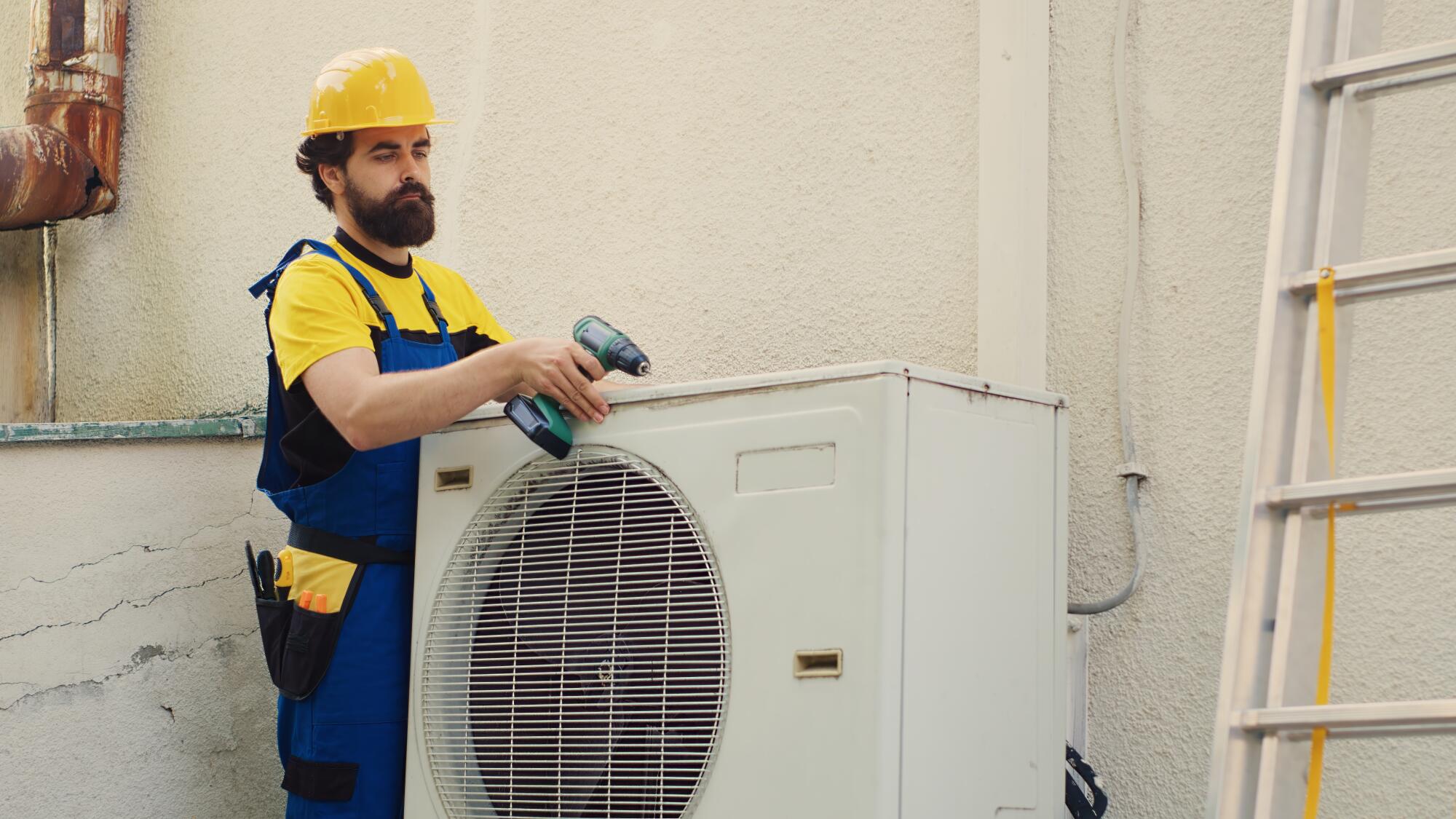
Regular maintenance keeps HVAC systems working properly. Clean filters and parts improve airflow and air quality.
Maintenance also helps prevent breakdowns and costly repairs. Small issues are easier to fix early. Professional service ensures systems run safely and efficiently.
Skilled technicians know what to check and adjust. Trusted experts, like this professional HVAC specialist in Jackson, Michigan, help keep systems reliable. Consistent maintenance supports cleaner air and long-term comfort.
Impact of Air Quality on Health
Indoor air quality has a direct effect on health. Clean air supports better breathing and clearer focus. Poor air can trigger allergies, asthma, and headaches. HVAC systems help reduce harmful particles and control moisture.
This creates a safer indoor environment. Good air quality also supports better sleep and energy levels. Over time, cleaner air improves overall well-being. Investing in air quality is an investment in daily health and comfort.
Noise Reduction and Comfort
Noise levels can affect comfort just as much as air quality. HVAC systems designed with noise control in mind create a calmer indoor environment.
Quiet operation helps reduce stress and distractions at home or work. Proper duct design and well-maintained components limit rattling and loud airflow. When systems run smoothly, they support focus and relaxation.
Lower noise also improves sleep quality. A quieter HVAC system adds to overall comfort while still delivering clean, healthy air throughout the space.
Perks of Enhancing Indoor Air Quality
Improving indoor air quality brings lasting comfort and peace of mind. Cleaner air supports better breathing, focus, and overall health. It also helps protect your home and HVAC system over time.
Now is a great time to review your current setup and make smart improvements. Consider working with experienced professionals who understand your needs. Take the next step today toward a fresher, healthier indoor environment and enjoy the benefits every day.
Did you find this article helpful? Check out the rest of our blog now!