

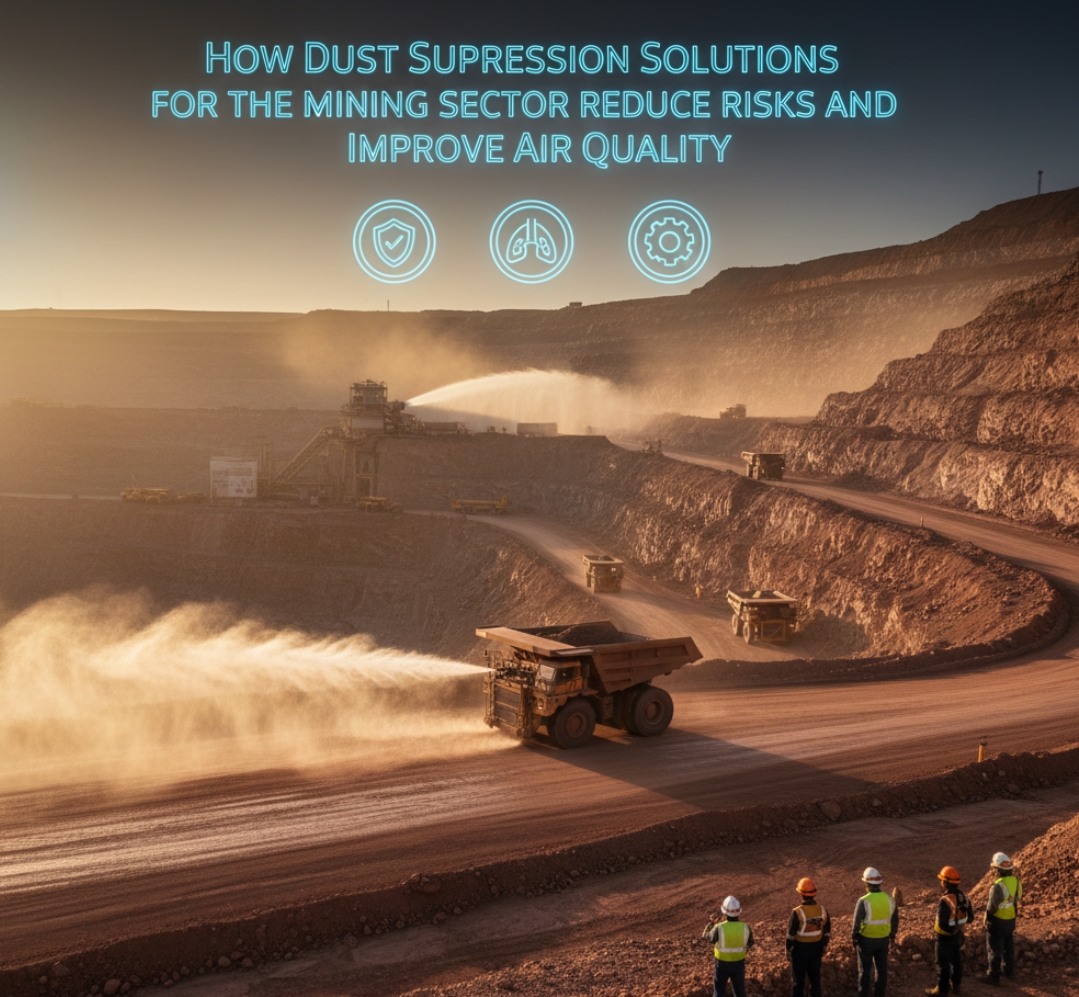
Controlling airborne particulates in mining requires comprehensive strategies that address dust at every stage of material handling, from extraction to transport and processing. Dust suppression solutions for the mining sector combine chemical suppressants, water-based systems, physical barriers, and operational modifications to minimize dust generation and migration across vast worksite areas. Unlike extraction systems that remove dust after it becomes airborne, suppression focuses on preventing dust from entering the air in the first place through moisture application, surface stabilization, and particle binding agents. The Mining Safety and Health Administration reports that integrated suppression programs can reduce ambient dust concentrations by 75-90%, significantly lowering the incidence of pneumoconiosis and other respiratory conditions among exposed workers.
The Problem with Thinking Water Alone Fixes Everything
A lot of operations just spray water everywhere and call it dust control. That’s better than nothing, sure, but it’s not nearly as effective as people assume. Water evaporates fast, especially in hot climates or near heat-generating equipment. Within an hour, treated surfaces can be generating dust again.
The bigger issue is that plain water doesn’t really bind particles together for long. You end up using enormous amounts of water, which creates its own problems like mud, drainage issues, and wasted resources. Some mines go through millions of gallons daily just on basic dust suppression, and they’re still dealing with dust clouds during windy conditions.
What Actually Works for Long-Term Control
Modern suppressants use hygroscopic chemicals like calcium chloride or magnesium chloride that pull moisture from the air and keep surfaces damp longer. These compounds can extend suppression effectiveness from hours to days or even weeks, depending on traffic and weather. Polymer-based binders create a flexible crust on haul roads and stockpiles that holds particles in place even under vehicle traffic.
For active mining faces, foaming agents mixed with water create a barrier that captures dust at the source. The foam sticks to rock surfaces and equipment, weighing down particles before they can become airborne. Some operations use atomized mist systems with droplet sizes matched to the particle distribution they’re targeting, usually in the 10-50 micron range. Getting that sizing right matters because droplets need to be large enough to collide with dust particles but small enough to stay suspended and cover the area effectively.
Matching Solutions to Specific Operations
Open pit operations need different approaches than underground mines. Surface mines deal with wind dispersion across large areas, so they rely heavily on water trucks with spray bars, fixed sprinkler systems along haul routes, and wind fences around stockpiles. Some sites use vegetative barriers or apply tackifiers to non-active areas.
Underground, you’re working with ventilation currents instead of natural wind. Dust migrates through the entire ventilation network, so suppression needs to happen at development headings, loading points, and transfer stations. A lot of underground operations now use automated spray systems triggered by conveyor motion or vehicle proximity sensors.
Measuring Real Improvements
When suppression programs get implemented properly, air quality monitoring shows dramatic shifts. Personal exposure monitors on workers typically show drops from 2-3 milligrams per cubic meter down to 0.1-0.3 range after comprehensive systems go in. That’s moving from hazardous levels to acceptable exposure zones.
The environmental benefits extend beyond the mine boundary too. Nearby communities report less dust deposition on properties, cleaner air quality measurements, and reduced complaints about respiratory irritation. Some operations have cut community dust complaints by over 80% just by switching from basic water spraying to engineered suppression systems with proper chemical additives and targeted application.