
“This article explains the lesser-known anatomical and mechanical causes of pilonidal cysts, dispels common myths, and guides readers toward effective treatment and prevention strategies.”
Discovering a cyst in butt crack can feel alarming and isolating. Many patients come to us feeling confused and embarrassed believing they caused the problem through personal habits. We want you to know this is a common medical condition. The true causes often surprise people. Understanding them is your first step toward effective treatment and removing unnecessary shame. Let’s clarify the real factors behind this painful issue.
It’s Not Just About Hair or Hygiene
A lot of people think that bad hygiene is the only reason and this is a common and harmful myth. Management needs to keep the place clean but the real problems are more complicated and often out of its control.
Modern research points to a combination of factors. The condition likely starts with a congenital predisposition meaning some people are simply born with a vulnerable area at the base of their spine. Tiny, naturally occurring skin dimples or pores can trap loose hairs which then act like a foreign body driving inflammation inward. Friction and prolonged sitting can exacerbate this process but they are not the origin.
Let’s clear a major misconception. Blaming hygiene alone is incorrect and unfair. The root cause is often a congenital predisposition you may be born with vulnerable skin pores in the natal cleft. Loose hairs migrate into these pores due to friction and force not poor cleanliness. Your body then reacts to this trapped hair as a foreign object sparking inflammation. This fundamental misunderstanding creates unnecessary shame. We focus on the real anatomical and genetic factors at play. This knowledge empowers you to seek correct, effective treatment without stigma.
The Hidden Culprit: The “Ingrown Hair” Theory Evolved
You’ve likely heard the term “ingrown hair.” For a pilonidal cyst, the mechanism is slightly different and more active. We now understand it as a “pulling” phenomenon rather than just a growing one.
Here’s what often happens: Loose hairs from the scalp or back, shed naturally, drift downward. Forces like skin friction, tight clothing, or prolonged sitting can actually pull these loose hairs into a vulnerable pore or follicle in the natal cleft (the buttock crease). Your body’s immune system then sees this trapped hair as a foreign invader. This triggers an inflammatory reaction, which creates the painful lump in buttock crack. It’s not that the hair grew into the skin from its root; it was pulled into it from the outside.
Anatomy and Lifestyle: The Perfect Storm
Certain physical and lifestyle factors can create the ideal environment for this process:
- Deep Natal Cleft: A naturally deep or narrow buttock crease creates a warm, moist and high-friction environment. This makes it easier for debris and hair to become trapped
- Body Hair and Texture: Coarse stiff body hair is more likely to pierce and irritate the skin
- Prolonged Sitting or Vibration: The Occupations like driving cycling or desk jobs apply constant pressure and friction to the area. This can force hairs inward and damage fragile follicles
- Family History: Genetics play a key role. If a close relative has had a pilonidal condition your own risk is higher due to inherited body shape and hair growth patterns
What This Means For Your Treatment

Why does understanding these causes matter? It shifts the treatment focus from blame to biology. Effective prevention and care target these root issues.
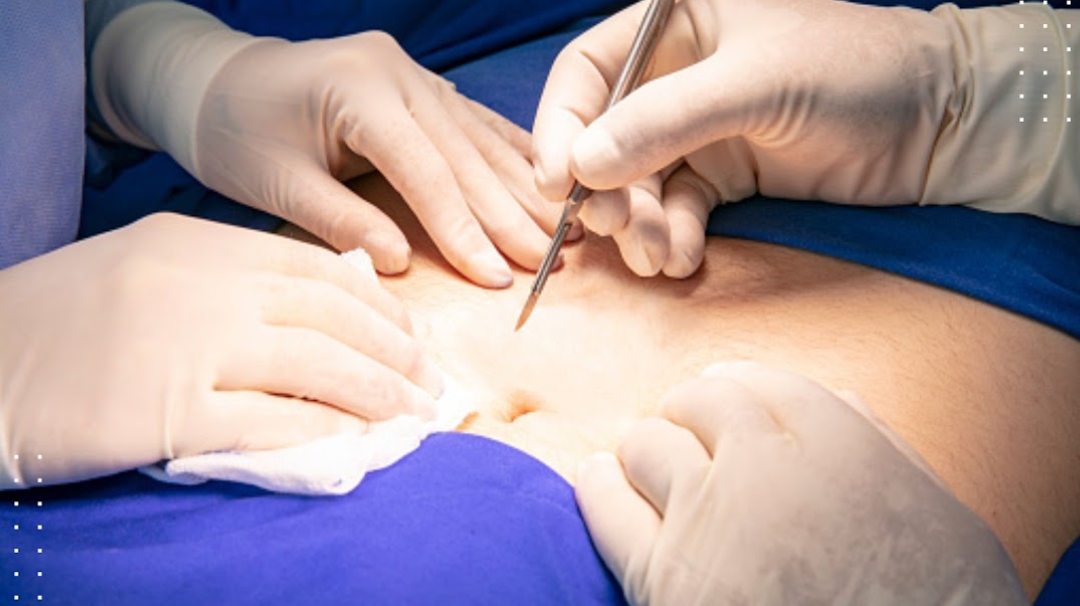
If you develop an abscess prompt drainage by a specialist is crucial. For recurrent issues definitive surgery aims to remove the problem tissue and, importantly alter the anatomy of the area to reduce the cleft depth and friction. Post operative care is vital for healing. For guidance on recovery we discuss Managing Pain After Pilonidal Cyst Excision: Tips That Actually Work.
Understanding the true causes directs us toward smarter solutions and treatment now focuses on anatomy and biology not blame. For a single abscess a specialist performs prompt drainage. For recurrent issues, modern surgery aims to remove the sinus tracts and reshape the area to eliminate the deep cleft. This reduces future risk. Your daily habits powerfully support medical care. Consider targeted hair removal, use a seating cushion, and wear loose clothing. This comprehensive approach addresses the root problem and it offers you a clear path to healing and significantly lowers the chance of recurrence.
Your daily habits can support medical treatment:
- Be careful where you sit: Take breaks to stand up often and use a cushion to ease direct pressure
- Wear clothes that are loose: Do not wear tight jeans that rub against your legs and hold in moisture
- Keep it dry: After bathing be sure to dry the crease well and fabrics that wick away moisture can assist
Conclusion
A cyst in this sensitive area is not your fault. It results from an interplay of anatomy, genetics, and mechanical factors. By moving past myths, we can focus on effective, modern treatments that address these true causes at Allen Kamrava MD MBA. If you see these indicators immediately talk to a professional. We can make a strategy just for you that includes not only treatment but also a way to stay free from concern and recurrence.