

If you’ve spent any time searching for modern training methods, you’ve probably seen the term “neuroscience-based dog training.” It sounds scientific,and maybe even a little intimidating,but at its core, it’s a simple and compassionate approach rooted in how dogs actually think, learn, and process the world around them. A dog training expert uses these principles not to complicate training, but to make it clearer, calmer, and far more effective for both dogs and their humans.
Neuroscience-based training isn’t about fancy tricks, rigid rules, or outdated dominance theories. It’s about understanding the dog’s brain, respecting how it works, and shaping behavior through emotional safety, consistency, and reinforcement. When you understand why a dog behaves the way they do, training becomes less of a struggle,and more of a shared language.
Let’s break down what neuroscience-based dog training actually means, in simple terms anyone can understand.
1. Dogs Don’t Behave Randomly , Their Brains Are Always Making Predictions
Every behavior your dog displays,pulling on a leash, barking at the door, jumping on guests, ignoring a recall,comes from the brain’s natural prediction system.
How the Canine Brain Works
Dogs make decisions based on:
- past experiences
- emotional memory
- instinct
- perceived safety
- expected outcomes
The brain’s job is to answer one question:
“What is the safest or most rewarding thing for me to do right now?”
This means behavior isn’t about stubbornness or “being bad.” It’s simply the brain choosing the most familiar or rewarding option.
Why This Matters for Training
When you teach a dog a new behavior, you’re teaching their brain:
- new predictions
- new associations
- new emotional outcomes
- new habits that feel safe and rewarding
Understanding this makes training less emotional and far more strategic.
The Emotional Side for Owners
Many people feel frustrated when a dog won’t “listen.”
Neuroscience reframes the problem: the dog is listening,to their own brain’s predictions. Training is about reshaping those predictions, not forcing obedience.
2. Reinforcement, Not Force, Builds Reliable Behavior
Neuroscience shows that dogs learn best when they feel safe, supported, and rewarded,not pressured or corrected harshly.
The Brain Responds Best to Positive Associations
Reinforcement strengthens the neural pathways that encourage good behavior. Harsh corrections do the opposite,they activate the fear center of the brain, making learning harder.
Positive reinforcement:
- releases dopamine (the “I did it!” chemical)
- builds confidence
- strengthens the dog-human bond
- makes new behaviors stick long-term
Punishment:
- triggers stress hormones
- creates confusion
- can suppress behavior temporarily but not fix the cause
- can damage trust
Why It Works
Dogs repeat what feels good and avoid what feels stressful.
Training is simply shaping those emotional connections.
3. Emotions Drive Behavior More Than Commands Do
A dog who is fearful, overstimulated, anxious, or frustrated won’t respond well to cues,even if they “know” them. Neuroscience tells us that emotion always comes before behavior.
Examples
- A dog who barks at strangers isn’t being disobedient,they’re feeling unsafe.
- A dog who pulls on leash may be overstimulated by every smell and sound.
- A dog who ignores “come” may be anxious, distracted, or overwhelmed.
The Key Insight
If you don’t address the emotion, you won’t change the behavior.
Training Through Emotional Safety
This approach helps dogs:
- settle
- regulate excitement
- cope with stress
- feel secure in new environments
When the emotional brain is calm, the learning brain can finally open.
4. The Brain Loves Patterns , So Training Must Be Consistent
Neuroscience shows that dogs learn through repetition and predictable outcomes.
Patterns Build Understanding
The brain quickly picks up on consistent signals:
- “sit” always leads to reward
- walking beside you leads to calm praise
- staying quiet at the window results in safety
- waiting at the door creates good things
When the pattern is reliable, the behavior becomes automatic.
Why Inconsistency Causes Problems
If one day jumping gets attention, and another day it gets ignored…
If sometimes the dog pulls and gets to move forward, and sometimes they don’t…
If cues are given with different tones, gestures, or expectations…
…the brain can’t form solid connections.
Consistency Isn’t Strictness
It’s simply about creating predictable, safe, repeatable experiences that help the dog understand what works.
5. Stress and Overwhelm Make Learning Nearly Impossible
A stressed brain can’t focus. This is true for humans,and equally true for dogs.
Signs of Stress That Many Owners Miss
- yawning outside of tiredness
- lip licking
- sudden scratching
- stiff posture
- looking away
- slow or hesitant movement
- excessive sniffing
These are early stress signals. When the stress escalates, you see:
- barking
- pulling
- growling
- shutting down
- hyperactivity
Why the Brain Struggles When Stressed
Stress:
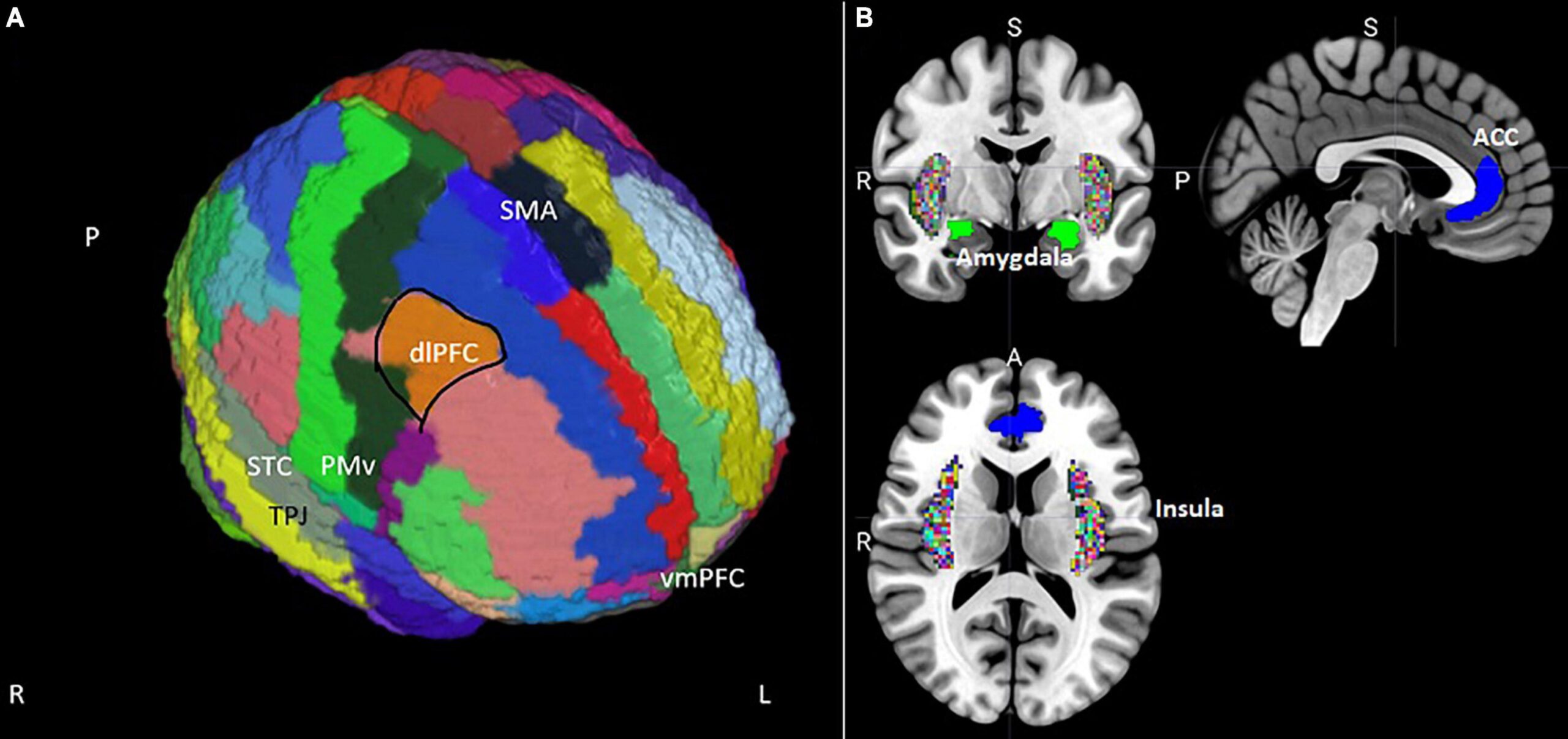
- shuts down the prefrontal cortex (where learning happens)
- activates fight-or-flight instincts
- blocks memory retention
- reduces impulse control
The Goal of Neuroscience-Based Training
Keep the dog below their stress threshold so they can actually learn.
Calm brains learn.
Overloaded brains react.
6. Environment Shapes Behavior More Than Willpower
A dog’s surroundings can completely change how they behave. Neuroscience calls this context-dependent learning.
Why This Matters
A dog may:
- “sit” perfectly at home but not at the park
- recall in the yard but not at the trail
- stay calm indoors but bark outside the window
The environment changes sensory input, distractions, emotional triggers, and the dog’s expectations.
Neuroscience-Based Training Builds Skills Gradually
This is done through:
- low-distraction practice first
- slowly increasing difficulty
- adding variety once behaviors are solid
- helping the brain generalize cues
This gradual approach prevents overwhelm and builds confidence.
7. Behavior Problems Are Often the Result of Unmet Needs
Many behaviors labeled as “bad” are simply the brain’s way of expressing unmet physical or emotional needs.
Common Examples
- chewing = stress relief and natural exploration
- barking = communication
- pulling = excitement or excess energy
- jumping = seeking social connection
- digging = instinctual behavior
Neuroscience encourages owners to ask why, not just correct what.
Meeting Needs Helps Resolve Behavior
This includes:
- exercise
- mental stimulation
- predictable routines
- emotional reassurance
- rest
- species-appropriate outlets
A fulfilled dog has less reason to act out.
8. Training Isn’t About Control , It’s About Communication
The most powerful part of neuroscience-based training is this:
Dogs aren’t trying to dominate you. They’re trying to understand you.
What Communication Actually Means
- clear cues
- consistent body language
- predictable outcomes
- calm leadership
- reinforcing behaviors you want
When communication becomes clear, behavior improves naturally.
The Emotional Component
Training becomes less about “fixing” things and more about building a shared understanding between human and dog,something that strengthens the bond more deeply than corrections ever could.