
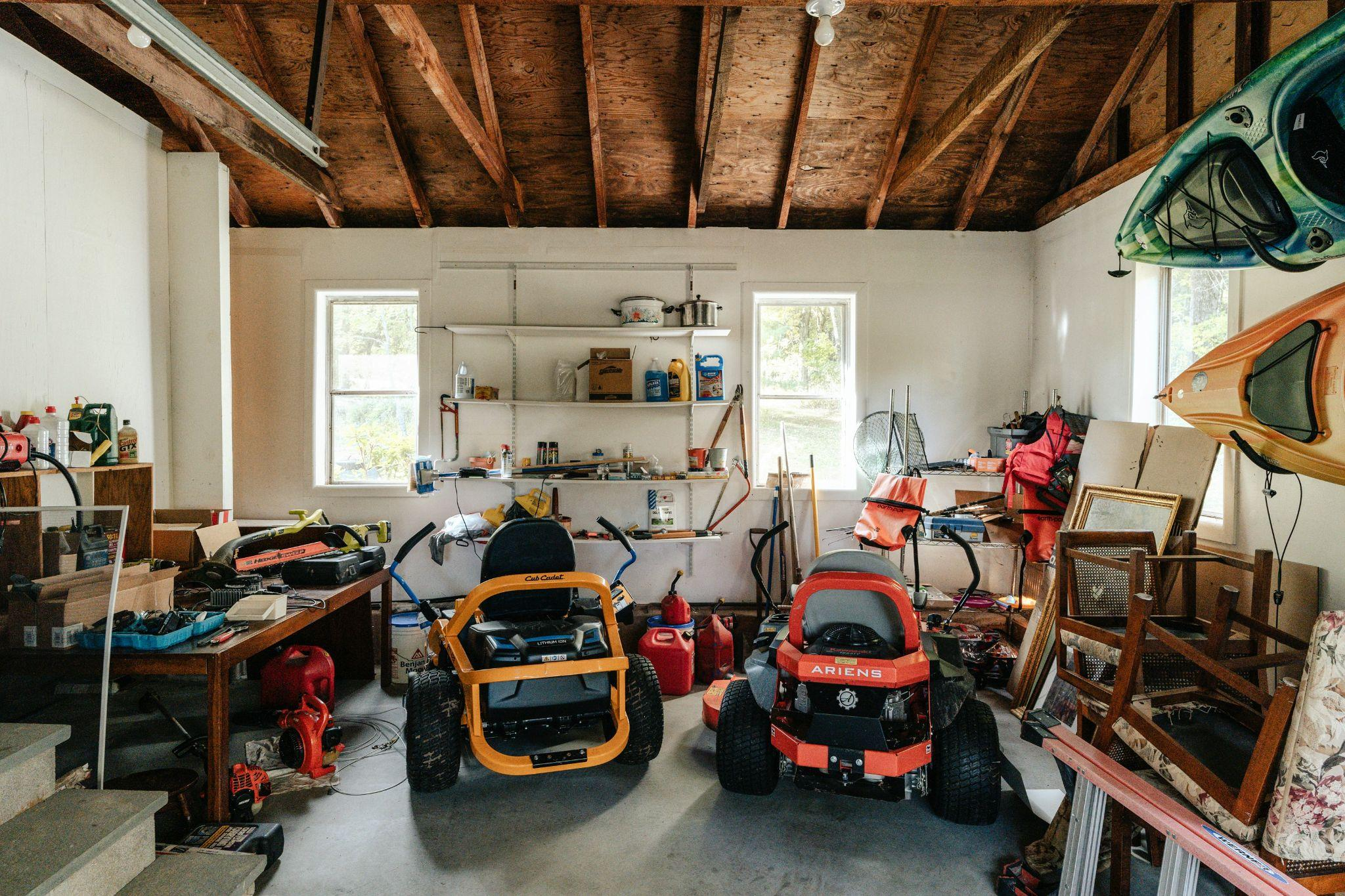
The way people care for their vehicles is changing, and so are the expectations around the tools that support that work. DIY maintenance has exploded in recent years, fueled by rising repair costs, better access to training resources, and a widespread desire to extend vehicle life. This shift has created a strong demand for garage equipment that is not only powerful and accurate but also safer and easier for the average car owner to use.
Resources such as My Garage Supplies highlight how homeowners are becoming more informed about the difference between essential systems like wheel balancing and alignment, and how the right tools can dramatically improve safety and long-term vehicle health.
Today’s home garages aren’t just storage spaces; they’re evolving into smarter, more intentional environments built around efficiency, precision, and confidence.
Why Smarter Garage Equipment Matters More Than Ever
Vehicles have become dramatically more complex over the past decade. Advanced driver-assistance systems, computerized engines, and sophisticated suspension components mean that even basic maintenance requires a higher degree of accuracy. The equipment used in home garages must keep pace with that complexity.
Modern tools reduce the margin of error that once made at-home repairs intimidating. Digital calibration, real-time measurement, and built-in safety systems make it possible for car owners to perform tasks that previously required a professional shop. As a result, more people feel empowered to take maintenance into their own hands, especially when dealing with upkeep that affects daily drivability.
The growing interest in smarter garage gear reflects a broader cultural shift: people want control over their vehicle health, clear understanding of the tools they use, and confidence that their equipment supports both performance and safety.
The Push Toward Safer, More Reliable Tools
Safety is at the core of the rising demand for advanced garage equipment. When working underneath or around a vehicle, even a small mechanical failure can lead to significant danger. High-quality tools reduce this risk by incorporating better engineering, stronger materials, and built-in safeguards.
Lifts, jacks, stands, and alignment tools now come with more robust locking mechanisms, improved stability, and upgraded sensing technology. These improvements matter not only for DIY mechanics but for any driver who wants peace of mind during maintenance.
Regulatory bodies have also emphasized the importance of safe, properly maintained equipment. The National Highway Traffic Safety Administration notes that mechanical failures and poor-quality maintenance tools are contributing factors in preventable vehicle incidents each year.
This data reinforces what many homeowners already feel: investing in safer equipment is not a luxury , it is a practical necessity.
Why Wheel Balancing and Alignment Illustrate the Shift
Few areas of vehicle maintenance highlight the demand for smarter tools better than wheel balancing and alignment. These tasks used to be considered strictly professional jobs. Today, digital advancements have made them far more accessible to home garages.
Wheel balancing ensures that weight is distributed evenly across the tire and wheel assembly. Even slight imbalances can cause vibration, steering discomfort, and premature tire wear. Alignment, on the other hand, focuses on toe, camber, and caster angles to ensure the vehicle tracks straight and handles predictably.
For years, the equipment for these tasks was bulky, expensive, and complicated. Newer systems, however, use more intuitive interfaces, improved sensors, and streamlined workflows. This evolution makes it easier for knowledgeable homeowners to monitor these critical aspects of vehicle health between professional servicing.
It also explains why more people are researching the differences between balancing and alignment; they want to know what symptoms mean, what tools are needed, and how often each should be performed.
Consumer Expectations Are Driving the Market
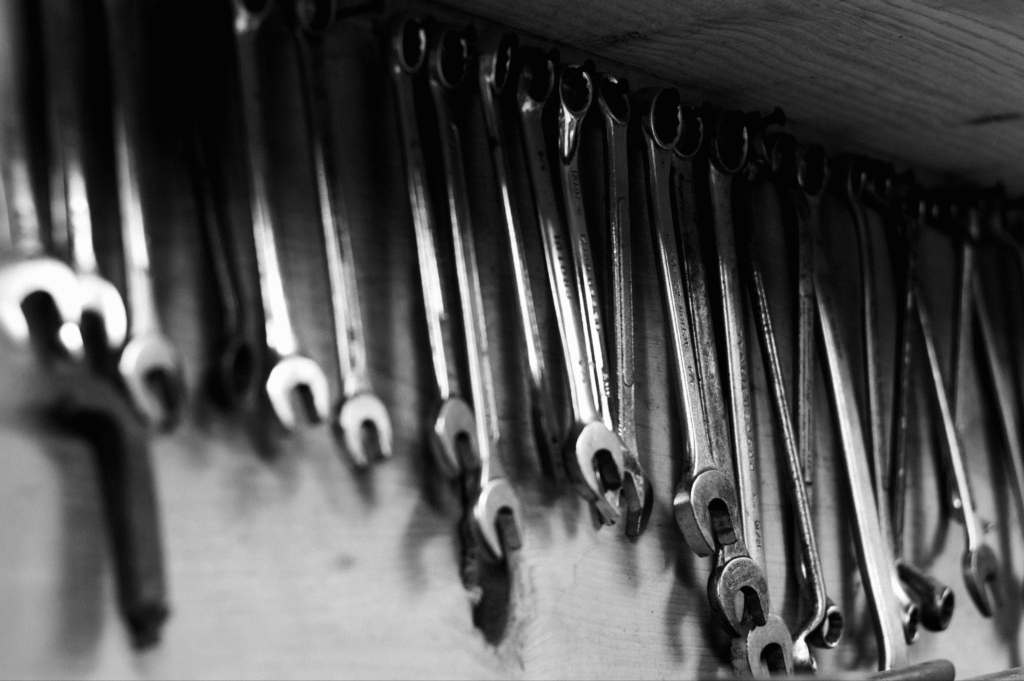
Garage equipment is becoming more advanced not simply because technology allows it, but because consumers want it. People expect tools that are accurate, durable, and easy to use. They want cleaner designs, clearer displays, and systems that help them avoid costly mistakes.
This shift in expectations is shaping how manufacturers design their equipment. Today’s tools often include visual guides, safety prompts, digital measurements, and automated recalibration. These enhancements support the modern consumer’s desire for both convenience and reliability.
The rise of home workshops , from small single-car garages to elaborate multi-bay setups , has also contributed to this trend. With more people viewing car care as a hobby or a cost-saving strategy, they are willing to invest in tools that make their work more professional.
How Education Is Fueling Demand
Part of the boom in smarter garage equipment comes from increased automotive literacy. Online tutorials, mechanic forums, and instructional videos have made once-complex tasks approachable. Homeowners understand more about their vehicles than ever before.
This awareness naturally leads to a demand for better tools. When people understand what wheel balancing does, or how misalignment affects fuel efficiency, they want equipment capable of diagnosing those issues accurately.
Better education also means consumers recognize the limitations of outdated or poorly made tools. They know the risks of inaccurate measurements, unstable lifts, or tools that degrade quickly , and they look for alternatives that align with their knowledge and safety expectations.
The Role of Multi-Function Equipment
Another factor driving interest is versatility. Home garages usually have limited space, so equipment that performs multiple tasks or adapts to different vehicle types is highly valued.
Multi-purpose jacks, adjustable stands, diagnostic scanners, and modular lifts appeal to consumers who want professional-grade utility without overcrowding their workspace. As vehicles evolve, adaptable tools help keep home garages relevant and future-proof.
Where the Future of Home Garage Equipment Is Heading
The trajectory is clear: smarter, safer, more intuitive equipment will continue to shape the modern garage. Upcoming innovations are expected to include expanded automation, deeper integration with vehicle onboard diagnostics, improved digital interfaces, and more sustainable materials.
As vehicle technology continues to advance, the equipment used to maintain those vehicles must advance alongside it. Homeowners are no longer satisfied with basic tools; they want systems that offer professional-level insight and dependable safety.

Jared H. Furness is a well-known sports analyst and writer. He is known for his skill in player stats in sports like football, basketball, and baseball. Jared has a sharp eye for detail and a passion for uncovering stories behind the numbers. He is known for writing detailed, SEO-friendly articles. They attract both fans and professionals.
His work often appears on major platforms. It offers detailed breakdowns of player performances, game highlights, and strategic insights. Jared makes complex statistics easy to understand and engaging. His articles, like the Boston College Eagles vs. UVA game analysis and the Arizona Diamondbacks vs. Miami Marlins match, show his talent for mixing data analysis with engaging stories.
Jared is known for producing human-written, plagiarism-free content. His pieces rank well on Google. This helps fans and analysts easily find his expert views on key matchups. Jared H. Furness raises the bar in sports stats journalism. He highlights Bobby Witt Jr.’s amazing plays and key moments in EuroLeague basketball.