
The Growing Influence of the Digital Patient Voice:
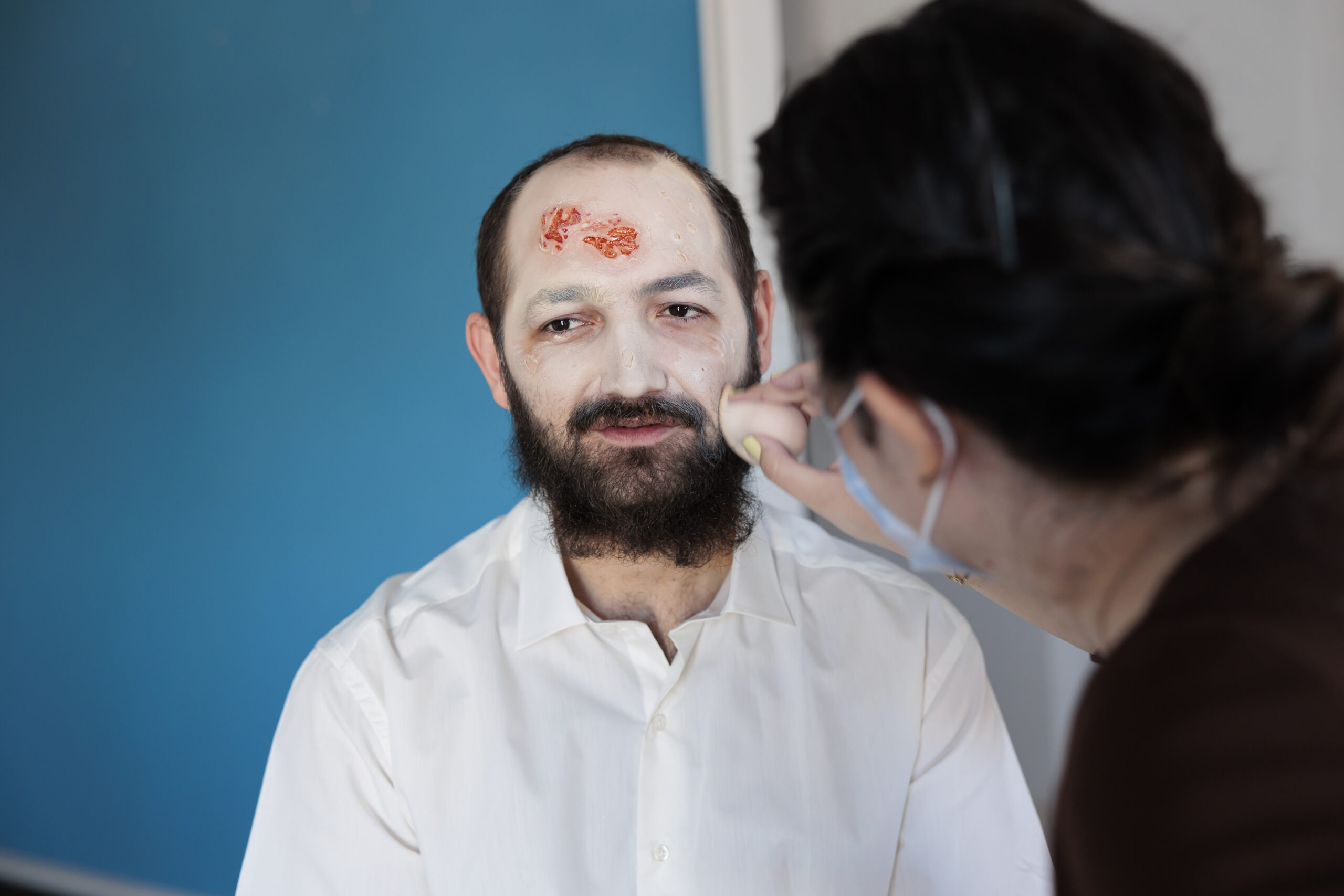
The landscape of dermatology has changed significantly in recent years, driven not only by scientific advancements but also by the rise of patient-generated content. Individuals living with chronic skin disorders, such as psoriasis, eczema, rosacea, hidradenitis suppurativa, and chronic acne, are increasingly turning to online spaces to document their journeys. This includes photos, videos, before-and-after progress updates, discussions about flare triggers, product reviews, and long-form storytelling. These contributions create a vibrant ecosystem of shared experiences that often holds as much power as clinical advice in shaping patient decisions.
The Emotional Reassurance Patients Gain From Shared Stories:
“Chronic skin disorders often affect more than the skin, they take a toll on emotional well-being, social comfort, and self-perception. When people encounter others openly sharing their struggles and successes, it creates a sense of validation. Many patients feel they are not simply fighting a skin condition; they are navigating stigma, unpredictability, and long-term maintenance that can be physically and emotionally exhausting. Reading or watching someone express similar feelings can be deeply reassuring. This emotional reassurance reduces the fear associated with trying a new treatment. If a patient sees someone describe a biologic, topical therapy, or lifestyle modification in a relatable, down-to-earth way, it can soften concerns and increase openness to medical intervention”. Says Shamsa Kanwal, M.D, Consultant Dermatologist, myhsteam.
How Real-World Experiences Complement Clinical Guidance:
“One of the most striking aspects of patient-generated content is its ability to provide real-world context around treatments. Clinical guidelines describe what a medication should do, but patient stories show how a treatment fits into everyday life. People share details clinicians might not always hear during brief appointments: how long a product takes to apply, whether it stains clothing, how it pairs with makeup, how it behaves in certain climates, or how it affects confidence during work or social activities. This type of insight fills in the gaps between clinical data and lived experience. Instead of replacing professional guidance, it enhances it. Patients often bring this information to their dermatologists, asking more informed questions and expressing specific concerns based on what they have seen online”. Says Adolfo Bula, CEO, Clinicasdelcaribe
The Power of Visual Progress and Before-and-After Narratives:
“Skin conditions are uniquely visual health concerns. As a result, patient-generated images and videos carry tremendous influence. Before-and-after photos, time-lapse healing updates, and honest depictions of flare-ups can illustrate treatment outcomes in ways that brochures or medication inserts rarely do. Visual storytelling helps patients imagine their own potential progress, making treatment decisions feel more tangible. These images can also set expectations. Many individuals believe that treatment results should be immediate or dramatic, and online content can either reinforce or correct these assumptions”. Says Dato’ Dr. S. Radhakrishnan, MD, globalhealth
The Role of Online Communities in Encouraging Treatment Exploration:
“Online communities, whether social media groups, forums, dedicated apps, or comment threads, serve as modern support networks. They connect people who may not know anyone in their daily lives with the same condition. These communities function as hubs of shared wisdom. Members exchange recommendations, compare routines, troubleshoot triggers, and offer compassionate support during flare-ups. For patients hesitant to seek medical help, these communities often become the first step toward treatment exploration. A person might begin by asking others about their experience with a certain prescription, dietary adjustment, or over-the-counter product. When they see multiple individuals describing noticeable improvement, they may feel encouraged to approach a dermatologist for formal evaluation”. Says Jose Fernando Castellanos, President, Sanitas
The Challenges and Misconceptions Born From User-Generated Information:
“Despite the many benefits of patient-generated content, clinicians must help patients navigate the challenges it presents. Not all information shared online is accurate, safe, or applicable to everyone. Some individuals may promote unproven remedies, misunderstand their diagnoses, or attribute improvements to factors unrelated to the treatment they highlight. This can create misconceptions, unrealistic expectations, or skepticism toward medically recommended therapies. Additionally, the popularity of “natural cures,” home remedies, or elimination diets can overshadow the importance of evidence-based care. While holistic strategies can complement dermatologic treatment, relying on them exclusively may delay appropriate medical intervention. It becomes essential for dermatologists to address these misconceptions with empathy rather than dismissal, acknowledging the patient’s perspective while guiding them back toward safe and effective options”. Says Moe Mohamed, CEO, Moe’s Group LLC
How Dermatologists Can Use Patient-Generated Content to Improve Care:
“Rather than viewing patient-generated content as competition, many dermatologists now see it as an opportunity. These shared experiences allow clinicians to gain insights into patient concerns, trends in misinformation, and common barriers to treatment adherence. By paying attention to what patients discuss online, providers can tailor their communication strategies, clarify misunderstood concepts, and address fears proactively during appointments. Some dermatologists incorporate discussions about online content directly into consultations. They may ask patients what they have seen, which stories resonated with them, or what questions they developed through social media exposure”. Says Dr. André Saffiedine, Director, Healthgroup
The Future of Patient Engagement and Shared Experiences in Dermatology:
“As chronic skin disorder communities continue to grow, patient-generated content will play an even larger role in shaping dermatologic care. More individuals are documenting their journeys from the moment of diagnosis, sharing real-time updates as they adopt new routines, trial new medications, or experience flare-ups. These stories contribute to a collective knowledge base that empowers others to seek help sooner, adhere to treatment more consistently, and recognize that improvement is a process rather than an overnight change. The future lies in collaboration rather than separation. Dermatologists and patients can work together to integrate personal experiences with clinical guidance. Digital platforms may increasingly partner with clinicians to ensure accuracy in shared content while preserving the authenticity that makes these stories meaningful”. Says Dr. Raúl Izaguirre, General Director, Centromedicoabc
Conclusion:
Patient-generated content has become a powerful force in shaping how individuals approach treatment for chronic skin disorders. By offering emotional support, real-world context, and relatable success stories, these shared experiences help patients make more informed and confident decisions. When combined with professional guidance, they create a balanced, compassionate, and empowering environment for long-term dermatologic care. As digital communities continue to expand, the partnership between clinical expertise and lived experience will only grow stronger.
Dorothy I. Johnson is the heart and soul of Flash Flyer Blog’s writing team. Dorothy loves storytelling and finds the extraordinary in everyday life. She has a unique voice for sharing travel stories, tech trends, wellness tips, and food finds. Her relatable style makes complex ideas easy to grasp. She also turns simple moments into captivating stories. Dorothy’s background and curiosity inspire her to make content that connects with readers. They can find either practical tips or new viewpoints in her work. When she’s not writing, she likes to explore new places. She experiments in the kitchen or dives into a new personal growth book.