Fashion in 2025 is experiencing a major shift not toward new silhouettes or seasonal colors, but toward personalization. Consumers want clothing and accessories that feel meaningful, unique, and tailored to their identity, and this growing demand has pushed custom-made pieces into the spotlight as some of the most collected items of the year. Platforms such as www.diehardcustom.com illustrate how personalization has moved from a luxury concept to an accessible, everyday expectation for fashion enthusiasts.
What began as a niche interest for style collectors has evolved into a full cultural movement, reshaping how people buy, wear, and value the items in their wardrobes.
From Mass Production to Personal Expression
For decades, fast fashion dominated the industry with its rapid trend cycles and low-cost replication of runway styles. But today’s consumers, especially Gen Z and younger millennials are demanding something different: authenticity.
Custom-made items allow people to express their identity in ways mass-produced pieces cannot. Instead of buying what everyone else owns, shoppers can add initials, select colors, choose materials, and collaborate directly on the design process. This shift reflects broader cultural values centered around individuality, creativity, and intentional living.
Fashion is no longer just about following a trend; it’s about telling a personal story.
The Rise of Limited Editions and Collectible Drops
Part of the appeal lies in scarcity. Custom-made fashion pieces often come in small-batch releases, limited editions, or one-of-one formats that make them highly collectible. When buyers know an item is unique or produced in extremely limited quantities, the emotional and aesthetic value increases.
Collectors gravitate toward:
- personalized scarves and wraps
- embroidered streetwear
- custom-lettered jackets
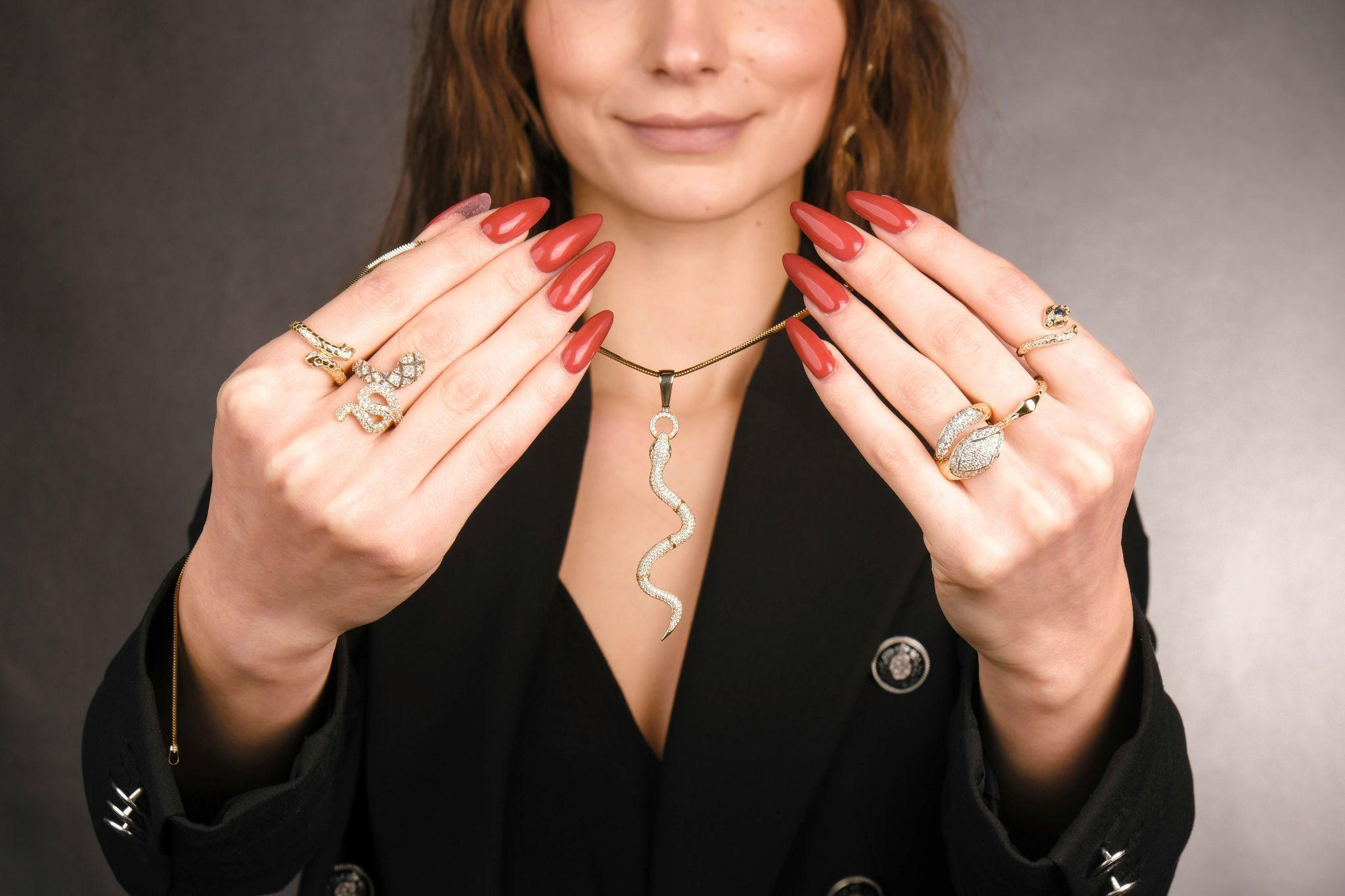
- bespoke accessories and charms
- one-off knits and handcrafted soft goods
These items carry a sense of exclusivity that modern consumers crave especially in a digital age where so much feels mass-replicated.
Why Consumers Are Willing to Wait (and Pay) for Custom Work

Custom pieces typically take longer to produce, yet shoppers continue to flock to them. Why?
A Deeper Emotional Connection
Designing or personalizing an item creates a personal bond; it feels like owning a small piece of art rather than simply purchasing a product.
Better Craftsmanship
Custom creators often emphasize higher-quality materials and careful handwork, making the items more durable and desirable for long-term collecting.
Giftability
Personalized fashion has become a go-to gift category, offering more meaning than generic products.
Sustainability Mindset
Consumers concerned about waste prefer fewer, high-quality pieces that last a core principle of the custom-made movement.
Technology Is Accelerating the Custom Revolution
Digital design tools, faster production methods, and improved on-demand manufacturing have transformed customization from a high-end luxury experience into a streamlined, user-friendly process.
Fashion platforms now offer:
- real-time previews of custom designs
- on-screen color and fabric simulations
- interactive pattern building
- AI-generated design suggestions
Consumers can experiment, iterate, and finalize unique pieces in minutes, a level of accessibility that didn’t exist even a few years ago.
Custom Scarves and Soft Accessories Are Leading the Trend
One of the fastest-growing categories is soft accessories: scarves, wraps, and knitwear. These pieces provide a perfect canvas for personalization, allowing customers to reflect team spirit, family identity, creative expression, or milestone celebrations.For many collectors, these items become signature pieces the ones people ask about, comment on, or try to replicate.
Social Media Is Fueling the Custom Fashion Boom
On platforms like Instagram and TikTok, creators frequently showcase their one-of-a-kind wardrobe items, driving curiosity and demand. Fashion influencers increasingly highlight:
- “designing my own accessory” videos
- behind-the-scenes customization clips
- unboxing limited-release custom drops
- styling tutorials featuring personalized pieces
This content not only boosts interest but also inspires others to explore customization themselves.
The result? A positive feedback loop where custom fashion gets more visibility, more demand, and more cultural relevance.
The Future of Custom Fashion: Community, Collaboration, and Creativity
Industry experts predict that personalization will only expand in the coming years as technology evolves and consumers look for deeper self-expression in their wardrobes. Brands are beginning to experiment with:
- customizable sustainable materials
- artist-led design collaborations
- personalization-as-a-service
- limited-run drops curated by communities or micro-creators
Rather than buying pieces designed for the masses, individuals will build wardrobes that reflect their personal stories, values, and aesthetics.
And as the trend continues to grow, custom-made fashion may become not just a collectible category but the new standard for what modern consumers expect.

Jared H. Furness is a well-known sports analyst and writer. He is known for his skill in player stats in sports like football, basketball, and baseball. Jared has a sharp eye for detail and a passion for uncovering stories behind the numbers. He is known for writing detailed, SEO-friendly articles. They attract both fans and professionals.
His work often appears on major platforms. It offers detailed breakdowns of player performances, game highlights, and strategic insights. Jared makes complex statistics easy to understand and engaging. His articles, like the Boston College Eagles vs. UVA game analysis and the Arizona Diamondbacks vs. Miami Marlins match, show his talent for mixing data analysis with engaging stories.
Jared is known for producing human-written, plagiarism-free content. His pieces rank well on Google. This helps fans and analysts easily find his expert views on key matchups. Jared H. Furness raises the bar in sports stats journalism. He highlights Bobby Witt Jr.’s amazing plays and key moments in EuroLeague basketball.