

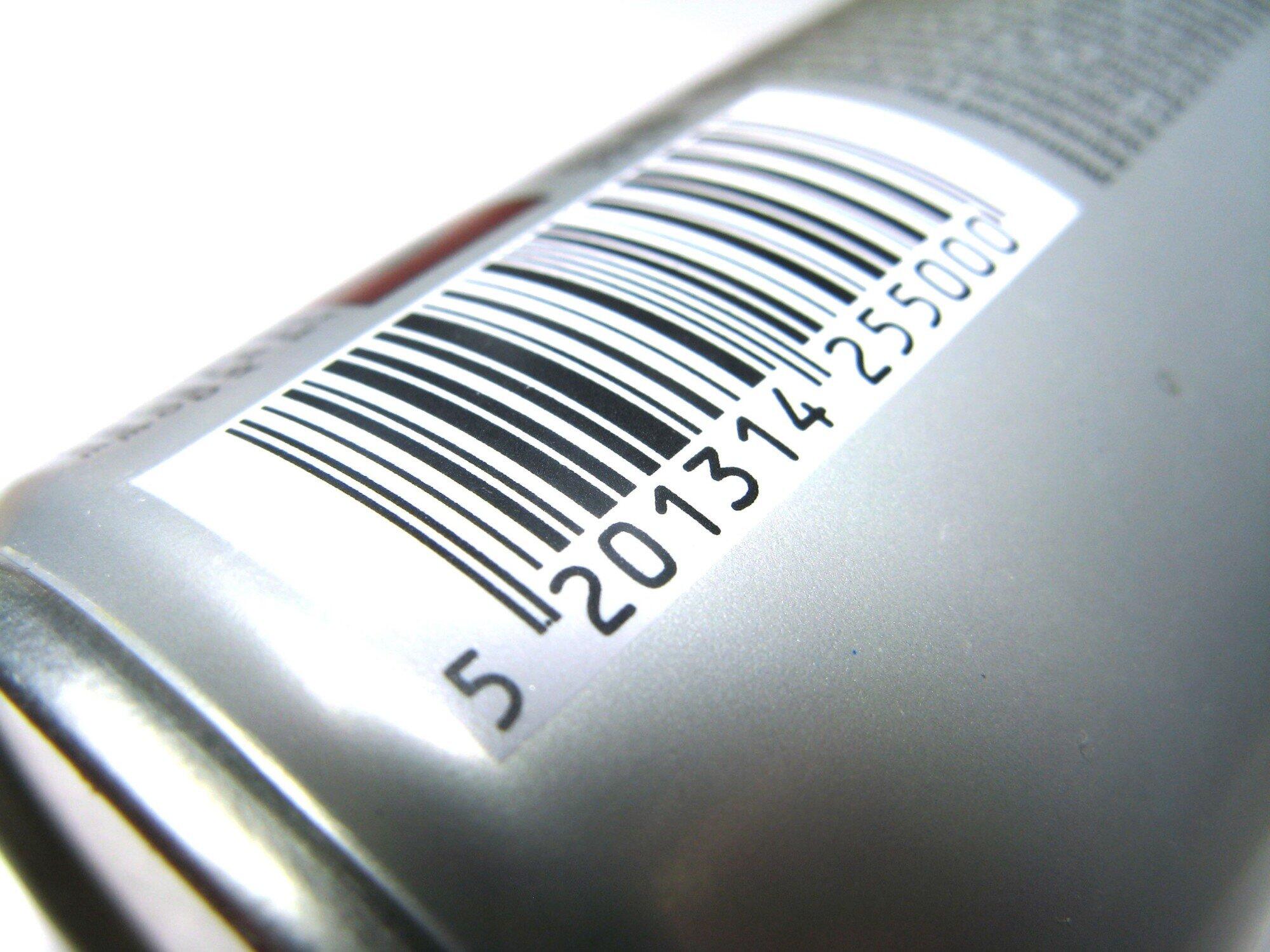
Barcode technology is something we use almost every day, often without noticing it. From scanning groceries at the store to tracking packages as they move around the world, barcodes help businesses stay organized and make operations faster and more accurate.
Learning how barcode technology has evolved shows how a simple idea developed into a powerful tool that supports modern life and global communication. Read on.
The Origins of Barcode Technology
The idea for the barcode began in the late 1940s. Bernard Silver and Norman Joseph Woodland wanted to find a way to speed up the checkout process in grocery stores. Woodland took inspiration from Morse code and drew the first version of a barcode in the sand using lines to represent information.
They received a patent in 1952, but the world was not yet ready for barcodes. Early computers and scanners were too basic to use the technology effectively, so the idea stayed mostly theoretical for several years. Check out https://thebarcodegroup.com/ to learn more.
The Rise of the Universal Product Code
Barcode technology finally gained momentum in the 1970s with the creation of the Universal Product Code (UPC). Developed by IBM engineer George Laurer, the UPC was a simple, practical, and easy-to-scan design. It worked well with the new generation of checkout scanners that were starting to appear in stores.
A major milestone occurred in 1974 when a pack of Wrigley’s gum became the first product ever scanned using a UPC. This moment demonstrated that barcodes could dramatically speed up checkout lines, reduce errors, and make inventory tracking much more efficient. Soon after, UPC barcodes became standard in retail.
The Shift to 2D Barcodes
As more industries began using barcodes, the limitations of traditional one-dimensional (1D) barcodes became clear. They could only hold a small amount of information and had to be scanned in a very precise way.
This led to the development of two-dimensional (2D) barcodes in the late 1980s and early 1990s. Unlike 1D barcodes, 2D barcodes store information both vertically and horizontally, allowing them to hold far more data.
The best-known example is the QR code, introduced by Denso Wave in 1994. QR codes were originally created to track car parts, but they quickly became popular in many other areas because they can store web links, text, and other data. They also include error-correction features that allow them to be scanned even if part of the code is damaged.
Modern Innovations in Barcode Technology
Barcode technology continues to expand and improve. Newer options such as digital watermarks, augmented-reality codes, and RFID tags offer even more ways to store and read information. RFID tags, while not technically barcodes, allow multiple items to be scanned from a distance, making them useful in warehouses, shipping centers, and large-scale inventory systems.
Smartphones have also changed how we interact with barcodes. With built-in cameras and scanning apps, people can now use barcodes for:
- mobile payments
- digital tickets
- product information
- and more
Embracing the Change
The evolution of barcode technology shows how a simple idea can grow into a key part of everyday life. From early line patterns to advanced digital codes, barcodes have helped businesses increase speed, accuracy, and efficiency. As technology continues to change, barcode systems-and the innovations inspired by them-will remain essential tools for connecting information in a modern, digital world.
If you want to read more articles, visit our blog.