
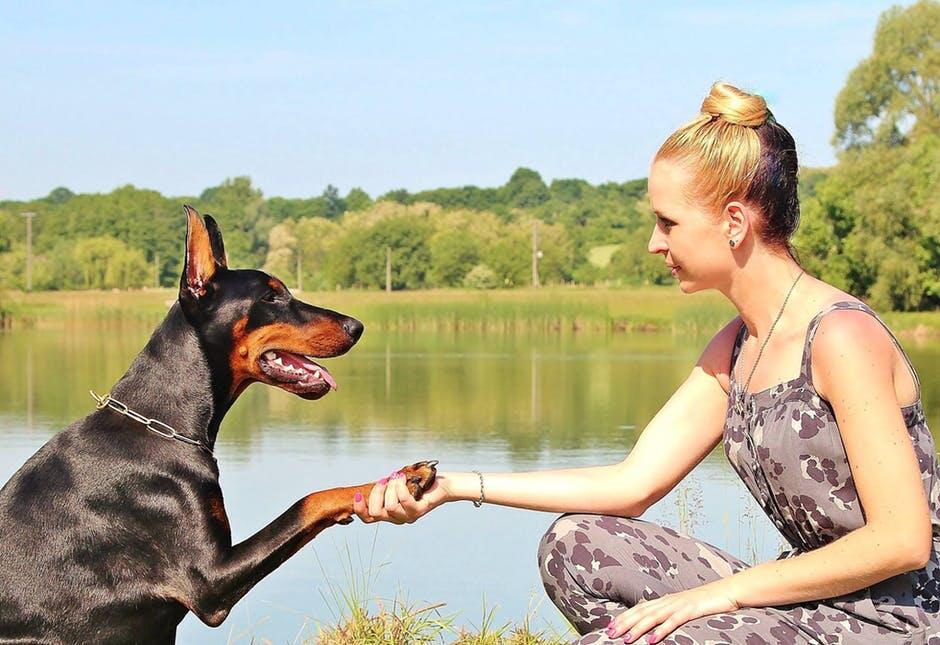
Getting a new dog is exciting. Puppies and adult dogs bring joy, love, and energy to your home. They can make you smile every day. But a happy dog also needs training. Training helps your dog behave well, stay safe, and enjoy life. A well-trained dog is easier to take care of. The sooner you start training, the easier it will be for both you and your dog.
Training is not just about rules. It is also about building a strong bond. When your dog learns and listens, you will feel closer to your pet. You will enjoy walks, playtime, and visits to the park more. Keep reading to learn the top 11 dog training tips for new dog owners.
1. Understand Your Dog’s Personality
Every dog is different. Some dogs are calm. Some dogs are very active. Some dogs are shy, while others are friendly. “Know Your Dog” means understanding your dog’s personality, energy level, and needs. This helps you choose the right training methods and build a stronger bond.
Understanding your dog’s personality is the first step to training. If your dog likes to play, you can use toys in training. If your dog likes treats, use treats to reward them. Knowing your dog makes learning easier. It also makes training fun for both of you.
Dogs learn best when training matches their personality. A small, shy dog may need gentle encouragement. A playful dog may respond better to games and active rewards. Observe your dog every day. Notice what makes your dog happy and what scares your dog. This helps you plan your training.
2. Start With Basic Commands
Start training with easy commands. Words like “sit,” “stay,” “come,” and “down” are simple. Use short words. Use hand gestures. Show your dog what you want them to do. Repeat commands often. Every time your dog does it right, give praise or a treat.
Basic commands are the foundation for all training. Once your dog knows the basics, you can teach more complicated commands. Basic commands also help keep your dog safe. For example, “come” can stop your dog from running into danger. Practice these commands several times a day. Make it fun and positive.
3. Use Positive Reinforcement
Dogs learn best with rewards. Treats, praise, and petting encourage good behavior. Positive reinforcement is better than punishment. Punishing your dog can make it scared or confused. Dogs need to feel safe while learning.
When your dog follows a command, reward them right away. A happy dog will want to repeat the behavior. Use treats, toys, or words like “good dog.” Positive reinforcement builds trust. It also makes learning enjoyable. Remember, training should be a happy experience, not a scary one.
4. Keep Training Sessions Short
Dogs have short attention spans. Do not train for too long at once. Five to fifteen minutes is enough. Have two or three short sessions every day. Short sessions help your dog stay focused. They also help your dog remember what they learned.
Long sessions can make your dog tired or frustrated. End each session on a positive note. Praise your dog, even if they only do part of the command. Short, frequent training is better than one long session. It keeps learning fun and stress-free.
5. Be Consistent
Consistency is very important. Always use the same words and gestures. Everyone in the family should follow the same rules. If you allow something one day but not the next, your dog will be confused.
Consistency also applies to rewards. If your dog does a good behavior, reward it every time. Do not reward sometimes and ignore it other times. Dogs learn through repetition. The more consistent you are, the faster your dog will understand.
6. Socialize Your Dog
Dogs need to meet new people and other animals. Take your dog to parks, pet-friendly stores, or playdates. Socialization helps dogs feel comfortable in different situations. It reduces fear and aggression.
7. Set a Routine
Dogs like routines. Feed, walk, and train your dog at the same times every day. A schedule helps your dog feel safe and know what to expect. Routines also make potty training easier.
8. Be Patient
Training takes time. Dogs learn at different speeds. Some commands may take days or weeks to master. Do not get frustrated if your dog does not understand quickly.
Stay calm and give gentle guidance. Celebrate small wins. Every step counts. Be patient and consistent. A calm owner makes a calm dog. Training works best when both you and your dog feel happy and relaxed.
9. Use a Crate Wisely
A crate can be a safe place for your dog. It helps with potty training and prevents destructive behavior. Make the crate comfortable with blankets and toys.
Never use the crate as punishment. Dogs should see it as a positive space. Give your dog treats or toys in the crate. Let them rest and feel safe inside. Crate training helps your dog learn boundaries and feel secure.
10. Ask for Help When Needed
Some behaviors are hard to train alone. Aggression, stubbornness, or anxiety may need professional guidance. A trainer can provide tips, techniques, and solutions tailored to your dog’s needs. Getting help early saves time, frustration, and stress for both you and your pet.
Do not feel bad for asking for help. Trainers have experience and know how to fix difficult problems. You will feel more confident, and your dog will be happier. Professional guidance can make a big difference in training success.
11. End Training on a Positive Note
End training on a positive note every time. Finish with a command your dog already knows well. This helps your dog feel successful and confident. A good ending makes training enjoyable.
Praise your dog with kind words, treats, or gentle petting. Even small wins matter and build trust. Dogs remember happy moments. When training feels good, your dog will be eager to learn again.
Build a Strong Bond With Training
Training your dog is more than teaching rules. It creates trust, respect, and a strong bond. Using these top 11 tips makes learning fun, safe, and effective. Every small step, reward, and practice session strengthens your connection.
Start today and enjoy every moment with your furry friend. A well-trained dog is a joyful dog. You will both enjoy a life filled with love, fun, and trust. Expand your knowledge and check out more posts on our blog to learn new ways to help your dog succeed.