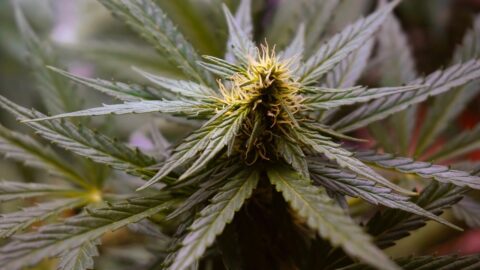
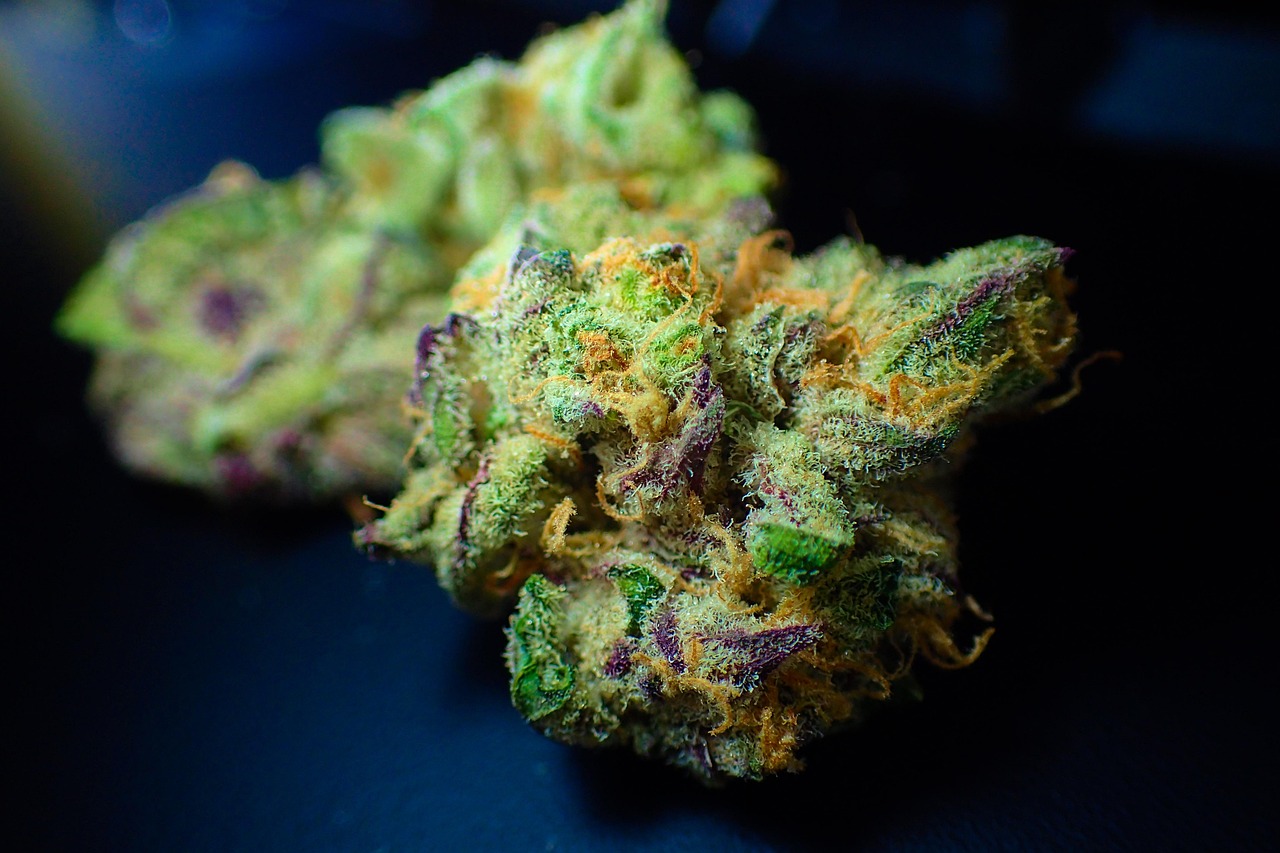
Image by David Cardinez from Pixabay
For cannabis enthusiasts seeking energy, creativity, or an uplifting mood boost, sativa strains have long been the go-to choice. As cultivation becomes more sophisticated, the quest for the strongest sativa has intensified, leading to high-potency strains that promise an unparalleled experience. This article serves as your comprehensive guide to the world of high-potency sativas, exploring what makes these strains potent and how to select the right one for you.
Understanding Sativa & Sativa-Dominant Hybrids
Before diving into high-potency sativas, it’s essential to understand the fundamentals. The terms sativa, indica, and hybrid are the bedrock of cannabis classification, though their meanings have evolved to primarily predict a strain’s likely effects rather than just geographical origins.
What is a Pure Sativa vs. a Sativa-Dominant Hybrid?
A pure sativa is a cannabis strain with genetics that trace back to original sativa landraces native to hot, dry climates with long, sunny days, such as those in Central America, Southeast Asia, and Africa.
These strains are known for their uplifting, cerebral, and energizing effects. Phenotypically, sativa plants are tall and thin with narrow leaves and a longer flowering cycle than indicas. However, true pure sativas are rare in today’s market. Most dispensaries carry sativa-dominant hybrids.
Cannabis breeders[1] create these hybrids by crossing sativa strains with indica or other hybrid strains to capture the desirable uplifting effects while improving cultivation traits like flowering time, yield, or flavor profile. A sativa-dominant hybrid still delivers the energetic and creative buzz associated with sativas but may have subtle undertones of physical relaxation from its indica lineage.
What Makes a Sativa Strong?
The strength of a sativa strain is multifaceted, going beyond just THC percentage. Several factors contribute to the powerful experience a strong sativa delivers.
- High THC Percentage: THC is the primary psychoactive compound responsible for the high you feel. A sativa with 20% or higher THC content is generally considered strong, with some strains exceeding 30%. This high concentration produces the intense cerebral effects many users seek from sativas.
- Terpenes & the Entourage Effect: Terpenes are aromatic compounds responsible for a strain’s unique flavor and aroma, but they also work in synergy with cannabinoids like THC to enhance their effects, a phenomenon called the entourage effect. A 2022 study found that terpinolene and myrcene are key characteristics of many sativa strains. Other common sativa terpenes include limonene, citrusy, mood-lifting, and pinene, pine-like, which promotes alertness. This interplay creates a more nuanced experience than THC alone.
- Environmental and Cultivation Influences: How a cannabis plant is grown significantly impacts its final potency. Light cycles, nutrient regimens, and curing processes all influence cannabinoid and terpene development. Experienced cultivators manipulate these variables to maximize a strain’s genetic potential.
Strongest Sativa & Sativa-Dominant Strains to Try
Navigating the world of high-potency sativas can be both exciting and overwhelming. To help you on your journey, we’ve compiled a list of some of the most powerful and popular sativa and sativa-dominant strains available. Each of these strains offers a unique combination of potency, flavor, and effects that make them stand out in the crowded cannabis marketplace.
Durban Poison
Often called the espresso of cannabis, and for good reason. This legendary pure sativa from Durban, South Africa, delivers a highly energetic and focused experience with THC content ranging from 19-20%. Its sweet and earthy flavor profile features distinct piney and citrusy notes, thanks to its rich concentration of terpinolene and myrcene. Unlike some high-potency sativas, Durban Poison rarely causes anxiety or racing thoughts, making it perfect for daytime productivity.
Jack Herer
Named after the legendary cannabis activist, it is a sativa-dominant hybrid with THC levels around 18-23%. This strain provides a blissful, clear-headed, and creative high that’s ideal for creative endeavors and social gatherings. Its complex aroma blends earthy, piney, and spicy notes, creating an experience that’s both uplifting and grounding.
Sour Diesel
It is an icon in the cannabis world, recognizable by its pungent diesel-like aroma with hints of lemon. With THC content ranging from 19-25%, this strain delivers a fast-acting cerebral high that melts away stress and fatigue. Its primary terpenes, caryophyllene, limonene, and myrcene contribute to its distinctive flavor and mood-lifting effects, making it a popular morning strain.
Green Crack
It is a sativa-dominant hybrid with THC levels ranging from 17-25%. This strain is perfect for those days when you need sharp mental focus and sustained energy. Its tangy, fruity flavor with hints of mango comes from its dominant terpene, myrcene, creating an invigorating experience that keeps you productive for hours.
Super Silver Haze
Embodies everything great about classic Haze strains. With THC content ranging from 18-23%, this strain provides a long-lasting, energetic, and euphoric high perfect for social situations. Its spicy, citrusy flavor with a hint of skunk makes it a favorite for evening gatherings where you want to stay engaged and talkative.
How to Choose the Right Strong Sativa
With so many potent sativa strains available, finding the right one requires considering a few key factors.
- Consider Your Tolerance and Goals: If you’re new to cannabis or have a low tolerance, start with a lower-THC sativa or sativa-dominant hybrid. Think about your goals. Are you seeking energy for a workout, creative inspiration for a project, or a mood boost for socializing? Different strains excel in different areas, so having a clear goal helps you make an informed choice.
- Avoiding Anxiety and Paranoia: Strong sativas can sometimes trigger anxiety or paranoia, especially in those prone to these conditions. Look for strains with a balanced cannabinoid profile that includes a small amount of CBD to counteract THC’s psychoactive effects. Starting with a low dose in a comfortable environment also helps mitigate these risks.
- Reading Labels and Lab Results: When shopping for cannabis, the label provides essential information, including THC and CBD content, terpene profile, and harvest date. Look for products tested by third-party labs for the most accurate information. Don’t hesitate to ask your budtender for help interpreting lab results or for recommendations based on your needs.
Cultivation & Storage Tips for Maximum Potency
For those who are interested in growing their own high-potency sativas, or for those who simply want to ensure that their purchased products stay fresh and potent for as long as possible, proper cultivation and storage are absolutely essential to maintaining quality.
Growing Strong Sativas
Sativa plants thrive in warm, dry climates with long sunny days, which is why they originally evolved in equatorial regions. When growing indoors, you’ll need to replicate these conditions. Lighting is critical to provide plenty of intense light on a 12/12 light cycle (12 hours light, 12 hours darkness) during flowering. Many growers use high-intensity discharge (HID) lamps or full-spectrum LED grow lights for optimal results.
Sativas have a longer flowering period than indicas, often taking 10-12 weeks to fully mature. This extended time allows plants to develop high THC content and complex terpene profiles, but requires patience.
During the vegetative stage, sativas can grow quite tall, sometimes six feet or more indoors, so many growers employ training techniques like topping, low-stress training (LST), or Screen of Green (SCROG) to manage height and encourage bushier growth.
For nutrients, provide a balanced regimen that changes through the life cycle. During vegetative growth, plants need higher nitrogen levels for leaf and stem development. During flowering, shift to higher phosphorus and potassium to support bud development.
Stop feeding nutrients two to three weeks before harvest. Perform a process known as flushing to help your buds develop a clean, smooth flavor. Flushing involves watering plants with plain, pH-balanced water to remove residual nutrients that can leave a harsh taste.
Temperature and humidity control are vital. During vegetative growth, aim for 70-85°F (21-29°C) with 40-60% relative humidity. During flowering, lower the humidity to 40-50% to prevent mold and mildew. Proper air circulation throughout the grow cycle strengthens stems, prevents pests, and ensures even CO2 distribution for photosynthesis.
How to Preserve Potency Post-Harvest
The way you store cannabis after harvest significantly impacts its potency and flavor. To keep your sativa strains fresh and powerful for months, protect them from the four main enemies:
- Light
- Air
- Heat
- Moisture
Store cannabis in an airtight glass jar; mason jars work perfectly in a cool, dark place like a cupboard. Glass is ideal because it doesn’t impart flavors and creates a perfect seal. Avoid plastic bags or containers, as they create static electricity that pulls trichomes off the flower and don’t provide an airtight seal.
Temperature is critical for long-term storage. The ideal range is 60-70°F (15-21°C). Temperatures above 77°F (25°C) cause cannabis to dry out and degrade, while temperatures too low can slow decarboxylation. Never store cannabis in the refrigerator or freezer, as fluctuating temperatures cause condensation and mold growth.
Humidity control is equally important. The sweet spot is 55-62% relative humidity. Too much moisture leads to mold and mildew, while too little causes dry, brittle flowers with degraded terpenes and harsh smoke. Using a two-way humidity control pack like Boveda or Integra Boost maintains ideal moisture levels automatically.
Light exposure is one of the fastest ways to degrade THC and terpenes. UV rays break down cannabinoids over time, so always store cannabis in a dark place or use amber-colored glass jars that filter harmful light wavelengths.
Signs of Quality vs. Degraded Flower
Knowing how to identify fresh, high-quality cannabis versus degraded flower is essential. Fresh cannabis has a vibrant color, typically bright green with possible purple, orange, or red accents. The buds should be dense but not overly compressed, with visible trichomes giving them a frosty appearance. Fresh cannabis feels slightly sticky and resinous from the trichome-rich surface.
The aroma is one of the most telling quality indicators. Fresh cannabis has a strong, pleasant, distinctive smell reflecting its terpene profile. Sativas often have bright, citrusy, piney, or spicy aromas. A rich, pungent scent is a good sign; it should be inviting and complex, not musty or hay-like.
A degraded flower is dry and brittle, crumbling easily when handled. The color is usually faded, dull brown or yellowish-green, and trichomes are less visible or absent. Degraded cannabis has a weak aroma or musty, moldy, hay-like smell, indicating evaporated terpenes or improper storage.
If cannabis has lost its characteristic scent and flavor, it has also lost significant potency. While it may still contain some THC, the experience will be diminished. The smoke or vapor will be harsh and unpleasant, with weaker effects. If you see mold signs such as white, gray, or black fuzzy spots, discard the cannabis immediately, as consuming moldy cannabis can harm your health.
FAQs
Can a strong sativa strain make me anxious?
Strong sativa strains can sometimes cause anxiety or paranoia, especially in high doses or in individuals who are prone to anxiety. This is due to the high concentration of THC, which can be overstimulating for some people. To minimize the risk of anxiety, it’s best to start with a low dose and choose strains that have a more balanced cannabinoid profile.
How much THC is too much for beginners?
For beginners, it’s generally recommended to start with a strain that has a lower THC content, typically in the 10-15% range. Anything above 20% is considered high potency and should be approached with caution. It’s also a good idea to start with a very small dose, such as a single puff or a low-dose edible, and wait to see how it affects you before consuming more.
Is there a best time to use a high-potency sativa?
High-potency sativas are generally best suited for daytime use, as their energizing effects can interfere with sleep. They are a great choice for a morning or afternoon pick-me-up, or for any situation where you need a boost of energy and focus. However, it’s important to be mindful of your own body’s response, as the effects can vary from person to person.
What’s the difference between a sativa and a hybrid?
A sativa is a type of cannabis that is known for its uplifting and energizing effects, while a hybrid is a cross between a sativa and an indica strain. Sativa-dominant hybrids will still primarily deliver the energetic buzz of a sativa, but they may also have some of the relaxing and calming effects of an indica. The vast majority of strains on the market today are hybrids.
How can I tell if a strain is really potent?
The best way to tell if a strain is potent is to look at its lab results. The THC content is the most common indicator of potency, with anything over 20% being considered high. However, it’s also important to consider the terpene profile, as this can have a significant impact on the overall effects of the strain. A strain with a rich and complex terpene profile is likely to be more potent and flavorful than a strain with a lower terpene content.
Conclusion
The world of high-potency sativas offers a wide range of experiences for cannabis enthusiasts. From the energizing buzz of Durban Poison to the creative inspiration of Jack Herer, there’s a strong sativa strain for everyone. The key to finding the right one lies in understanding the factors that contribute to potency, THC content, terpene profile, and cultivation methods.
Whether growing your own or purchasing from a dispensary, proper storage and handling preserve potency and flavor. By starting with a low dose, paying attention to your body’s response, and choosing strains from reputable sources, you can safely explore high-potency sativas and unlock new levels of energy, creativity, and focus.
external do follow

Dorothy I. Johnson is the heart and soul of Flash Flyer Blog’s writing team. Dorothy loves storytelling and finds the extraordinary in everyday life. She has a unique voice for sharing travel stories, tech trends, wellness tips, and food finds. Her relatable style makes complex ideas easy to grasp. She also turns simple moments into captivating stories. Dorothy’s background and curiosity inspire her to make content that connects with readers. They can find either practical tips or new viewpoints in her work. When she’s not writing, she likes to explore new places. She experiments in the kitchen or dives into a new personal growth book.