

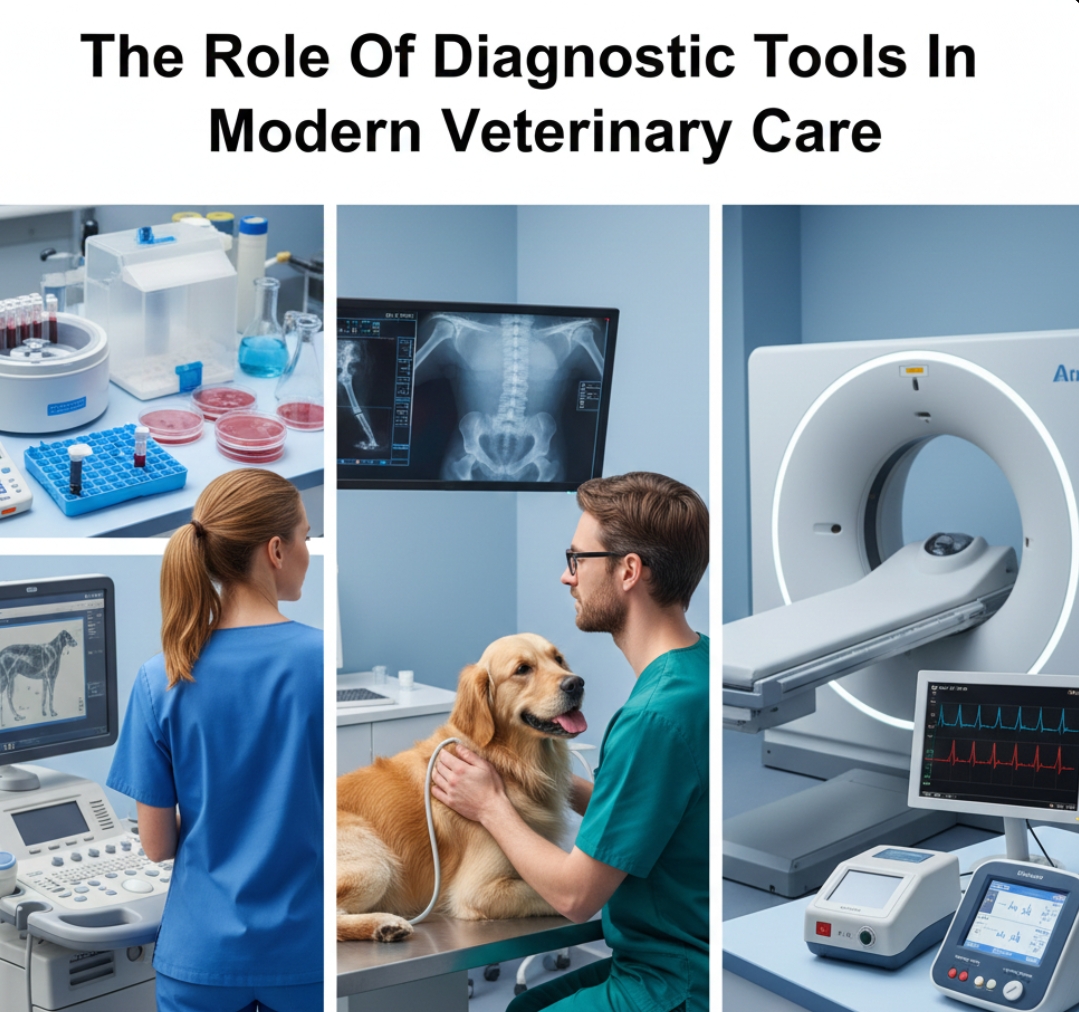
Modern veterinary care has evolved far beyond basic examinations and observational assessments. These days, diagnostic techniques are essential for spotting health problems early, directing treatment choices, and enhancing animal outcomes. As veterinary medicine continues to advance, the use of reliable and precise diagnostic tools has become essential for delivering high-quality, compassionate care. By integrating advanced veterinary diagnostics into everyday practice, veterinarians can make informed decisions that improve accuracy, reduce treatment delays, and support better long-term health outcomes for animals.
Advancing Accuracy In Animal Health Assessment
Diagnostic tools allow veterinarians to move beyond surface-level symptoms and gain a clearer understanding of what is happening inside an animal’s body. While physical exams remain important, many conditions cannot be accurately diagnosed through observation alone. Blood analysis, imaging, and laboratory testing provide measurable data that support more confident clinical decisions.
Accurate diagnostics reduce guesswork and help ensure that treatment plans are based on objective findings. When handling complicated or overlapping symptoms that could otherwise result in an incorrect diagnosis or a delay in treatment, this degree of accuracy is essential.
Supporting Early Detection And Preventive Care
One of the most significant benefits of diagnostic tools is their ability to detect health concerns at an early stage. Many illnesses progress quietly before outward signs become noticeable. Routine diagnostic screening allows veterinarians to identify changes in organ function, infection markers, or metabolic balance before serious damage occurs.
Early detection not only improves treatment success but also reduces long-term costs and discomfort for animals. Preventive diagnostics support proactive care strategies, helping pets maintain better health throughout their lives rather than reacting only when illness becomes advanced.
Enhancing Treatment Planning And Monitoring
Diagnostic tools play a critical role in shaping effective treatment plans. Once a condition is identified, test results help determine the most appropriate course of action, whether that involves medication, dietary changes, surgery, or ongoing monitoring.
Diagnostics also allow veterinarians to track how an animal responds to treatment over time. Follow-up testing can confirm whether a therapy is working or if adjustments are needed. This ongoing feedback ensures care remains responsive and tailored to each individual patient’s needs.
Improving Safety And Reducing Unnecessary Procedures
Modern diagnostic tools contribute to safer veterinary care by minimizing unnecessary treatments or invasive procedures. Accurate diagnostics help rule out conditions, preventing animals from undergoing treatments that may not be beneficial or appropriate.
By identifying the root cause of symptoms, veterinarians can avoid trial-and-error approaches. This not only protects animal well-being but also builds trust with pet owners who value clear explanations and evidence-based recommendations.
Supporting Specialized And Emergency Care
In emergency and specialized veterinary settings, diagnostic tools are especially valuable. Rapid testing and imaging can provide critical information during time-sensitive situations, allowing veterinarians to act quickly and effectively.
For animals with chronic conditions or complex medical histories, advanced diagnostics support specialized care plans. These tools help manage long-term conditions by offering insights into disease progression and overall health stability.
Strengthening Communication With Pet Owners
Diagnostic results play an important role in communication between veterinarians and pet owners. Clear data helps explain diagnoses, treatment options, and expected outcomes in a more understandable way. When pet owners can see test results and trends, they are more likely to feel informed and involved in their animal’s care.
This transparency strengthens collaboration and encourages adherence to treatment plans. Diagnostic tools provide a shared reference point that supports informed decision-making and realistic expectations.
Driving Innovation In Veterinary Medicine
The growing use of diagnostic tools reflects broader innovation within veterinary medicine. Advances in testing accuracy, speed, and accessibility continue to shape how care is delivered. As technology improves, diagnostic tools become more efficient and less stressful for animals, enhancing the overall care experience.
Ongoing innovation also supports continued learning for veterinary professionals, allowing practices to stay aligned with current standards and emerging best practices.
A Foundation For Quality Veterinary Care
Diagnostic tools are a cornerstone of modern veterinary care, supporting accurate diagnoses, early intervention, and personalized treatment. By providing reliable insights into animal health, these tools empower veterinarians to deliver care that is precise, proactive, and compassionate. As veterinary medicine continues to evolve, diagnostic tools will remain essential in promoting healthier, longer lives for animals under professional care.