

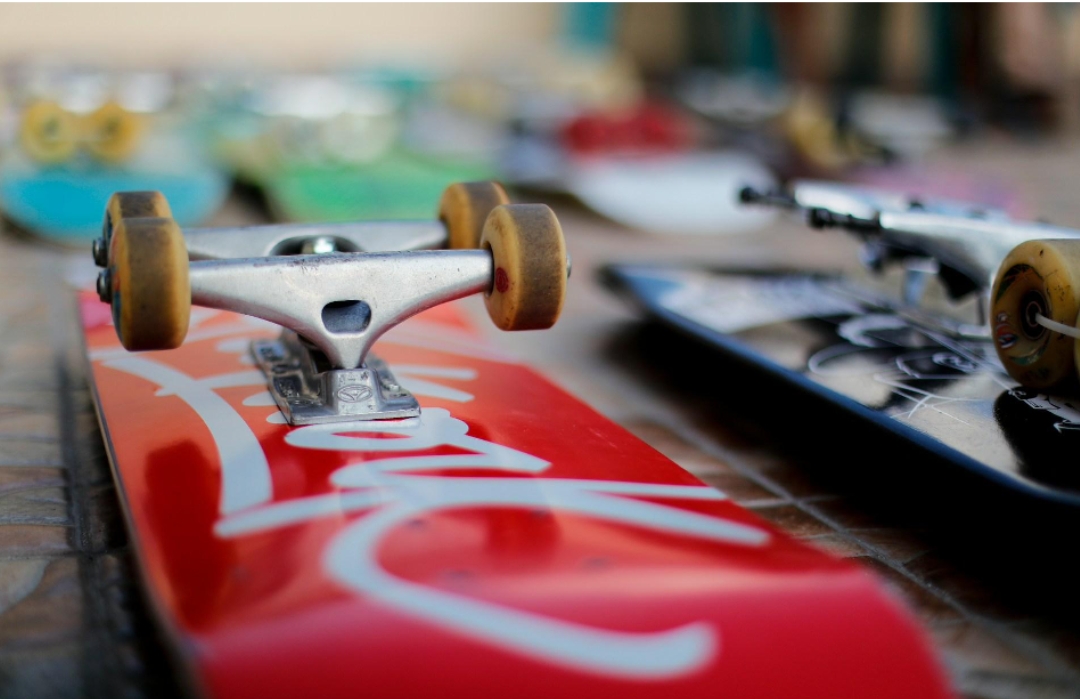
So here’s the thing about skateboard gear that nobody really tells you upfront. When you first start, everything feels kinda the same. You’re just trying not to fall off. But once you’ve been skating for like six months or a year? You suddenly start noticing these massive differences between cheap stuff and quality gear. It’s wild how obvious it becomes.
Spent my entire first year riding this basic complete I bought for like $120. Thought it was perfectly fine. Then my friend Marcus let me try his setup one day at the park — proper deck, Independent trucks, Spitfire wheels, Bones bearings. The difference was honestly shocking. Everything felt smoother, more responsive, just… better. Ended up slowly rebuilding my whole setup over the next three months. Painful for my wallet but absolutely worth it.
Nobody mentions this when you’re starting: all skateboards are definitely not created equal. Can’t just grab whatever’s cheapest at the store and expect the same experience as quality gear. I wasted probably $200 on garbage that broke fast or performed terribly. Would’ve saved money long-term just buying decent stuff from the beginning. Live and learn I guess.
Deck Construction Details
Seven-ply maple is still the standard construction. Been that way for decades, works great. Some higher-end brands add carbon fiber strips between the wood layers for extra pop and durability. Others use special pressing techniques that supposedly create more consistent concave. Does any of this actually matter? Depends how often you skate and what you’re doing.
If you’re skating every day and doing lots of tricks, yeah, construction quality matters. Casual weekend skater? Probably not as much. I notice the difference now because I skate four or five times a week, but when I was just cruising occasionally it didn’t matter that much.
Graphics are awesome — I’ve definitely bought decks purely because the art was sick. Got this one with a dragon on it that I still haven’t skated because it looks too cool to scratch up. But realistically, focus on construction and shape first, graphics second. Different shapes work better for different styles. Popsicle shapes dominate street skating because they’re symmetrical. You can ride them either direction which is useful. Old school shapes with the pointy nose are coming back for cruising though. They actually look rad and work better for just transportation.
Width matters more than people think. Started on an 8.0 inch deck, felt too narrow after a while. Moved to 8.25, that was better. Now I ride an 8.5 and it feels perfect for me. Wider boards are way more stable especially for transition skating. Personal preference though — my friend rides a 7.75 and loves it.
Trucks Are Surprisingly Important
Cheap trucks feel sketchy as hell and break so much easier than quality ones. Had a budget truck literally snap on me once mid-ollie. Scared the crap out of me. Quality trucks use better metal alloys, precision machining, proper geometry. They’re heavier at first but modern premium ones use hollow kingpins and axles to reduce weight without sacrificing strength.
Matching truck width to deck width seems obvious but people mess this up constantly at the skate shop. I’ve watched it happen. Your trucks should be roughly the same width as your deck, maybe slightly narrower. Too narrow and you feel unstable. Too wide and everything gets weird.
Bushings are super underrated. They’re those rubber cone things inside your trucks that affect how they turn. Softer bushings give more carve — great for cruising around. Harder bushings are stable at speed, better for technical street skating. I run medium-hard as a compromise between the two. Took me forever to figure out what I liked. Just experiment when you get a chance.
Wheel Stuff
Durometer is how they measure wheel hardness. Higher number means harder wheel. Street skating usually runs 99a to 101a because they’re fast and slide predictably. Cruising needs softer wheels, like 78a to 87a, to absorb all the rough pavement and random pebbles. Makes such a huge difference on crappy roads.
I’ve got two complete boards now specifically because swapping wheels got annoying. One has hard wheels for park sessions and street skating. Other one has soft wheels for commuting and cruising to the store. Game changer honestly. Used to carry a skate tool everywhere to swap wheels depending on what I was doing. Pain in the ass.
Wheel diameter affects acceleration and speed maintenance. Smaller wheels like 50-53mm give quicker response, board sits lower. Some people prefer that feeling. Larger wheels around 54-60mm roll over obstacles easier and maintain speed better. Think about where you mostly skate. Smooth skatepark? Smaller wheels work great. Rough streets? Go bigger.
Bearing Maintenance
ABEC ratings are kinda misleading honestly. Learned this after dropping $60 on ABEC-9 bearings that still felt mediocre. Turns out ABEC measures manufacturing precision but doesn’t account for materials or design. Quality bearings use better steel and tighter tolerances. They spin smoother, last way longer.
Clean your bearings every couple months. Pop them out, soak in bearing cleaner or isopropyl alcohol, let them dry completely, add bearing lube. Takes maybe ten minutes. Makes a massive difference in how everything rolls. Neglecting this makes even expensive bearings feel like garbage over time.
When bearings start sounding crunchy or gritty, that’s your sign. Don’t wait till they completely seize up like I did once. Couldn’t even push my board, bearings were that far gone. Five minutes of regular maintenance beats buying new bearings constantly.
Grip Tape Considerations
How you apply grip tape matters as much as the tape itself. When putting it on, really squeegee out all the air bubbles. Use a file to trim edges cleanly. Makes it look professional and the edges won’t start peeling up after a week.
When grip gets worn and slippery, you can rough it up with a wire brush to restore some grab. Works pretty well. Or just replace it — grip tape isn’t expensive. Fresh grip feels incredible after riding worn-out stuff. Coarser grip gives maximum traction but absolutely destroys your shoes. I go through Vans way faster with coarse grip. Finer grip is easier on shoes but less control. Clear grip looks sick because you see the deck graphics underneath, but it gets dangerously slippery when wet. Ask me how I know.
Building Custom Setups
Moving from pre-built completes to custom setups lets you dial in exactly what you want. Pick every component for your specific skating style. Super satisfying getting everything exactly right for what you’re trying to do.
Shops like Skate Warehouse stock everything you need for building whatever setup you’re imagining. Staff actually know compatibility stuff too which helps when you’re figuring out what works together.
Custom costs more initially but makes way more financial sense long-term. Replace individual parts as they wear instead of the whole board. Decks wear fastest from grinding and impact. Trucks can last literally years with decent care. Wheels depend on how much you skate and what surfaces. My current trucks are going on three years, still solid.
Safety Gear Upgrades
Modern helmets use this multi-density foam that absorbs impacts way better while staying lightweight. Way better ventilation too so you actually wear it instead of leaving it in your bag because it’s uncomfortable. Technology’s improved massively since those old brick-like helmets from the 90s.
New slim-profile pads protect without restricting movement like the old bulky ones. Actually comfortable to wear now. Worth upgrading from entry-level safety stuff once you’re skating regularly. Your knees especially will thank you after a bad slam.
Helpful Accessories
Skate tool stays in my pocket always. Lets you make adjustments anywhere — tighten trucks, fix loose wheels, whatever. Super convenient and they cost like ten bucks. Wax makes rough ledges and rails actually grindable. Skate bags protect everything when traveling. Riser pads prevent wheel bite on bigger setups. Shock pads reduce landing impact. Bearing spacers maintain alignment and extend bearing life. Small additions, noticeable results.
Weather and Storage
Wet conditions absolutely murder bearings and grip tape. Use an old beater setup if you’re skating in rain. Not worth risking good gear. Cold makes wheels harder and decks brittle. Heat softens wheels and warps boards left in hot cars. Found this out leaving a deck in my car during summer. Came back to this ridiculous banana-shaped disaster.
Store boards somewhere with decent temperature control if possible. Moisture warps wood over time. My garage gets humid in summer and I’ve warped two decks out there. Basic care adds literally years to your gear’s lifespan.
Smart Upgrading
What you need changes as you progress. Beginners usually want forgiving setups that are easier to control and don’t punish mistakes as much. Advanced skaters want super responsive stuff for technical tricks. Reassess your setup every few months as you improve and your skating evolves.
Upgrade strategically though. Replace parts individually as they wear or your needs change. Don’t dump entire setups and start over unless something catastrophic happens. Quality trucks and wheels last forever with care. Decks need replacing more often but that’s just how skateboarding works.
Understanding components helps you build setups that actually work for your skating. Quality stuff performs better, lasts longer, makes progression way easier. Worth investing in gear that won’t fail when you’re trying to land something new. Better equipment genuinely improves your skating and makes it more enjoyable. Win-win situation really.