

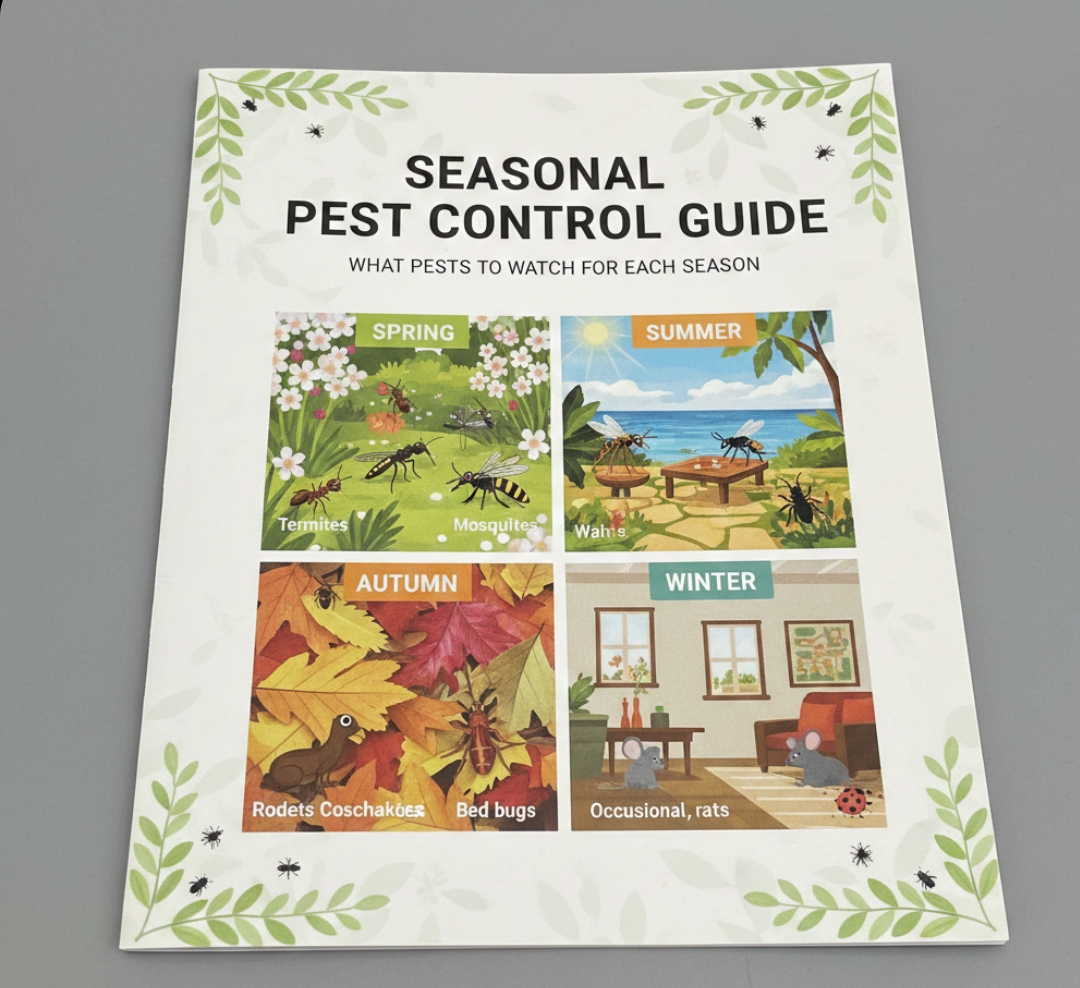
Changing seasons bring beautiful scenery—but they also bring different pest challenges throughout the year. From ants in spring to rodents seeking warmth in winter, understanding seasonal pest activity can help homeowners and businesses stay protected year-round. This seasonal pest control guide breaks down the most common pests to watch for each season and explains when it’s best to call a professional pest control exterminator Ottawa residents can rely on.
Spring: Ants, Wasps, and Wildlife Activity
As temperatures rise and snow melts, pests become more active and begin searching for food, water, and nesting areas. Spring is one of the busiest seasons for pest control, as insects and wildlife emerge after winter and take advantage of openings in homes and buildings
Common Spring Pests
- Ants: Pavement ants and carpenter ants emerge looking for food and nesting areas. Carpenter ants are especially concerning as they can damage wooden structures.
- Wasps & Hornets: Queens begin building nests around eaves, sheds, and decks.
- Wildlife: Raccoons, squirrels, and skunks become active, often nesting in attics or under decks.
Why Spring Pest Control Matters
Spring infestations can quickly grow if ignored. Early intervention helps prevent larger problems later in the year. If you notice scratching noises, droppings, or nests forming, professional Animal Control Ottawa services can humanely remove wildlife and prevent re-entry.Spring pest infestations can escalate quickly if they are ignored, as many pests begin breeding and establishing nests during this season. What may start as minor activity can turn into a serious infestation within weeks, leading to property damage, health concerns, and increased pest pressure throughout the rest of the year. Early spring pest control allows problems to be identified and addressed before pests settle in and multiply.
Summer: Mosquitoes, Flies, and Crawling Insects
Summer is peak pest season due to warm temperatures and increased outdoor activity.
Common Summer Pests
- Mosquitoes: Standing water from rain and humidity creates ideal breeding conditions.
- Flies: House flies and fruit flies become common indoors.
- Cockroaches: Though less common in residential homes, they can appear in multi-unit buildings and commercial spaces.
- Spiders & Earwigs: These crawling pests often enter homes through small cracks.
Summer Pest Prevention Tips
- Eliminate standing water around your property.
- Keep garbage sealed and food covered.
- Seal gaps around windows and doors.
For persistent infestations, a licensed pest control exterminator homeowners trust can provide targeted treatments that are safe for families and pets.
Fall: Rodents, Spiders, and Stinging Insects
As temperatures cool, pests begin looking for shelter indoors—making fall a critical season for pest prevention.
Common Fall Pests
- Mice & Rats: Rodents seek warmth and food inside homes, garages, and commercial buildings.
- Spiders: Increased indoor spider sightings are common as insects move inside.
- Wasps: Late-season wasps can become aggressive before winter.
Why Fall Is Key for Pest Control
Rodents can cause serious damage by chewing wires, insulation, and drywall. They also pose health risks through droppings and contamination. Fall is the ideal time to seal entry points and schedule professional inspections before winter sets in.
Winter: Mice, Rats, and Hidden Infestations
Many homeowners assume pests disappear in winter—but this isn’t true.
Common Winter Pests
- Mice & Rats: Rodents remain active indoors all winter.
- Cockroaches: They thrive in warm indoor environments.
- Bed Bugs: Winter travel can increase the risk of bed bug infestations.
Winter Pest Control Challenges
Because pests are hidden inside walls, basements, and attics, infestations often go unnoticed until damage or health issues arise. Regular monitoring and professional treatments help control pests even during the coldest months.
The Importance of Year-Round Pest Control
Ottawa’s seasonal climate makes year-round pest management essential. Each season brings unique pest risks that require specific strategies. Waiting until an infestation becomes severe can lead to higher costs, property damage, and health concerns.
Professional pest control offers:
- Customized treatment plans by season
- Safe, environmentally responsible solutions
- Long-term prevention strategies
- Expert wildlife removal through trusted Animal Control professionals
When to Call a Professional Pest Control Expert
DIY pest control methods may provide short-term relief, but they often fail to eliminate the root cause of an infestation. You should consider calling a professional pest control expert if you notice recurring pest activity despite repeated treatments, hear scratching or movement inside walls or ceilings, see visible damage to wood, insulation, or electrical wiring, or suspect that wildlife is nesting in your attic, crawl space, or other hidden areas of your property. These signs typically indicate a deeper issue that requires professional inspection and specialized tools.
- You see recurring pest activity
- You hear noises in walls or ceilings
- There is visible damage to wood or wiring
- You suspect wildlife nesting on your property
A trained pest control specialist can identify the issue, treat it effectively, and prevent future infestations.
Final Thoughts
Pest problems are not a one-time concern—they evolve with the seasons and require consistent attention throughout the year. From ants and wildlife activity in spring to mosquitoes in summer, rodents in fall, and hidden infestations during winter, every season presents unique challenges for homeowners and businesses. Understanding these seasonal pest patterns allows you to take timely action, reduce risks, and maintain a safe, healthy environment on your property.
Ignoring early signs of pest activity can lead to costly repairs, health hazards, and long-term infestations that are far more difficult to control. Proactive pest management, combined with regular inspections and preventive treatments, is the most effective way to protect your home or commercial space. This is where professional expertise truly makes a difference—trained technicians can identify the root cause of infestations, apply targeted treatments, and implement long-term solutions tailored to climate.