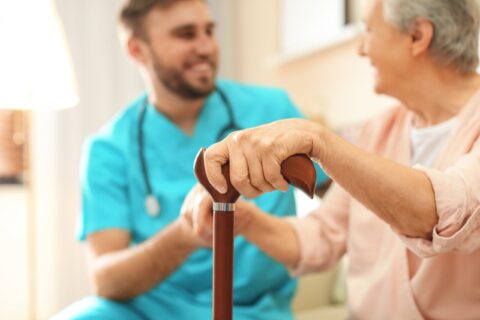

The role of a medical scribe has exploded in popularity, becoming a cornerstone for efficient healthcare delivery. As doctors face increasing administrative burdens, the demand for skilled documentation specialists continues to rise. For aspiring healthcare professionals, students, or those seeking a career change, the search for med scribe jobs often leads to a critical fork in the road: should you work physically in the clinic or virtually from home?
Both paths offer unique advantages and distinct challenges. Whether you are a pre-med student hungry for clinical exposure or a professional seeking a flexible work-from-home arrangement, understanding the nuances of each role is essential. This guide explores the realities of remote and in-person medical scribe jobs to help you decide which fits your lifestyle and career goals.
The In-Person Scribe: Immersion and Networking
For years, the traditional image of a scribe was someone standing quietly in the corner of an exam room with a laptop, shadowing a physician. This model remains the gold standard for those seeking deep immersion in the medical field.
Unmatched Clinical Exposure
If your primary goal in looking for jobs for medical scribes is to strengthen a medical school application, in-person scribing is often the superior choice. Being physically present allows you to observe the “soft skills” of medicine—how a doctor breaks bad news, conducts a physical exam, or interacts with a difficult patient. You aren’t just hearing the encounter; you are experiencing the atmosphere of the clinic.
Networking Opportunities
Building relationships is organic when you share a workspace. In-person scribes often eat lunch with providers, chat between patients, and gain mentorship that goes beyond documentation. These interactions can lead to powerful letters of recommendation, which are currency in the world of medical admissions.
The Trade-Offs
However, this immersion comes at a cost. In-person roles require a strict schedule, a commute, and the physical stamina to stand for long periods. You are also exposed to the same health risks as the medical team, which is a valid consideration for some applicants.
The Remote Scribe: Flexibility and Focus
The telehealth revolution has paved the way for virtual scribing, transforming how documentation is handled. Remote med scribe jobs involve connecting via secure video or audio links to document patient encounters in real-time from a home office.
Lifestyle and Convenience
The most significant advantage of remote work is flexibility. You eliminate the commute, saving time and money on gas or public transport. For students balancing heavy course loads, the ability to close your laptop and immediately start studying is a game-changer. Additionally, remote positions often offer a wider variety of shifts, including overnight coverage for emergency departments in different time zones.
Pure Documentation Focus
Remote scribes often find they can focus better on the chart itself. Without the distractions of a busy hallway or the physical maneuvering of a crowded exam room, virtual scribes can often produce highly accurate notes at a faster pace. It allows for a controlled environment where you can set up your workstation exactly how you need it for maximum efficiency.
The Trade-Offs
The distance, however, can create a barrier. You miss out on the physical exam’s visual cues unless a camera is pointed directly at the patient. Technical issues, such as internet outages or audio lag, can add stress to the workflow. Furthermore, while you still communicate with the provider, building a personal rapport requires more intentional effort than it does in person.
Comparing the Skill Sets
While the core responsibility—accurate documentation—is the same, the skills required to excel in these medical scribe jobs differ slightly.
In-Person Requirements
- Adaptability: You must move at the provider’s pace, often rushing from room to room.
- Professional Presence: You are visible to patients and staff, requiring professional attire and demeanor at all times.
- Interpersonal Confidence: You need to be comfortable navigating a physical clinical space without getting in the way.
Remote Requirements
- Tech-Savviness: You must be able to troubleshoot audio/video connections and navigate multiple software platforms simultaneously.
- Self-Discipline: Working from home requires a high level of focus to avoid domestic distractions.
- Auditory Attention: Since you may rely solely on audio, your listening skills must be impeccable to catch low-volume conversations or mumbled dictations.
Training and Onboarding: What to Expect
The path to becoming a proficient scribe begins with rigorous training, regardless of which setting you choose. Expect to spend several weeks mastering medical terminology, billing codes (ICD-10), and medico-legal compliance before handling live charts.
In-Person Training typically involves “floor shifts” where you shadow a senior scribe. You will learn hospital logistics—such as where to find supplies or how to navigate the layout of the Emergency Department—alongside your documentation duties.
Remote Training, on the other hand, is distinctively tech-focused. You will likely simulate shifts using video scenarios to practice listening without visual cues. Proficiency with specific EHR platforms like Epic, Cerner, or Allscripts is emphasized early on, ensuring you can navigate complex software on dual monitors without slowing down the provider.
Which Path is Right for You?
Deciding between remote and in-person jobs for medical scribes ultimately comes down to your “why.”
Choose In-Person Scribing If:
- You are pre-med, pre-PA, or pre-nursing and need “clinical shadowing” hours for your application.
- You want to see physical exams and procedures firsthand.
- You thrive in fast-paced, social environments and want to network face-to-face with doctors.
Choose Remote Scribing If:
- You need a job that fits around a chaotic university schedule or family obligations.
- You live in an area with few local medical centers or hospitals.
- You prefer a quiet, controlled work environment and want to save money on commuting.
Conclusion
Both remote and in-person med scribe jobs serve a vital function in the healthcare ecosystem. They both teach you the language of medicine, the structure of a patient note, and the flow of clinical decision-making. There is no “wrong” choice, only the choice that best aligns with your current lifestyle and future aspirations.
By weighing the benefits of immersion against the convenience of flexibility, you can launch a rewarding career that supports healthcare providers and improves patient care, regardless of where your desk is located.
Disclaimer: This article is for informational and educational purposes only and does not constitute medical, legal, or career advice. The experiences and recommendations described may vary based on location, employer policies, and individual circumstances. Readers should conduct their own research and consult appropriate professionals before making employment or career decisions.
Explore More
How Urbanization and Remote Work Are Changing Car Shipping Patterns

Dorothy I. Johnson is the heart and soul of Flash Flyer Blog’s writing team. Dorothy loves storytelling and finds the extraordinary in everyday life. She has a unique voice for sharing travel stories, tech trends, wellness tips, and food finds. Her relatable style makes complex ideas easy to grasp. She also turns simple moments into captivating stories. Dorothy’s background and curiosity inspire her to make content that connects with readers. They can find either practical tips or new viewpoints in her work. When she’s not writing, she likes to explore new places. She experiments in the kitchen or dives into a new personal growth book.