
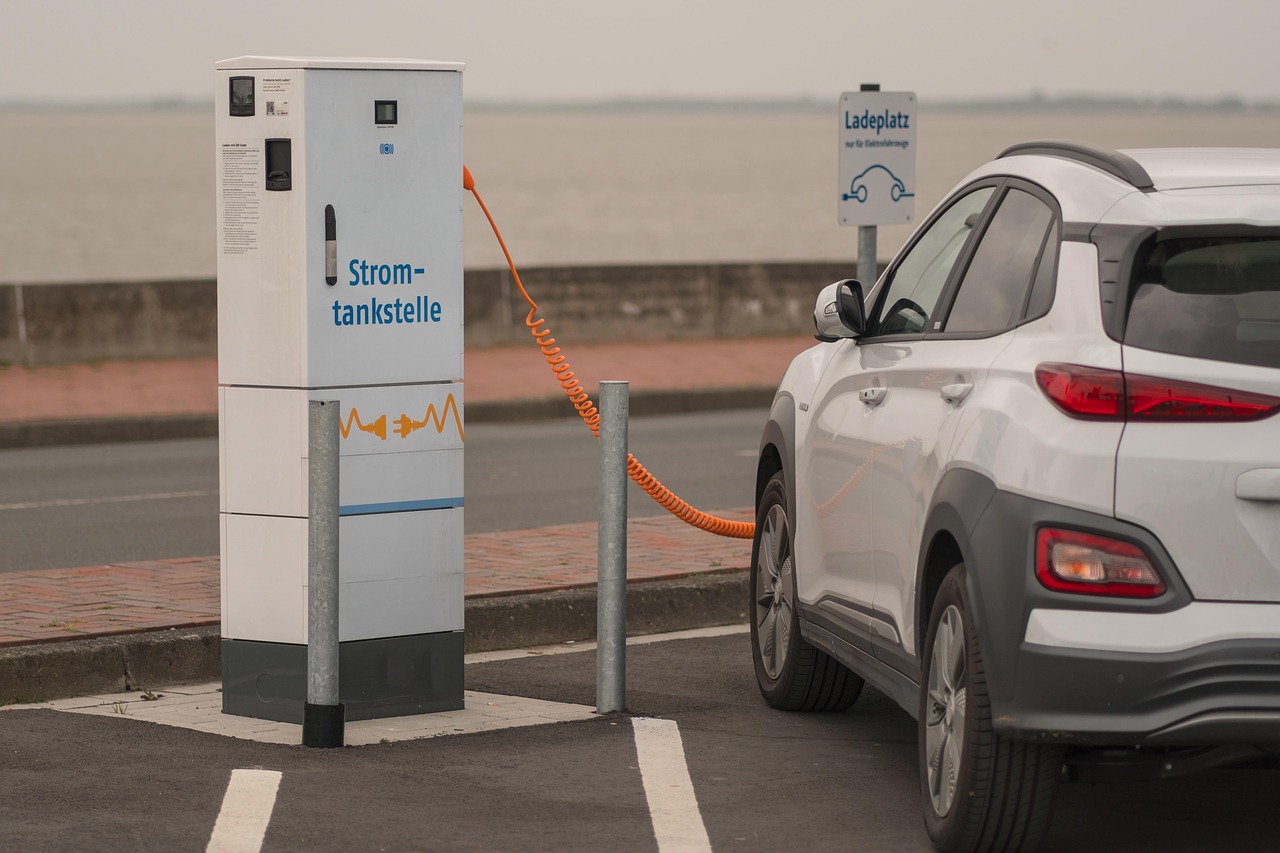
Image by A. Krebs from Pixabay
The electric vehicle revolution is accelerating faster than most people realize. In 2025, a staggering 80% of newly registered cars and taxis are cleaner energy models, with half being fully electric vehicles. This dramatic shift reflects not just government policy but a fundamental change in how people view mobility.
The transition to electric isn’t just about environmental responsibility; it’s increasingly about smart economics and practical daily living. With expanding charging infrastructure, attractive government incentives, and a growing selection of models across all price points, there’s never been a better time to understand the EV landscape. This comprehensive guide will help you navigate the complexities of buying your first electric car.
Understanding the Types of Electric Vehicles
Before diving into specific models, it’s crucial to understand the three main categories of electric vehicles available. Battery Electric Vehicles (BEVs) are fully electric, running solely on battery power with zero tailpipe emissions. These represent the purest form of electric mobility and qualify for maximum government rebates.
Plug-in Hybrid Electric Vehicles (PHEVs) combine an electric motor with a gasoline engine. They typically offer 40-80km of electric-only range before the petrol engine takes over.
Hybrid Electric Vehicles (HEVs) are “self-charging” hybrids that cannot be plugged in. These vehicles use regenerative braking to charge their batteries and are increasingly excluded from government incentive programs. For maximum savings and environmental impact, BEVs are the clear choice in the current policy landscape.
Global Governance and Incentives That Make EVs Affordable
Understanding the incentive structure is essential for maximizing your savings. The EV Early Adoption Incentive (EEAI) offers a 45% rebate on the Additional Registration Fee (ARF), capped at $7,500 for vehicles registered in 2026. This incentive will cease entirely from January 1, 2027, making 2026 a critical year for prospective buyers.
The Vehicular Emissions Scheme (VES) provides additional rebates for clean vehicles, with fully electric cars receiving up to $22,500 off the ARF. From 2026 onwards, only pure EVs qualify for VES rebates; hybrid vehicles will receive nothing. Combined, buyers in 2026 can save up to $30,000 on their electric vehicle purchase.
The $0 ARF floor for electric cars and taxis remains in effect until December 31, 2027. This provision ensures that even after all rebates are calculated, you won’t face unexpected ARF charges. These substantial incentives narrow the price gap between electric and combustion vehicles significantly.
The COE Factor: Category A vs Category B
The Certificate of Entitlement system adds another layer of complexity to EV purchases. Most entry-level EVs with power outputs of 110kW or below fall under Category A, which typically carries lower COE premiums. Higher-performance models exceeding 110kW are classified under Category B, often commanding significantly higher COE costs.
Choosing a Category A EV can mean tens of thousands in savings purely from lower COE premiums. Popular Cat A models include the BYD Dolphin, Hyundai Kona Electric Standard, and MG4 Electric. These vehicles offer excellent value while keeping total ownership costs manageable.
However, many newer EVs are becoming more powerful and consequently moving to Category B. If performance and luxury features matter more than minimizing costs, Cat B offers premium options. Understanding which category your target vehicle falls into is crucial for accurate budget planning.
Family-Friendly EVs: The MPV Segment
For families requiring more space, the electric MPV segment has evolved dramatically. Seven-seater electric MPVs combine practicality with zero-emission driving, making them ideal for family-oriented buyers. These vehicles offer limousine-like comfort while maintaining environmental credentials.
When considering luxury electric MPVs, examining the Denza D9 price reveals competitive positioning in this premium segment. The Denza D9 offers two variants: the Elite FWD starting at S$296,888 and the flagship Grandeur AWD at S$341,888. With a massive 103.36 kWh battery delivering up to 520km range, these prices include impressive specifications that challenge traditional luxury MPVs.
Premium features in modern electric MPVs extend beyond basic transportation. Expect Nappa leather seating, individual captain’s chairs with massage functions, panoramic glass roofs, premium audio systems, and comprehensive infotainment. The total package delivers business-class comfort for all passengers while maintaining the practical benefits of electric propulsion.
Charging Infrastructure: More Convenient Than You Think
The charging network is expanding rapidly, with over 7,100 charging points deployed as of 2024 and plans for 60,000 by 2030. More than 60% of HDB carparks already have charging facilities installed. This extensive infrastructure makes daily EV use increasingly practical across all housing types.
Home charging remains the most convenient option if available. The EV Common Charger Grant (ECCG) co-funds up to 50% of installation costs for charging points at condominiums, capped at $3,000 per charger. This grant has been extended until December 31, 2026, covering up to 3,500 chargers nationwide.
Public charging options include both AC slow chargers (suitable for overnight parking) and DC fast chargers (30-80% charge in 30-45 minutes). Apps like MyTransport.SG provides real-time availability of charging points across the Globe. The charging network’s reliability and accessibility continue to improve based on user feedback.
Total Cost of Ownership: Beyond the Sticker Price
Smart EV buyers calculate the total cost of ownership rather than focusing solely on purchase price. While EVs may cost more upfront, significant savings emerge over time. Electricity costs for charging run 50-70% less than equivalent petrol expenses, especially when charging at home during off-peak hours.
Maintenance costs for EVs are substantially lower than combustion vehicles. Electric drivetrains have fewer moving parts, eliminating expenses like oil changes, transmission servicing, spark plug replacements, and exhaust system repairs. Over a typical 10-year ownership period, these savings compound into tens of thousands of dollars.
Insurance costs for EVs have become increasingly competitive as insurers gain more claims data. Some insurers now offer specific EV insurance packages with favorable rates. Road tax for EVs in the 90-230kW bracket has also been reduced to ensure parity with similarly-positioned combustion vehicles.
Popular EV Models Across Different Segments
EV market now offers an exceptional variety across all segments. Budget-conscious buyers can consider models like the BYD Dolphin or Smart Fortwo EQ, offering genuine electric mobility under $200,000. These compact vehicles excel in urban environments while qualifying for maximum government rebates.
Mid-range EVs like the Hyundai Kona Electric, MG4 Electric, and BYD Atto 3 balance affordability with practical features. These models typically offer 300-400km real-world range, comprehensive safety features, and modern infotainment systems. They represent the sweet spot for many first-time EV buyers.
Premium buyers have increasingly sophisticated choices, including Tesla Model 3 and Model Y, BMW iX1, Hyundai Ioniq 5, and Polestar 2. These vehicles deliver cutting-edge technology, impressive performance, and luxury appointments. The premium EV segment continues to expand with new entrants regularly.
Range Anxiety: A Solved Problem in EV
Range anxiety, the fear of running out of charge, is often cited but rarely experienced in any part of the world’s compact geography. Most modern EVs offer 300-500km of real-world range, easily covering daily commutes and weekend activities. Longest possible journey measures under 50km, making range concerns largely theoretical.
DC fast charging enables 30-80% battery replenishment in just 30-45 minutes. This means a quick lunch break or shopping trip provides sufficient charging for extended driving. Many drivers discover they never fully charge because they top up opportunistically throughout their routine.
The expanding home and workplace charging infrastructure means most EV owners start each day with a full battery. This eliminates weekly petrol station visits, a convenience factor that combustion vehicle owners can’t replicate. Range anxiety gives way to charging convenience once you experience EV ownership.
Key Considerations Before Buying
Assess your parking situation before committing to an EV purchase. Access to home or workplace charging dramatically improves the ownership experience. If you park in HDB carparks or condominiums, verify charging infrastructure availability and accessibility.
Calculate your typical daily driving distance honestly. Most people drive under 50km daily, making even entry-level EVs perfectly adequate. Overbuying range capacity wastes money that could be better spent on features you’ll actually use.
Consider your budget holistically, factoring in COE premiums, insurance, road tax, and charging costs. Use online calculators to compare the total five-year ownership costs between your shortlisted models. The cheapest purchase price rarely translates to the lowest total cost.
The Used EV Market
The used EV market is maturing as early adopters upgrade to newer models. Used EVs can offer significant value, though buyers should understand battery health and warranty considerations. Most EV batteries retain 80%+ capacity after five years of typical use.
Warranty coverage varies by manufacturer but typically extends 8 years or 160,000km for battery packs. Purchasing from authorized dealers often includes battery health reports and certified pre-owned programs. These protections reduce risk when buying used EVs.
Depreciation patterns for EVs are stabilizing as the market matures. Early EVs depreciated rapidly due to rapid technological advancement, but current models offer more stable residual values. Research market trends for your target model before committing.
Test Driving: What to Experience
Schedule test drives for your shortlisted models to understand real-world capabilities. Focus on cabin quietness, ride quality, visibility, and control ergonomics rather than just acceleration. The instant torque of electric motors impresses initially, but daily comfort matters more long-term.
Evaluate charging port accessibility and interface usability during test drives. Some designs place charging ports inconveniently or use confusing controls. Test the infotainment system, climate control responsiveness, and driver assistance features during extended drives.
Experience different power modes and regenerative braking settings. Many EVs offer adjustable regeneration levels, affecting driving feel and efficiency. Finding settings that match your preferences enhances daily driving satisfaction.
Financing Options for EVs
Many financial institutions offer preferential green vehicle loans with attractive interest rates. These specialized EV financing packages often feature lower rates than standard car loans. Shop around among banks and credit unions for the most competitive terms.
Consider loan tenure carefully when financing your EV. While longer terms reduce monthly payments, they increase total interest paid. Balance monthly affordability against minimizing finance charges over the loan period.
Some manufacturers and dealers offer in-house financing with promotional rates during launch periods. These offers can be competitive, but compare carefully against independent bank loans. Read terms and conditions thoroughly before committing to any financing arrangement.
Making Your Decision
Purchasing an EV requires balancing multiple factors: budget, lifestyle needs, performance preferences, and future-proofing. The 2026 incentive landscape makes this an optimal time for buyers ready to transition. Substantial government support combines with mature technology and expanding infrastructure.
Don’t rush your decision, but recognize that waiting indefinitely means missing valuable incentives. The EEAI ends completely in 2027, and overall incentive levels continue tapering as EV adoption increases. Acting in 2026 maximizes financial benefits while accessing the latest technology.
Start your journey by identifying your must-have features, establishing your true budget, and shortlisting models meeting your criteria. Schedule test drives, verify charging infrastructure access, and calculate total ownership costs. Armed with comprehensive information, you’ll make a confident decision that serves you well for years to come.
EV landscape offers unprecedented choice and value in 2025-2026. Whether you’re seeking affordable urban mobility, family-friendly practicality, or premium luxury, there’s an electric vehicle perfectly suited to your needs. The future of motoring is unquestionably electric; the only question is which model will take you there.
Disclaimer: This article is for general information only. We do our best to keep all details correct and up to date, but rules, prices, and government incentives can change anytime. Always check with official sources, car dealers, or government websites before making any decision. We are not responsible for any loss, mistake, or misunderstanding from using this information.

Dorothy I. Johnson is the heart and soul of Flash Flyer Blog’s writing team. Dorothy loves storytelling and finds the extraordinary in everyday life. She has a unique voice for sharing travel stories, tech trends, wellness tips, and food finds. Her relatable style makes complex ideas easy to grasp. She also turns simple moments into captivating stories. Dorothy’s background and curiosity inspire her to make content that connects with readers. They can find either practical tips or new viewpoints in her work. When she’s not writing, she likes to explore new places. She experiments in the kitchen or dives into a new personal growth book.