

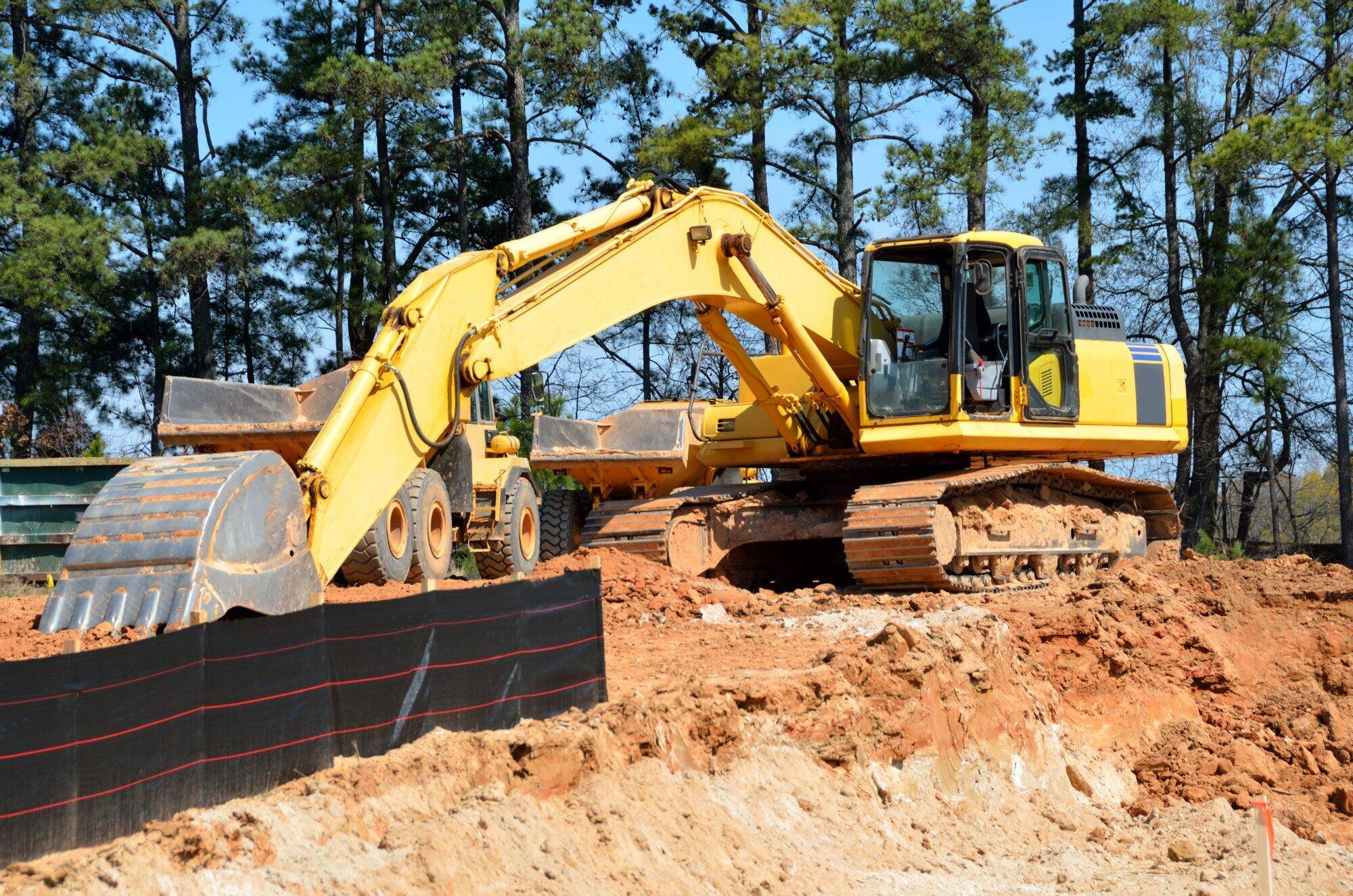
Clearing land is often an important step in preparing property for building, farming, or landscaping. But it is not something you can do without planning. Local land clearing regulations exist to protect the environment, natural resources, and public safety.
Understanding these rules is essential for property owners, developers, and contractors. Read on.
Why Land Clearing Rules Exist
Land clearing regulations are designed to balance development with protecting nature. They often focus on:
- preventing soil erosion
- protecting water quality
- preserving wildlife habitats
- keeping important vegetation intact
These rules can be strict, especially in areas with wetlands, hills, or other sensitive land. Clearing land carelessly can cause serious problems, including flooding, landslides, or the loss of plants and animals.
For example, removing vegetation near a stream can increase runoff, pollute waterways, and harm aquatic life. By following regulations, landowners help protect their property and the surrounding community.
Finding Local Rules
The rules for land clearing are different in every city, county, and state. It’s important to know exactly what applies where your property is located. Local planning or zoning offices usually provide guidelines.
These may include requirements such as limits on how much land can be cleared at one time, mandatory erosion control measures, and rules for replanting trees or other vegetation. Some areas may also require a site inspection before clearing can begin. Ignoring these rules can lead to:
- fines
- project delays
- even legal action
So it’s important to research local regulations carefully before starting work.
Permits and Approvals
Most areas require a permit before you start clearing land. To get a permit, you usually need to submit a detailed plan. This plan might include maps, information about the land’s slope, and a description of how you will control erosion or sediment.
Some places also require an environmental review if the land contains protected species or important habitats. Obtaining the proper approvals shows that you are a responsible landowner and reduces the risk of fines or having your project halted. Permits may also require periodic inspections to ensure compliance with local rules throughout the clearing process.
Planning Ahead Saves Time and Money
Proper planning is key to a smooth land clearing project. Start by mapping your property, identifying areas to protect, and determining the sequence of work. Anticipating challenges such as steep slopes, nearby water sources, or protected plants can prevent costly mistakes.
Planning ahead also makes it easier to obtain permits and avoid delays. In addition, it can help reduce long-term costs by preventing:
- erosion
- soil loss
- damage to nearby structures
Taking the time to plan thoroughly helps ensure that your project is efficient, safe, and environmentally responsible. Consult a reliable site preparation contractor to learn more.
Tips for Following the Rules
Working with professionals can make the process much easier. Surveyors, environmental consultants, or experienced contractors can help you plan correctly and comply with regulations. Keep all paperwork organized, including permits and any communications with local authorities.
Using erosion control measures, preserving buffer zones around streams, and replanting native vegetation can reduce environmental damage and satisfy regulatory requirements. Additionally, staying informed about any changes in local laws is important.
Get Reliable Support for Your Land Clearing Needs
Clearing land is more than just cutting down trees or removing vegetation. It requires understanding and following local laws.
By researching rules, obtaining proper permits, planning ahead, and following best practices, you can avoid legal problems and protect the environment. Taking the time to plan carefully makes your project smoother, safer, and more responsible.
If you want to read more articles, visit our blog.