
Men’s T-shirts are one of the most universal pieces in modern wardrobes, yet few garments are as misunderstood. What looks like a simple shirt actually reflects decisions about fit, fabric, construction, climate, and lifestyle. From casual weekends to layered office looks, the right T-shirt quietly defines comfort and confidence.
This guide takes a practical, fashion-forward look at men’s T-shirts in 2026—how they’re designed, how to choose the right one, and how small details can make a big difference over time.
Why Men’s T-Shirts Matter More Than Ever
The T-shirt has evolved far beyond its origins as an undershirt. Today, it serves multiple purposes:
- A base layer under jackets or overshirts
- A standalone piece for casual or smart-casual outfits
- A travel essential for comfort and versatility
- A workwear staple in creative and remote environments
As fashion becomes more comfort-driven, men’s T-shirts are now judged not just on appearance, but on how they feel after hours of wear.
For readers exploring broader menswear essentials and everyday apparel standards, platforms like Different Touch offer useful reference points for understanding how fit and fabric affect daily wear across categories.
Understanding Men’s T-Shirt Fits
Fit is the single most important factor in how a T-shirt looks on the body. Even premium fabric can look unpolished if the fit is off.
Slim Fit
Designed to contour the torso with minimal excess fabric. Best for lean or athletic builds and layering under jackets.
Regular Fit
Balanced and versatile, offering room through the chest and waist without appearing oversized. This is the most universally flattering option.
Relaxed Fit
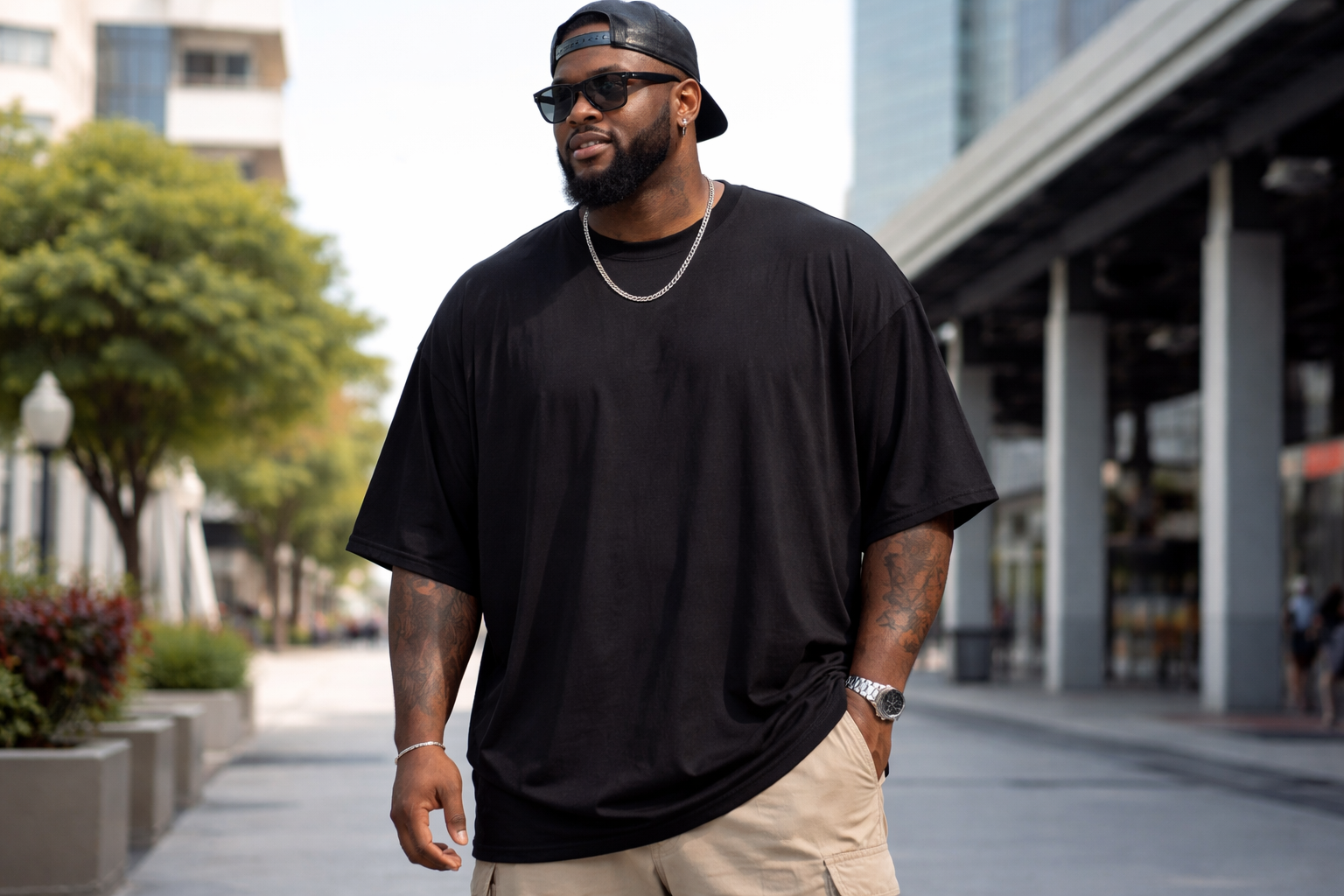
Looser silhouettes with dropped shoulders or wider hems. Popular in streetwear and casual styling.
Athletic Fit
Tailored through the waist with extra room in the chest and shoulders. Ideal for muscular builds.
A well-fitted T-shirt should:
- Sit flat on the shoulders
- Follow the chest without stretching
- Fall mid-zipper length at the waist
- Allow free arm movement without pulling
Fabric Choices: What Your T-Shirt Is Really Made Of
Fabric determines how a T-shirt performs throughout the day. Breathability, durability, softness, and drape all depend on material selection.
Cotton
Still the most popular choice. Cotton T-shirts are breathable, soft, and suitable for daily wear. Variants include:
- Combed cotton (smoother, stronger)
- Ring-spun cotton (lighter, softer)
- Organic cotton (less chemical processing)
Cotton Blends
Blending cotton with polyester or elastane improves shape retention and stretch, making the shirt more durable over time.
Performance Fabrics
Moisture-wicking and quick-dry materials are increasingly common, especially for men who transition between indoor and outdoor environments.
Fabric Weight
- Lightweight (140–160 GSM): best for summer
- Midweight (170–190 GSM): everyday versatility
- Heavyweight (200+ GSM): structured, durable feel
When browsing curated Men’s T-shirt assortments—such as a dedicated Men’s T-shirts collection—fabric composition is often the clearest indicator of long-term value and comfort.
Necklines and Their Impact
Neckline design subtly affects proportions and styling options.
Crew Neck
Classic and universal. Works well for layering and casual wear.
V-Neck
Elongates the neckline and suits men with broader shoulders or shorter necks.
Scoop or Wide Neck
More fashion-forward; often used in relaxed or contemporary fits.
A well-constructed neckline should lie flat, maintain shape after washing, and avoid excessive stretching.
Construction Details That Separate Quality from Fast Fashion
High-quality men’s T-shirts share a few often-overlooked details:
- Reinforced shoulder seams
- Double-stitched hems
- Tagless or soft-label interiors
- Pre-shrunk fabric
- Colorfast dyes
These elements don’t change appearance immediately—but they determine how the shirt performs after 20 or 50 washes.
Styling Men’s T-Shirts Across Settings
Casual Wear
Pair with jeans, chinos, or shorts. Neutral colors offer the most flexibility.
Smart-Casual Looks
Layer under a blazer, overshirt, or structured jacket. Fit and fabric quality matter most here.
Travel & Everyday Movement
Look for stretch blends and breathable fabrics that resist wrinkling.
Seasonal Layering
T-shirts work year-round when layered under sweaters, hoodies, or outerwear.
Color Selection: Building a Functional Wardrobe
A smart T-shirt rotation includes:
- White (clean, versatile)
- Black (sleek, minimal)
- Grey (balanced neutral)
- Navy (subtle alternative to black)
- Seasonal accents (olive, rust, muted blues)
High-quality dye processes help prevent fading and maintain depth of color over time.
Care Tips to Extend T-Shirt Lifespan
- Wash cold, inside-out
- Avoid fabric softeners
- Air dry when possible
- Store folded, not hung
Proper care preserves fit, color, and fabric integrity.
Sustainability and Conscious Choices
Modern consumers increasingly consider:
- Fabric sourcing
- Durability over disposability
- Ethical manufacturing
Well-made T-shirts reduce waste by lasting longer and maintaining their appearance across seasons.
Frequently Asked Questions
How many T-shirts should a man own?
A functional wardrobe typically includes 6–10 high-quality T-shirts covering core colors and seasonal needs.
Should T-shirts be tight or loose?
They should follow the body without clinging. Comfort and mobility matter more than tightness.
Are blended fabrics better than 100% cotton?
Blends often offer better durability and stretch, while cotton excels in breathability.
Can T-shirts be worn in smart-casual settings?
Yes—when the fit is precise and the fabric is refined.
How often should T-shirts be replaced?
High-quality T-shirts can last years with proper care.
Final Thoughts
Men’s T-shirts may appear simple, but choosing the right one involves understanding fit, fabric, construction, and use-case. In 2026, the best T-shirts are those that adapt effortlessly to daily life—comfortable, reliable, and quietly well-made.
By focusing on quality over quantity and paying attention to the details outlined above, men can build a T-shirt wardrobe that works in every setting, season after season.