
When choosing a CCTV system for your home, storage is one of the most important decisions you’ll make. The footage you record is only useful if it’s kept safe, private, and reliably accessible when you need it most. Many homeowners today weigh the differences between local storage and cloud storage, especially as smart cameras grow more advanced. Understanding the strengths and weaknesses of each option can help you choose the setup that best protects your home and personal data. Here’s a clear breakdown to guide your decision.
Local Storage vs. Cloud Storage: Which Is Safer for CCTV?
To understand which cctv camera offers stronger security and reliability, it’s essential to examine how each method stores, safeguards, and manages your footage.
Local Storage Keeps Your Data Offline and Under Your Control
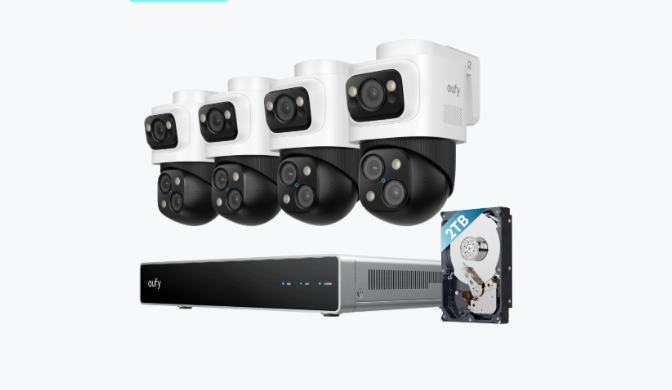
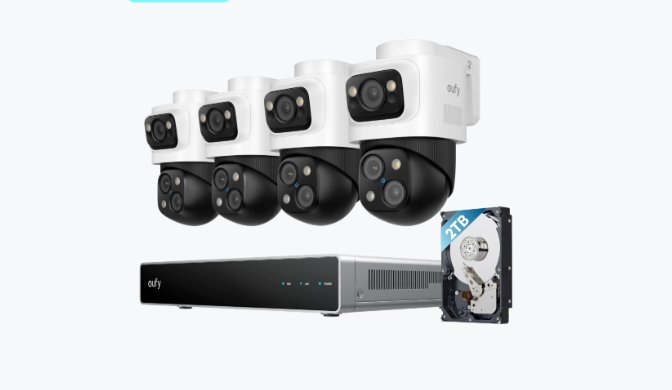
One of the biggest benefits of local storage is that your footage stays in your home, not on an external server. Systems like the eufy HomeBase S380 or the eufy PoE NVR S4 store recordings directly on built-in or expandable hard drives, eliminating reliance on third-party cloud platforms.This reduces risks tied to data breaches, server hacking, or unauthorized cloud access. Because your footage remains offline, it is inherently more secure from remote cyber threats and gives you full ownership over your data.
Cloud Storage Reduces the Risk of Physical Loss but Increases Online Vulnerability
Cloud storage excels at preventing data loss caused by physical damage, theft, or hardware failure. If a thief steals or disables your camera, cloud-stored footage may still be accessible from your account.However, because cloud systems rely on remote servers, they remain more susceptible to hacking attempts, password breaches, or third-party vulnerabilities. Even with strong encryption, storing sensitive home footage online introduces an additional layer of exposure compared to local storage.
Local Storage Offers Faster Access and Zero Monthly Fees
With local storage, video retrieval is fast and seamless since footage is accessed directly from your home device. Systems like the eufy NVR S4, equipped with a 2 TB pre-installed hard drive (expandable to 16 TB), support 24/7 recording with instant playback.Another major advantage: no monthly fees. Many cloud services require subscriptions for longer video history or advanced features, while local storage systems offer long-term savings with one-time hardware costs.
Cloud Storage Supports Remote Access but Depends on Internet Reliability
Cloud-based CCTV allows you to review footage from anywhere as long as you have an internet connection. This remote accessibility is ideal for travelers or remote property monitoring.However, cloud systems rely heavily on a stable internet. Outages or slow connectivity can interrupt recording uploads or delay notifications. Local storage systems with onboard AI, like eufy models offering person detection, vehicle alerts, and facial recognition, continue operating even if the internet goes down.
Hybrid Systems Provide the Best of Both Worlds
Some advanced CCTV setups combine cloud and local storage, offering flexibility and redundancy. eufy systems, for example, prioritize local-first storage but allow optional cloud backups or remote notifications.This hybrid approach gives users strong offline protection with additional convenience features, ensuring footage is preserved even if one method is compromised.

Conclusion
In summary, local storage generally offers stronger privacy, greater control, and no ongoing fees, making it a safer choice for many homeowners. On the other hand, cloud storage still provides valuable remote access and off-site backup, but it also introduces online security risks and subscription costs. For the highest level of protection, a local-first CCTV system, like eufy’s local storage security cameras with optional cloud storage, delivers robust security while keeping your data firmly in your hands.

Jared H. Furness is a well-known sports analyst and writer. He is known for his skill in player stats in sports like football, basketball, and baseball. Jared has a sharp eye for detail and a passion for uncovering stories behind the numbers. He is known for writing detailed, SEO-friendly articles. They attract both fans and professionals.
His work often appears on major platforms. It offers detailed breakdowns of player performances, game highlights, and strategic insights. Jared makes complex statistics easy to understand and engaging. His articles, like the Boston College Eagles vs. UVA game analysis and the Arizona Diamondbacks vs. Miami Marlins match, show his talent for mixing data analysis with engaging stories.
Jared is known for producing human-written, plagiarism-free content. His pieces rank well on Google. This helps fans and analysts easily find his expert views on key matchups. Jared H. Furness raises the bar in sports stats journalism. He highlights Bobby Witt Jr.’s amazing plays and key moments in EuroLeague basketball.