
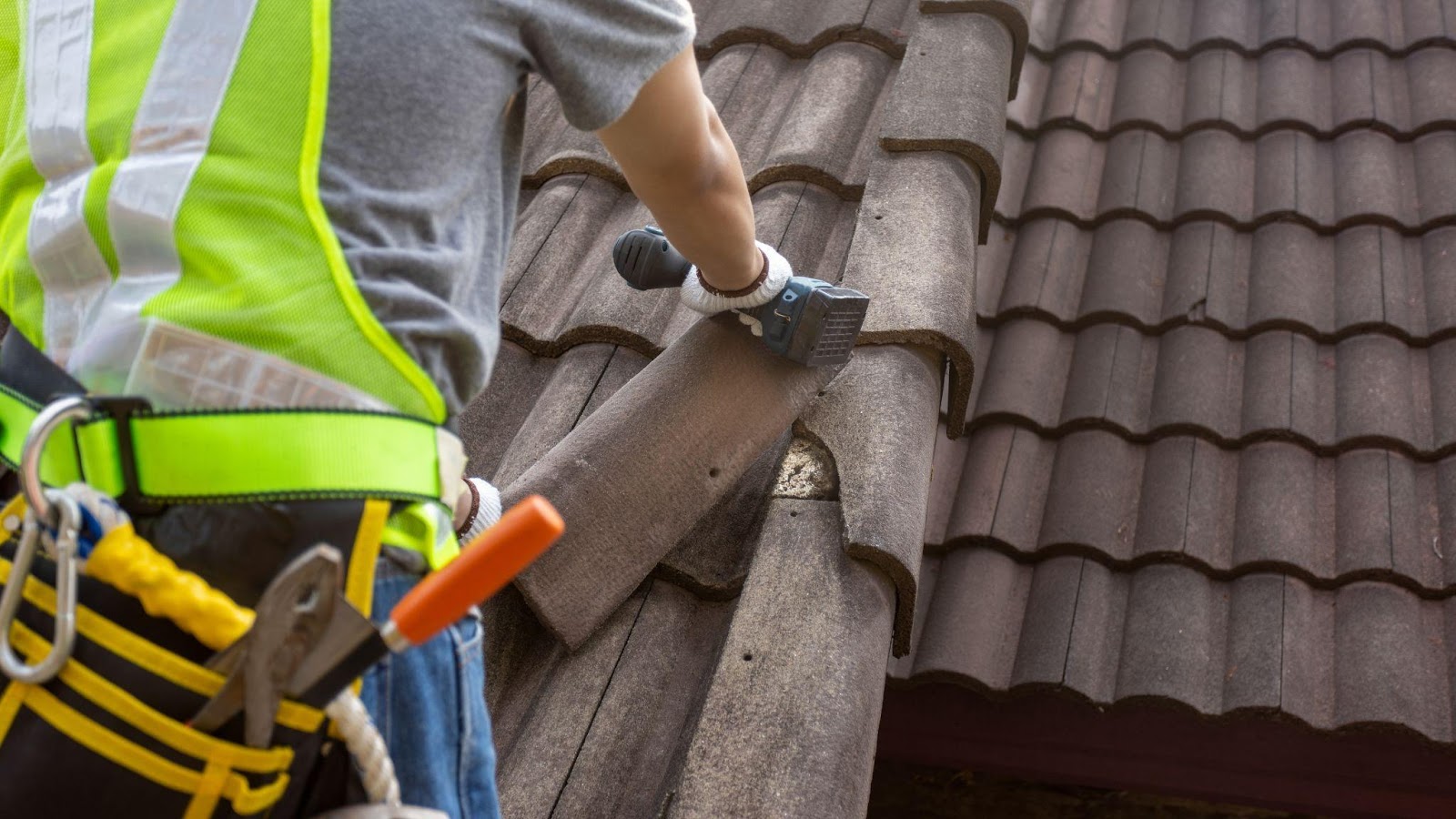
Ask any roofing contractor who’s been swinging hammers for thirty years, and they’ll paint you a picture of simpler times. You grabbed a ladder, eyeballed the damage, scribbled an estimate, then sent out your crew. Done and dusted. But that old-school approach? It’s practically extinct now.
Here’s something that’ll grab your attention, the metal roofing sector worldwide hit roughly $19 billion in market value during 2023, with projections pointing toward $28 billion by 2030. That kind of explosive expansion doesn’t just happen.
What’s fueling it? Commercial roofing technology that’s completely overhauling how you run jobs, how structures perform long-term, and how building owners safeguard their assets.
Advanced Inspection Methods Transforming Daily Operations
Forget clipboards and squinting through binoculars. Modern inspection approaches have leapfrogged into territory that would’ve seemed like science fiction twenty years back. We’re talking safer workflows, lightning-fast assessments, and precision that human eyes alone simply can’t match.
How Roofing Drones and AI Are Redefining Inspections
Roofing drones and AI outfitted with thermal imaging spot trouble you’d never see standing right there, looking at it. LiDAR tech builds ultra-precise 3D maps that let contractors calculate square footage and order materials without anyone risking their neck on a questionable surface.
Take Riverside, California, scorching summers, endless industrial complexes, and roofing challenges that’ll make your head spin. UV rays beat down relentlessly out there, and when storms roll through, they don’t mess around. Commercial roofs in that region age rapidly.
Property managers overseeing big facilities increasingly hunt for commercial roofing in Riverside, CA specialists who’ve adopted drone-powered inspections. These flying marvels capture thermal imagery, pinpoint moisture problems hiding beneath surfaces, and chart entire roof layouts in maybe a quarter of the time old methods demanded.
Predictive Analytics Catching Problems Early
Machine learning systems now crunch thousands upon thousands of roof photographs to forecast failures somewhere between six and eighteen months before disaster strikes. Computer vision platforms trained on decades’ worth of deterioration data catch warning signals that veteran inspectors with thirty years under their belts might walk right past.
Get this, one commercial property portfolio cut emergency repair incidents by 64% after rolling out AI-driven monitoring. We’re talking about avoiding angry tenants, protecting inventory from water damage, and never getting those frantic midnight calls about leaks.
Smart Monitoring Systems Working Around the Clock
Smart roofing systems might represent the most dramatic transformation in how we conceptualize commercial roofs. They’ve evolved from simple weather barriers into a dynamic, communicating infrastructure that actively protects your investment.
Real-Time Data From IoT Sensors
Moisture sensors, temperature trackers, and structural stress monitors embedded throughout your roof continuously beam information to cloud dashboards. The moment a leak begins forming, automated notifications hit facility managers’ phones before anyone sees water stains on ceiling tiles.
These platforms mesh seamlessly with comprehensive building management ecosystems, giving you a complete picture of facility wellness. Think of it as preventive maintenance supercharged, you’re tackling hiccups at the first whisper of trouble instead of waiting for total meltdown.
Digital Twins Creating Virtual Roof Replicas
Digital twin technology builds virtual duplicates of actual roof installations for testing various scenarios. Contractors model different maintenance approaches, forecast lifecycle expenses, and strategize replacements with accuracy levels that were impossible before. Some facility operators document maintenance cost reductions between 30-40% after deploying digital twin methodologies.
Software Streamlining Project Workflows
Here’s a sobering reality check: there are 9.4 million positions open, but merely 6.3 million workers available to fill them. An aging workforce combined with declining birthrates means this labor crunch isn’t temporary, which makes operational efficiency absolutely non-negotiable if you want your business to survive.
End-to-End Project Management Platforms
Roofing project management software has transformed from basic scheduling calendars into all-encompassing platforms connecting estimating, crew dispatch, billing, and client communications. Cloud-based architecture means field teams document progress as it happens, upload photographs instantly, and keep everyone back at headquarters completely synchronized.
Customer portals deliver the transparency today’s clients demand as standard. Property managers log in whenever they want, review project milestones, browse inspection documentation, and track warranty details without endless rounds of phone tag.
Automated Measurement and Estimating Tools
AI-powered measurement platforms achieve better than 99% accuracy while compressing estimation timeframes from hours down to literal minutes. These applications pull current pricing from supplier databases, automatically calculate material requirements, and generate consistently polished proposals every single time.
Integration with accounting platforms like QuickBooks wipes out redundant data entry and maintains financial information flowing smoothly. When you’re juggling six projects simultaneously, efficiency improvements like these impact profitability directly.
Emerging Trends Shaping the Next Five Years
Current roofing industry trends signal even deeper automation and intelligence coming down the pipeline. What you’re witnessing today is merely the opening act.
Material Science Breakthroughs
Nanotechnology-enhanced membranes featuring self-healing capabilities are transitioning from university labs into real-world commercial applications. Graphene-reinforced materials deliver tensile strength improvements reaching 200 times beyond conventional options. UV-resistant coatings and aerogel insulation providing R-10 per inch thermal performance are becoming baseline specifications for high-performance commercial builds.
Robotic Installation Systems
Semi-autonomous robots now handle membrane placement, adhesive distribution, and fastener installation with consistency that drops labor needs by 40%. Before you worry, these aren’t eliminating skilled workers. They’re supporting crews by tackling the repetitive, physically punishing tasks that drive injury rates and worker burnout.
Energy Generation Integration
Building-integrated photovoltaics are converting commercial roofs from necessary expenses into actual revenue streams. Contemporary solar shingles and thin-film membranes deliver efficiency ratings exceeding 22% while maintaining full weather protection. Pair them with energy storage arrays, and these installations can slash operating expenses dramatically while advancing sustainability objectives.
Making the Financial Case for Technology Investment
Both property owners and contractors need solid ROI justification before committing a budget to new technology. The encouraging news? Most commercial roofing tech pays for itself within six months to three years.
Your cost-benefit analysis should account for direct savings: trimmed labor expenses, fewer crisis repairs, prolonged roof service life, plus indirect advantages like enhanced safety records, stronger reputation, and competitive edge. Financing alternatives, including equipment leasing and SaaS subscription mode, minimize upfront capital outlays.
Implementation succeeds best through phased rollouts. Begin with high-impact, straightforward tools like project management platforms or drone inspection services. Build team competency and confidence before advancing toward sophisticated systems like IoT sensor networks or digital twin implementations.
Moving Forward With Confidence
Technology is already embedded throughout the industry. Contractors flourishing right now are those who’ve adopted commercial roofing technology as a competitive necessity instead of an optional luxury. From inspection drones through smart sensors to comprehensive management ecosystems, these tools generate measurable outcomes in efficiency, safety, and bottom-line results.
Your question shouldn’t be whether to embrace technology, but rather which innovations align best with your particular needs and market position. The commercial roofing landscape is being redefined by those courageous enough to pioneer rather than follow.
Common Questions About Commercial Roofing Technology
How accurate are drone inspections compared to human inspectors?
Drones equipped with thermal imaging and AI analysis genuinely surpass human accuracy for identifying moisture and thermal irregularities, though they deliver best results when paired with experienced inspector interpretation for complicated situations.
What’s the typical lifespan of IoT sensors embedded in commercial roofs?
Most commercial-grade sensors function reliably for 10-25 years, depending on power sources and environmental exposure. Solar-powered units generally outlast battery-dependent models, and swapping them out is straightforward when built into regular maintenance schedules.
Can small contractors compete without investing in expensive technology?
Without question, numerous tech platforms offer accessible entry pricing through subscription models. Beginning with project management software and progressively adding capabilities as revenue climbs represents a proven path for smaller operations.