

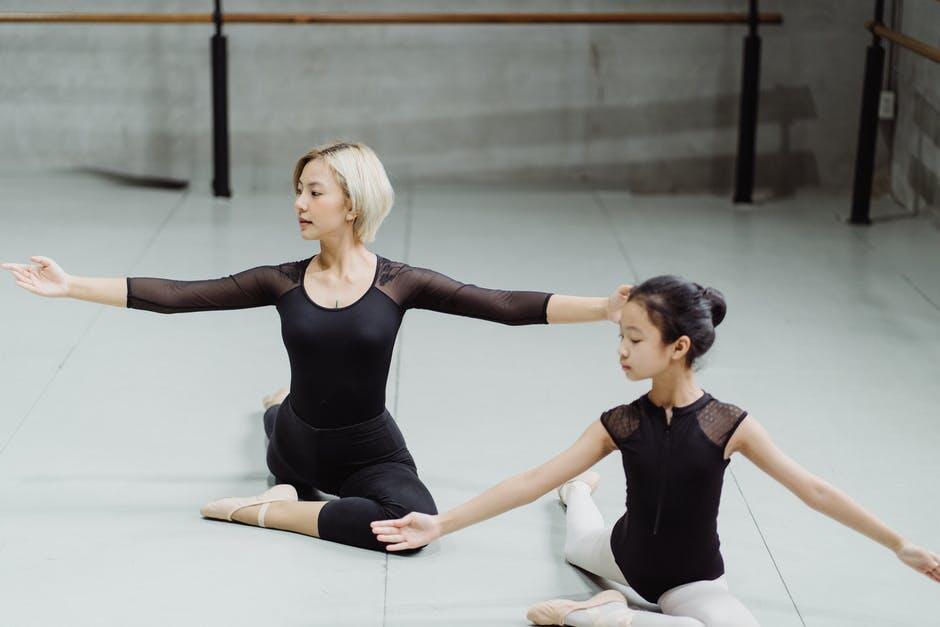
Every dancer knows that dance floors are more than just a place to move. It is where art meets athleticism, where creativity comes alive, and where style meets safety. The type of floor beneath a dancer can affect balance, technique, and confidence. Choosing the right surface is as important as choosing shoes or training routines.
A proper floor allows for smooth spins, safe landings, and powerful jumps. For dancers of all levels, understanding how different floors impact performance can elevate both style and safety. Keep reading to learn what makes a floor ideal for dancers and how to make informed choices.
Wood Floors for Classic Styles
Wood floors have long been a favorite for ballet, jazz, and contemporary dancers. Hardwood provides a natural springiness that absorbs shock while offering stability. Its smooth surface allows fluid movement and graceful transitions. Hardwood floors also develop a patina over time that can improve traction without being sticky.
While beautiful, wood requires maintenance to avoid warping, splinters, or slippery spots. Dancers need to ensure the surface is clean and properly finished. When cared for well, wood floors offer a perfect balance between elegance, responsiveness, and safety.
Marley Floors for Versatility
Marley floors are popular in studios, theaters, and performance spaces. These vinyl surfaces combine smoothness with slight cushioning, making them ideal for multiple dance styles, including tap, modern, and hip-hop. Marley floors reduce friction, allowing dancers to glide and turn with control.
They are also forgiving on joints, which lowers the risk of injury during repetitive movements. For those interested in options for their own space, it is worthwhile to discover Marley flooring, as it can be tailored to both studio and stage settings. Marley’s versatility and durability make it a smart investment for multi-style dancers.
Tile and Hard Surfaces
Tile, concrete, and other hard surfaces are common in community halls and gyms but pose challenges for dancers. These floors are firm and unforgiving, which can increase the risk of joint strain or impact injuries.
They also offer little grip, making turns or slides risky. Dancers performing on hard surfaces need appropriate shoes and additional mats or padding for safety. While these floors can support heavy equipment or high foot traffic, they are generally less forgiving than specialized dance floors.
Carpeted Surfaces
Carpet is sometimes used for informal practice or low-impact dance forms, such as social dance rehearsals. While carpet offers softness, it can hinder spins and fast footwork due to increased friction.
Rolling movements or jumps may be uneven, and shoes can catch on fibers. For safety, carpeted floors require caution, and dancers may prefer a removable dance mat or a dedicated surface to protect their joints and prevent falls.
Sprung Floors for Shock Absorption
Sprung floors are designed to absorb impact and reduce stress on dancers’ ankles, knees, and hips. These floors are commonly found in professional studios and theaters. The “give” in a sprung floor allows dancers to jump, land, and turn with less risk of injury.
Sprung floors can be overlaid with wood, Marley, or other surfaces to combine shock absorption with style-specific performance. Investing in a sprung floor ensures long-term joint health and comfort for frequent practice or performance.
The Importance of Surface Texture
Texture affects both performance and safety. Smooth floors allow gliding and spinning, while slightly textured floors provide grip for stops, turns, and slides. A floor that is too smooth can be slippery, increasing the risk of falls, while a floor that is too rough can damage shoes or cause abrasions.
Dancers must consider the surface finish when choosing a space for rehearsal or performance, ensuring it supports their specific style without compromising safety.
Flooring and Dance Style
Different dance styles interact uniquely with flooring. Ballet benefits from wood or Marley floors that allow precise footwork. Tap requires a hard surface to produce clear sounds but needs cushioning to prevent impact injuries. Hip-hop and modern dance often rely on Marley or sprung surfaces to support jumps, slides, and spins.
Ballroom and social dance benefit from polished wood that allows fluid movement without catching. Understanding the interaction between style and floor type improves technique and reduces the risk of injury.
Maintenance and Longevity
Taking care of a dance floor is important for safety and performance. Wood floors need polishing, sanding, and the right humidity to stay even. Marley floors should be cleaned with mild solutions, not harsh chemicals that make them slippery.
Sprung floors need checks for wear or uneven panels. Regular care keeps floors smooth, safe, and ready for dancing. A well-kept floor lasts longer and protects dancers’ shoes, helping prevent accidents.
Safety Considerations
Safety is more than the type of floor. It also includes proper installation, even surfaces, and protected edges. Uneven floors can cause trips, falls, or sprains. Edges should be level and corners rounded.
The floor should work well with dancers’ shoes to prevent slipping. Adding mats or overlays in areas with heavy impact gives extra cushioning. Safety is just as important as style because even the most beautiful moves can be ruined by a poor or unsafe floor.
Finding the Right Fit for Your Space
When picking a dance floor, think about the size of the space, how often it will be used, and the types of dance done. Studios often use Marley or wood on top of sprung floors for safety and good performance.
Performance halls may focus on sound, stage finish, and durability. For smaller practice areas, portable or modular floors work well. Choosing the right floor means balancing cost, style, and safety to fit your space and needs.
Different Dance Floors Impact Style and Safety for Dancers
The right dance floors transform movement. It supports style, protects joints, and allows dancers to perform at their best. From wood and Marley to sprung and tile, each surface has unique benefits and limitations.
Understanding these differences helps dancers choose wisely and stay safe while practicing or performing. With a thoughtful choice of flooring, dancers can move with confidence, energy, and elegance every day.
For more on this content, visit the rest of our blog!