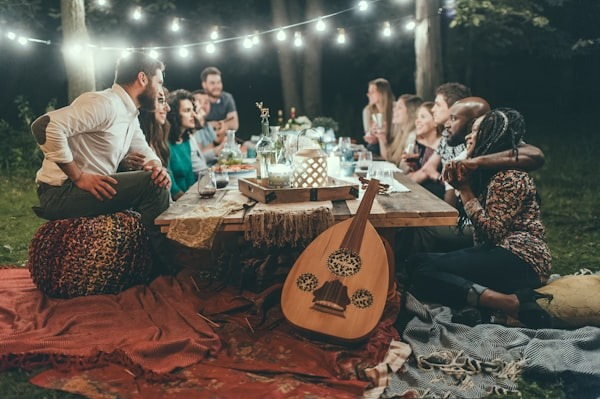
Planning a gathering that genuinely connects grandparents, toddlers, teens, and everyone in between takes more than a good playlist and a plate of sandwiches. The most memorable family celebrations share one trait: they prioritise doing things together over simply decorating a space. Research from Cornell University shows that experiential spending delivers stronger in-the-moment happiness than material purchases, so this guide leans heavily into shared activities instead of elaborate setups.
In Australia, connection matters more than ever. Recent ABS data shows roughly 15 percent of Australians aged 15 and older experienced social isolation in 2023, and community surveys in 2024 found that nearly half of adults still frequently felt isolated despite high neighbourhood belonging scores. A well-planned list of family celebration ideas can chip away at that isolation one backyard barbecue or park picnic at a time.
Clarify Your Purpose, People, and Place So Every Detail Serves the Same Goal
Locking in a tight scope in five minutes prevents overspend and last-minute chaos. Write a one-line purpose you can say aloud, such as “Reconnect the cousins before term starts,” “Celebrate Pop’s 80th with stories and photos,” or “Welcome our new foster placement with a gentle afternoon tea.” Share that line with every helper so menu, games, and decor decisions all serve the same goal.
Map Who’s Coming
- Create a headcount by age band: under-5s, 6–12, teens, adults, and grandparents.
- Note allergies, mobility aids, prams, and nap windows in advance.
- Ask about sensory needs and plan a quiet corner with soft seating.
Choose the Venue
- Use a backyard for easy control over noise and timing, and double-check fencing and shade.
- Book park shelters for playground access and public toilets, and confirm any permit requirements.
- Consider community rooms for weather-proof comfort and accessible parking, and confirm bond requirements early.
Pick a Clear Time Box To Match Your Energy and Volunteer Capacity
Duration dictates everything from snack complexity to volunteer stamina. A 90-minute micro celebration needs one feature activity and light finger food, while a half-day event fits two activity blocks, a shared meal, and a wind-down period. Both formats work well when you build in a quiet space for sensory breaks and reliable seating for grandparents who need rest.
Timeboxing also protects volunteers. When everyone knows the firm end time, setup, activity blocks, and pack-down become easier to staff. Print two copies of your run sheet, which is a simple event schedule – one for the fridge at home and one for the shelter or hall wall.
Define Roles and a Run Sheet So Hosts Join the Memories Too
Assigning clear roles prevents the classic trap where one person runs the entire show from the kitchen. Nominate an overall MC (master of ceremonies), a food lead, a safety lead responsible for first aid and sun protection, an activity lead, a photographer, and a pack-down captain. Give each role a short checklist they can tick off at T-minus 30 minutes.
Draft a one-page run sheet covering setup, welcome, activity block A, food, activity block B, cake or closing moment, and pack-down. Add a five-minute buffer between blocks for bathroom breaks and sunscreen reapplication. Share that run sheet in a WhatsApp or Signal group so nobody is guessing on the day.
Use Simple Decor To Create a Theme Fast Without Clutter
High-impact, low-clutter cues create instant atmosphere without draining your budget. Pick one colour palette, such as team colours or seasonal tones, and repeat it across table runners, paper bunting, and a reusable fabric backdrop. A simple welcome sign at the entry plus directional arrows to toilets and the quiet corner reduces questions and keeps traffic flowing.
Zone Your Space
- Mark food, play, quiet, and pram-parking zones so multigenerational guests navigate easily.
- Use ground markers like rope, cones, or chalk to define play areas and protect garden beds.
Backdrops That Photograph Well
- Seek even light and a simple background, which will beat clutter every time.
- Set up under shade to avoid squinting, and remove hoses, bins, and cords from the frame.
Use Custom Balloons as High-Impact Milestone Markers Guests Can Spot Instantly
Milestone birthdays, anniversaries, and welcome-home parties feel more festive when guests can instantly see where to gather. Instead of covering every surface with clutter, choose one or two bold markers that signal the celebration zone. For a fast, photo-friendly milestone marker that helps guests find the party zone, Brand Republic’s custom balloons let you add names, dates, or team colours on latex or foil. Cluster them at the entrance, next to the cake table, or around the photo spot so people intuitively gather where you want key moments to happen.
Plan Activity Ideas That Work in Real Australian Weather and UV Conditions
Selecting a mix of active, creative, and reflective formats ensures every generation gets a win. Schedule outdoor blocks outside the peak UV window where possible, keep water top-ups visible, and fold in quick photo moments such as a post-race podium or craft show-and-tell.
Backyard Grand Prix
Set up a coned track on flat grass away from driveways and parked cars. Add a pit-stop card table and rotate three-minute heats so every child gets multiple turns. Safety essentials include bike helmets on all riders, supervising adults at every corner, no slopes or water features nearby, and a shaded waiting zone. For children under 36 months, ensure ride-ons comply with Australia’s mandatory toy safety standard to reduce small-parts hazards.
Story Night and Audio Time Capsule
Set three prompts, such as first job, favourite holiday, and funniest family fail, and record short snippets on a phone with a lapel mic. Get permission before recording, store files in a private shared drive, and provide captions or a printed summary for guests with hearing loss.
Photo Scavenger Hunt
Create a 10-item list such as two generations in one shot, someone laughing, team colours, and a pet cameo. Run it for 20 minutes, pair young kids with teen or adult buddies, and keep areas clearly bounded. Award small prizes for creative angles rather than speed.
Serve Food That Stays Safe, Simple, and Enjoyable for Every Guest
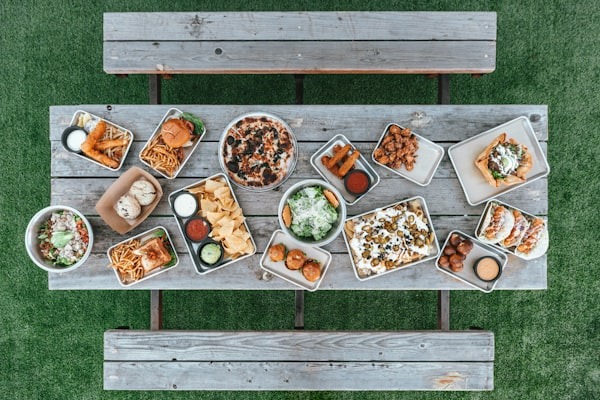
Keep food cold-leaning and clearly labelled to minimise stress and waste. Follow safe temperature zones: keep food at 5°C or colder, or 60°C or hotter. Use the 2-hour/4-hour rule for ready-to-eat potentially hazardous foods sitting between those temperatures, as recommended by Food Standards Australia New Zealand.
Menu Ideas That Travel
- Pack veggie sticks, hummus, cheese and crackers, chicken rolls, and watermelon wedges in chilled containers.
- Choose one hot hero item such as a sausage sizzle or curry in a thermal pot if your venue allows it; otherwise stick to cold-safe items.
Allergen Basics
- Use bold “Contains:” tent cards in large font listing milk, egg, peanut, or other allergens.
- Keep ingredient packets on hand for reference and separate tongs for gluten-free and nut-free items.
Plan Sun, Shade, and Weather So Guests Stay Comfortable and Protected
When the UV Index hits 3 or above, Australians should use sun protection and follow the five SunSmart steps: Slip, Slop, Slap, Seek, and Slide. Cancer Council recommends SPF 50+ broad-spectrum, water-resistant sunscreen reapplied every two hours and after swimming or heavy sweating.
Set up a sun station with pump sunscreen, broad-brim hats, kids’ sunglasses, and a refillable water cooler. Prioritise natural shade; if none exists, use pop-ups or tarps anchored safely away from play areas. Check the Bureau of Meteorology or SunSmart app to confirm UV times for your postcode, and shift to indoor or shaded activities if UV spikes unexpectedly.
Understand Parks, Beaches, and Bushfire Rules Before You Lock In a Venue
Small picnics without infrastructure usually do not need a booking, but once you add marquees, generators, or entertainment, permit rules usually apply. Check your council’s event guidelines early so you are not scrambling in the final week. On a Total Fire Ban day in NSW, open fires and solid-fuel barbecues are prohibited and penalties apply. Always check the NSW Rural Fire Service rules before any outdoor cooking and have a gas-only fallback ready.
Layer Age-Inclusive Activities So Every Generation Finds a Comfortable Way To Join In
Parallel activity tracks let every generation participate without forcing everyone into the same game. Under-5s thrive with sensory play and short loops under consistent adult supervision. Kids aged 6 to 12 enjoy relay races, scavenger hunts, and skills stations. Teens want agency, so give them the DJ playlist or photo challenge lead role. Adults and grandparents appreciate hosting story booths or judging light-hearted contests from shaded seating.
Australian guidelines recommend children aged 5 to 17 accumulate at least 60 minutes of moderate-to-vigorous physical activity daily, while adults should aim for 150 to 300 minutes weekly. A well-designed celebration can contribute meaningfully to those targets without feeling like exercise.
Choose Cars for Kids That Are Safe, Age-Appropriate, and Easy To Supervise
Backyard races quickly become a highlight for young guests when they have their own vehicles that suit their size, balance, and confidence, instead of sharing a single oversized bike that feels scary, unstable, or frustrating. For sourcing age-appropriate ride-ons with parental remotes, seat belts, and speed limiters, RideOns’ range of cars for kids is a solid starting point. Rope off a simple course, cap rider numbers per heat, and place adults at corners so every turn feels fun and safe.
Design Creative Keepsake Activities So Guests Leave With Tangible Memories
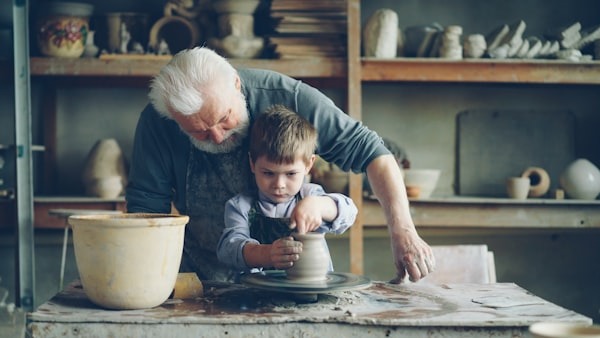
Crafts with visible progress and easy on-ramps engage every generation. For a collaborative family craft, lay out yarn, hooks, and simple stitch cards. Assign one colour per household so contributions remain recognisable in the final blanket or scarf. Set a 45-minute timer, capture short clips of makers explaining their square, and assemble the pieces later.
Pull the Right Budget Levers So You Spend Where It Counts Most
Spend on activities people remember rather than disposable decor. A single balloon install, one rented giant game, or a Backyard Grand Prix track can serve as the focal point without overspending. Borrow gear with neighbours through community tool libraries or local Buy Nothing groups. Co-host with another family to split costs and agree on the run sheet and budget upfront.
Use Safety Micro-Checklists To Prevent Problems Without Killing the Fun
Make safety visible by assigning one checklist per lead role. The food lead manages ice, a thermometer, allergen cards, timed labels, and separate tongs. The sun lead confirms shade, SPF 50+ sunscreen, hats, sunglasses, and water. The ride-ons lead checks helmets, boundaries, corner marshals, and the first-aid kit. The fire lead confirms daily Fire Danger Ratings and Total Fire Ban status. The digital lead manages privacy settings, photo consent, and no live geotags. Do a five-minute cross-check 15 minutes before guests arrive.
Shop Lion Brand Yarns When You Want an Easy, Shared Craft Everyone Can Join
Craft tables work best when the materials feel soft, colourful, and forgiving for small hands. Yarn projects tick those boxes and can be paused between food, photos, playground time, and chats. Choosing one colour story for the group makes the finished blanket or scarf look intentional. For fuss-free supplies, CraftOnline’s Shop lion brand yarns range pairs beginner-friendly hooks and needles with colour-coordinated Lion Brand yarns. Link the colours back to the collaborative blanket or scarf project so every generation can contribute a square or stripe that becomes a long-term keepsake.
Add Inclusive Touches That Quietly Show Every Guest They Belong
Begin with a brief Acknowledgement of Country; anyone can deliver it using sample wording from Reconciliation Australia. Make your space accessible with clear paths, chairs with arm and back support, and a quiet corner for sensory breaks. Label dietary options clearly, provide non-alcoholic choices, and keep pets separate from food zones. Print large-font run sheets for older guests and offer sun sleeves, loaner hats, and earplugs for sound-sensitive attendees.
Plan a Quick Teardown and Thank-You So Hosts Finish on a High Note
Ending on time keeps goodwill high. Run a 10-minute group pack-down sprint with assigned tasks covering rugs, rubbish, chairs, and dishes so hosts are not left alone. Sort rubbish and recycling on site to avoid extra handling at home. Do a final sweep for pegs, pins, or cable ties in lawns and parks.
Post a thank-you within 24 hours with three photos and a save-the-date for the next gathering. Ask for one improvement idea for continuous learning. Store your run sheet template and notes for reuse, recording what worked and what to change regarding shade, seating, or menu.
Bring It All Together With Repeatable Systems for Stress-Free Family Gatherings
Family celebrations work best when they are time-boxed, inclusive, and designed around Australian conditions. Prioritising shared experiences over clutter builds memories and reduces isolation without blowing the budget. Use these checklists and formats to plan your next backyard, park, or community-room gathering with confidence, and finish on time with everyone smiling.

Jared H. Furness is a well-known sports analyst and writer. He is known for his skill in player stats in sports like football, basketball, and baseball. Jared has a sharp eye for detail and a passion for uncovering stories behind the numbers. He is known for writing detailed, SEO-friendly articles. They attract both fans and professionals.
His work often appears on major platforms. It offers detailed breakdowns of player performances, game highlights, and strategic insights. Jared makes complex statistics easy to understand and engaging. His articles, like the Boston College Eagles vs. UVA game analysis and the Arizona Diamondbacks vs. Miami Marlins match, show his talent for mixing data analysis with engaging stories.
Jared is known for producing human-written, plagiarism-free content. His pieces rank well on Google. This helps fans and analysts easily find his expert views on key matchups. Jared H. Furness raises the bar in sports stats journalism. He highlights Bobby Witt Jr.’s amazing plays and key moments in EuroLeague basketball.