
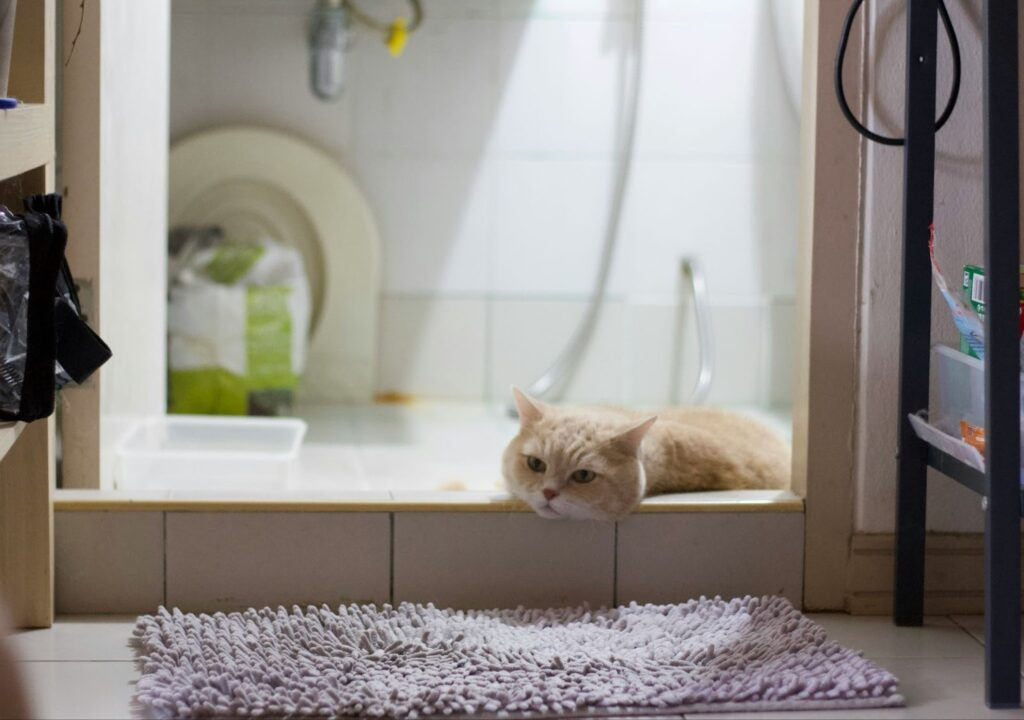
Keeping pets healthy requires consistency, not complexity. This guide translates veterinary best practice into a simple daily, weekly, and monthly home routine that most busy Australian households can complete in minutes. It also addresses local risks such as paralysis ticks on the east coast, heat dangers, and zoonotic disease prevention through solid hand hygiene.
Ask your veterinarian to tailor these routines to your pet’s age, breed, lifestyle, and health status, especially if they have existing conditions.
Introduction: Why a System Beats Guesswork
A structured approach to pet health and hygiene prevents small problems from turning into expensive emergencies. Start with the ten-minute daily routine, then layer in weekly and monthly tasks using calendar reminders. Adapt each checklist to your pet’s age, coat type, lifestyle, and regional risks.
This guide covers step-by-step hygiene and health tasks grouped by cadence. You’ll see Australia-specific preventive care, including C3 and F3 vaccines, worming schedules, flea and tick control, and heat-safety protocols. It also highlights clear red flags for when to see a vet immediately and who to call for toxin emergencies.
Record weights, parasite doses, and vaccine dates in one place to avoid missed preventives. This simple tracking habit picks up slow changes early and keeps your household aligned on responsibilities.
The Ten-Minute Daily Routine

Daily micro-habits prevent most common hygiene problems and take less time than scrolling social media. Refresh water and clean bowls daily with hot soapy water, using a dedicated sponge to avoid cross-contamination. Stainless steel bowls are generally most hygienic and least porous.
Water and Bowl Hygiene
Empty bowls completely, wash with very hot soapy water, rinse thoroughly, and air-dry before refilling. Place outdoor bowls in shaded spots to limit algae growth and bring them inside overnight to deter insects and wildlife.
Litter and Yard Duties
Scoop cat trays at least daily and bag waste to reduce odour and parasite spread. Pick up dog droppings from the yard daily to cut down fly strike and environmental contamination. Wash your hands thoroughly afterward.
Sixty-Second Health Scan
Perform a quick head-to-tail check each day. Look for clear eyes without redness or discharge, ears free of excess wax or odour, and normal skin and coat condition. Run hands over the collar area, armpits, groin, and between toes for ticks if you live in risk regions.
Micro Oral-Care Habit
Brush teeth with pet-safe toothpaste using a finger brush or soft brush, aiming for gumline contact. If brushing is not yet accepted, use dental wipes or a veterinary dental chew as an interim step. Sixty seconds daily prevents costly dental disease.
Hand Hygiene Protocol
Wash hands with soap and water for at least twenty seconds, covering all surfaces, then rinse and dry thoroughly. Do this before preparing food and after handling animals, litter, or waste to reduce the risk of zoonoses, diseases that pass from animals to people.
Weekly and Monthly Deep-Clean Cadence
A structured cleaning schedule disrupts biofilm build-up and reduces allergens without consuming your weekends. Weekly high-heat cleaning of bowls, bedding, and crates keeps hygiene standards high with minimal effort.
Weekly Tasks
- Sanitise bowls in the dishwasher or on the hottest wash cycle; air-dry fully before use
- Launder pet bedding at sixty degrees Celsius or higher
- Vacuum edges and under furniture where hair and flea eggs accumulate
- Wipe crates, pens, and high-touch surfaces
Monthly Tasks
- Weigh your pet and log the result to spot slow trends early
- Trim nails if due or ask a groomer or vet for help
- Bathe only if needed to avoid skin dryness
- Audit parasite control calendar and food expiry dates
Set recurring phone or calendar events for doses and chores. Keep a visible checklist on the fridge to align family members on responsibilities.
Vet-Approved Preventive Schedule for Australia
Core vaccines and parasite control form the backbone of preventive care and vary by life stage and region. Dogs need core C3 vaccination covering distemper, adenovirus, and parvovirus. Cats require core F3 covering panleukopenia, calicivirus, and herpesvirus.
Vaccine Timing
Puppies and kittens typically start core vaccines at six to eight weeks, with boosters until at least sixteen weeks of age. Adult boosters occur every one to three years depending on product and risk assessment guided by your vet. Canine parvovirus remains widespread in Australia, so keep young, incompletely vaccinated dogs away from dog parks and other high-traffic dog areas.
Parasite Control
Typical Australian worming guidance is every two weeks to twelve weeks of age, monthly to six months, then every three months for life. Combine year-round flea control with tick prevention in east-coast zones plus daily tick checks during peak seasons. Heartworm prevention requires monthly products or an annual injection via your vet, because mosquitoes can transmit heartworm even to mostly indoor pets.
Never use dog tick products on cats. Some contain ingredients highly toxic to felines and can be fatal. Always use species-specific products, read labels carefully, and follow veterinary guidance.
Food and Water Hygiene Standards

Clean bowls and quality nutrition work together to support digestive health and prevent illness. Wash food and water bowls daily with very hot soapy water and sanitise weekly on the dishwasher’s hottest cycle.
Understand the Australian pet-food standards when selecting diets; AS 5812 sets manufacturing and labelling requirements but is a voluntary industry code. Look for a “complete and balanced” adequacy statement referencing AAFCO nutrient profiles for the stated life stage. Store dry food in airtight containers and transition diets over seven to ten days to prevent digestive upset.
Buying Purina Pro Plan Dog Food Online
A ready-made complete diet simplifies nutrition decisions for busy households. This option suits owners who want a veterinarian-endorsed, life-stage diet without deciphering every label detail. Formulas addressing common needs like sensitive skin or stomach can reduce trial-and-error for pets with mild dietary sensitivities.
If you prefer a vetted, life-stage diet with options for sensitive skin and stomach, consider a reputable, complete diet you can discuss with your vet. Switch gradually over seven to ten days to prevent gastrointestinal upset and monitor stool quality throughout the transition. Speak to your vet about whether Purina Pro Plan suits your pet before you Buy Purina Pro Plan Dog Food Online for a convenient range of life-stage formulas.
Grooming and Bathing Without Skin Trouble
Regular brushing reduces matting and helps you spot parasites early without stripping natural skin oils. Frequency varies by coat type, so match your grooming routine to your pet’s specific needs.
Brushing Guidelines
- Short coats: quick brush one to two times weekly to remove loose hair
- Medium, long, or double coats: brush several times weekly with appropriate tools
- Reward calm handling to build positive associations with grooming
Use grooming time as a quick health check. As you brush, part the coat to look for redness, scabs, fleas, or grass seeds, and feel for new lumps or sore spots. Keep sessions short for young or anxious pets and finish with a treat so they learn grooming predicts something positive.
Bathing Rules
Bathe roughly monthly or when dirty. Over-bathing strips natural oils and can worsen itchiness. Use species-safe shampoos, rinse thoroughly, and confirm compatibility with topical flea and tick products before application.
Oral Health: Daily Micro-Habits Prevent Costly Disease
Dental disease affects around eighty percent of dogs and seventy percent of cats by age three, making it the most common pet health condition. Daily brushing is the gold standard for prevention.
Start with a finger brush and pet-safe paste, aiming for sixty to ninety seconds along the gumline. Watch for bad breath, red gums, tartar build-up, drooling, or pawing at the mouth. Schedule a veterinary dental evaluation if you observe these signs.
Introduce toothbrushing gradually. For the first few days, let your pet lick a pea-sized amount of toothpaste from your finger, then briefly lift the lips without brushing. Once they stay relaxed, add short strokes on the front teeth and slowly work towards the back of the mouth.
Select dental chews with veterinary acceptance logos and sizes matched to your pet. Avoid very hard items that can crack teeth, such as bones or antlers. Rinses and gels are useful adjuncts but do not replace brushing.
As you refine your home care routine, remember that regular surface cleaning complements grooming and dental habits by reducing invisible pathogen load in the spaces your pet uses most.
Cleaners Safe Around Pets
Hot soapy water handles most routine cleaning safely and effectively. For hard surfaces, diluted bleach can work when used according to the label, but never mix bleach with ammonia or urine residues because this produces toxic chloramine gas.
Avoid phenol-based disinfectants around cats and be cautious with concentrated quaternary ammonium compounds. Always rinse and dry surfaces fully before allowing pet access. Keep pets off wet floors and store all chemicals securely.
Keep a small caddy of pet-safe cleaning supplies in the area where accidents usually happen. Stock it with paper towel, a clearly labelled spray bottle of your chosen disinfectant, and washable cloths so you can respond quickly. Fast, thorough clean-up limits odour, staining, and the spread of bacteria on paws and human shoes.
Enzymatic Dog Pee Sprays
Enzymatic cleaners break down odour-causing compounds that standard detergents leave behind. Dogs and cats can smell urine residues humans cannot detect, which triggers re-marking behaviour in the same spots.
After blotting up as much urine as possible, choose an enzymatic cleaner rather than standard detergents so odours are completely broken down. For a simple, enzyme-based option that is safe on sealed timber and other hard surfaces, Dog by Dr Lisa Wee Cleaner is formulated for household accidents and you can use a dog pee spray to fully neutralise odour and help prevent re-marking. Patch-test on upholstery or delicate fabrics first and follow contact-time instructions for best results.
Litter Hygiene for Cat Households
Correct litter setup prevents toileting problems and reduces zoonotic disease risk. Provide at least one litter tray per cat plus one extra, placed in separate quiet locations away from food and water.
Scoop at least daily and wash trays weekly with hot soapy water. Cats typically prefer unscented, fine-grain clumping litter. Dispose of droppings and dirty litter daily because toxoplasmosis oocysts become infectious after about twenty-four hours. Pregnant or immunocompromised household members should avoid cleaning trays.
Fleas, Paralysis Ticks, and Daily Coat Checks
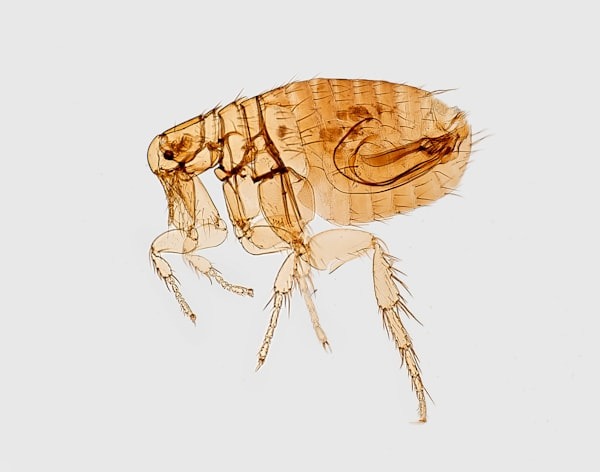
Paralysis ticks are a year-round threat on Australia’s eastern seaboard, with seasonal peaks from spring to late autumn. Combine preventive products with hands-on daily checks for maximum protection.
Pat from nose to tail, feeling for small lumps in high-risk areas including the head, neck, shoulders, armpits, and around the lips. Use a tick-removal tool if you find one, keep the tick for identification, and monitor for weakness, vomiting, or breathing changes. Seek urgent veterinary care if any signs occur. Maintain year-round flea and tick preventives and mow lawns regularly to reduce habitat.
Heat and Seasonal Hygiene
Australian summers pose serious risks that require adjusted routines and constant vigilance. Temperatures inside parked cars can exceed double the outside temperature rapidly, and a dog can die in as little as six minutes.
Never leave pets in vehicles, even briefly or with windows cracked. Schedule exercise for early morning or evening hours and use the pavement touch test before walks. Provide multiple water stations with stainless bowls placed in shade. Watch for excessive panting, drooling, weakness, or collapse and seek veterinary care immediately if heatstroke is suspected.
Red-Flag Symptoms Requiring Urgent Vet Care
Knowing when to escalate saves lives and prevents suffering. Any breathing difficulty, collapse, seizures, or suspected tick paralysis is an immediate emergency requiring veterinary attention.
Repeated vomiting or diarrhoea, a bloated abdomen, inability to pass urine, or suspected foreign-body ingestion all warrant urgent assessment. For suspected toxin exposure, contact the Animal Poisons Helpline on 1300 869 738 for twenty-four-hour, evidence-based guidance. Save your regular vet and nearest emergency clinic numbers in your phone and post them visibly at home.
Put Your Plan on the Calendar Today
Small, consistent actions prevent most problems when you track doses and chores systematically. A structured daily routine plus weekly and monthly cadence keeps most hygiene and health risks under control with minimal time investment.
Your next steps are clear: create calendar reminders for doses and chores, set up stainless bowls with a dedicated cleaning sponge, and establish a tick-check routine if you live on the east coast. Print a simple hygiene calendar and post it where your family will see it daily. Consult your vet for individualised advice tailored to your pet’s specific needs.

Jared H. Furness is a well-known sports analyst and writer. He is known for his skill in player stats in sports like football, basketball, and baseball. Jared has a sharp eye for detail and a passion for uncovering stories behind the numbers. He is known for writing detailed, SEO-friendly articles. They attract both fans and professionals.
His work often appears on major platforms. It offers detailed breakdowns of player performances, game highlights, and strategic insights. Jared makes complex statistics easy to understand and engaging. His articles, like the Boston College Eagles vs. UVA game analysis and the Arizona Diamondbacks vs. Miami Marlins match, show his talent for mixing data analysis with engaging stories.
Jared is known for producing human-written, plagiarism-free content. His pieces rank well on Google. This helps fans and analysts easily find his expert views on key matchups. Jared H. Furness raises the bar in sports stats journalism. He highlights Bobby Witt Jr.’s amazing plays and key moments in EuroLeague basketball.