

Busy construction sites operate on movement, timing, and clarity. Crews move between tasks throughout the day, and every step depends on having the right equipment within reach. A site that builds its layout with intention supports that workflow naturally. Clear access points, structured storage, and predictable routes help workers stay focused without searching for tools or navigating around cluttered areas. Modern job sites recognize that organization is not just a matter of neatness, as it directly shapes productivity, pace, and the ability to complete work without unnecessary delays.
An effective organization plan also creates a shared understanding among all crew members. Each person knows where items belong, how paths function, and what areas to rely on for quick setups or tool transitions.
Clear Paths
Defined equipment paths help move tools and machinery through active zones without confusion. A clear route prevents workers from stepping into areas where heavy gear travels. It also keeps carts, lifts, or forklifts on predictable lines that support steady movement across the site. This structure protects both workers and equipment by guiding traffic through familiar patterns.
Once a route is established, crew members intuitively understand where to avoid standing or placing materials. This awareness reduces congestion and keeps the work environment open for quick transitions.
Central Storage
A well-placed area allows workers to gather what they need without walking across the entire job space. This approach cuts down on long pauses and scattered searching. A stable, central point also helps supervisors monitor inventory and keep track of tools that move frequently. Eventually, crews develop a habit of returning items to the same spot, which keeps operations flowing without confusion.
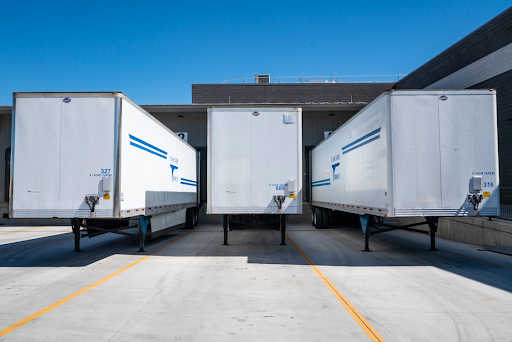
Many sites rely on shipping containers for this purpose. Their structure, durability, and straightforward layout make them ideal for storing both heavy gear and delicate tools. A shipping container creates a predictable environment that stays organized throughout the project. Hence, for establishing clear storage routines, many teams choose to buy shipping containers for long-term use. With a consistent storage base in place, daily activity gains reliability.
High-Use vs. Occasional Gear
Separating frequently used items from occasional gear helps the site stay orderly under pressure. High-use tools benefit from prominent placement, allowing crews to grab them without digging through piles or opening multiple storage areas. Items that see fewer daily tasks can sit in secondary sections where they remain available yet out of the primary traffic zone. This division helps avoid unnecessary delays and keeps common tools visible throughout the day.
A clear system helps new workers learn the setup quickly. Familiar patterns form as crews see the same items in the same locations each morning. By removing guesswork, the site gains a natural flow that supports both speed and safety.
Cleanout Sessions
Scheduled cleanout sessions maintain clarity across the site. Equipment, debris, and misplaced tools can accumulate throughout the day, creating obstacles that interrupt workflow. Regular clearing helps restore open surfaces and consistent access to work areas. Crews appreciate the stability that comes from knowing the space will reset at set times. This habit reduces surprises and keeps the environment safer for both equipment and workers.
Each team member grows familiar with the layout and knows how to return tools to their proper areas. Such shared effort creates a supportive work culture where everyone contributes to keeping the site organized.
Color Systems
Color-coded patterns help streamline movement and strengthen coordination among teams handling multiple tasks. Crews can identify categories at a glance rather than reading labels or sorting through containers. This system works especially well for large job sites with many workers moving in different directions.
A consistent color plan reduces confusion during busy hours. Workers know immediately where to return an item and where to look for its replacement. It creates a simple, universal guide that does not rely on complex instructions.
Heavy Gear Drop-Offs
Dedicated drop-off areas help crews handle heavy equipment with calm direction. A clear zone keeps bulky items from being scattered across the site, which reduces confusion and makes transport safer. Workers know where lifting teams will place gear, where operators should pause with machinery, and where support crews can retrieve items without interrupting active work.
A stable drop-off area also supports communication across teams. Operators feel confident arriving at the right spot, and crews waiting for gear stay alert to the same location.
Maintenance Space
A proper maintenance area keeps repair tasks contained and purposeful. Busy sites often experience equipment strain, and minor adjustments throughout the day help prevent larger issues. Placing the maintenance spot in a consistent location allows crews to bring gear there without wandering around to find support. Workers and technicians understand where to meet, where tools are stored, and how repairs progress through the day.
Moreover, maintenance areas keep active zones free from repair clutter. By limiting fixes to a single section, the rest of the site stays open for movement and production. This clear distinction helps avoid equipment buildup near work paths and keeps workers focused on their primary tasks.
Power Clusters
Arranging power sources in accessible clusters helps crews stay connected to the tools that require electricity. A thoughtful layout places outlets and charging stations in areas that support both heavy-duty gear and handheld tools. Workers can gather their equipment and recharge without disrupting other parts of the site. This setup creates a sense of stability because crews know exactly where to find dependable power.
Power clusters reduce cord overlap in crowded zones. A single, predictable location limits the spread of cables across the ground. Ultimately, this keeps walkways open and prevents interruptions.
End-of-Day Guidelines
Clear end-of-day guidelines give the site a fresh start each morning. Crews return tools to set locations, clear walkways, and place equipment in its designated area before finishing their shift. This routine prevents clutter from settling into corners and keeps the site ready for early movement. A consistent system reduces the morning rush, as workers begin their tasks without the distraction of misplaced gear.
Plus, guidelines support accountability among crews. Everyone participates in restoring order and preserving the structure that keeps the job running smoothly. The site takes on a dependable shape each evening, creating a natural transition that prepares the workspace for the next day’s demands.
Long-Item Racks
Long or oversized items require careful placement to avoid blocking paths or leaning unpredictably against structures. Racks designed for long tools, pipes, or framing materials give the site a stable way to store them. Workers can retrieve items without sorting through piles or shifting heavy bundles.
A dedicated spot reduces bending, cracking, or warping that might occur if they rest unevenly on the ground. Crews appreciate having a simple system that holds long items securely, keeping the site orderly and preventing disruptions caused by damaged pieces.
Proper equipment organization gives busy sites a sense of direction that supports progress. Each strategy shapes clearer movement, faster access, and a calmer work atmosphere that carries through the entire day. With practical systems in place, crews rely on familiar patterns that keep downtime low and productivity steady.