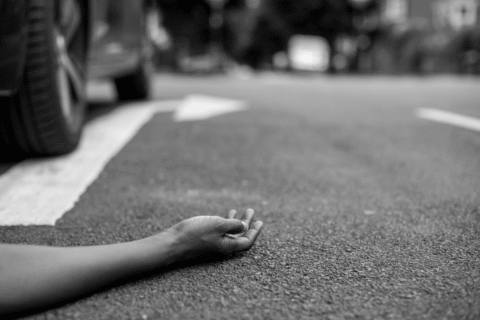


Drunk-driving accidents remain a significant public safety concern, causing thousands of injuries and deaths each year. Victims of these accidents often face not only physical and emotional trauma but also financial burdens due to medical bills, lost income, and long-term care. Understanding your rights and knowing how to hold both the impaired driver and establishments that serve alcohol accountable can help ensure justice and compensation.
Understanding Drunk-Driving Accidents
Drunk-driving, or driving under the influence (DUI), involves operating a vehicle while impaired by alcohol or drugs. Alcohol impairs coordination, reaction time, and judgment, making drivers more likely to cause accidents. According to the National Highway Traffic Safety Administration (NHTSA), drunk-driving fatalities account for roughly 30% of all traffic deaths in the U.S., highlighting the severity of this issue.
Common causes of drunk-driving accidents include:
- Excessive alcohol consumption before driving
- Combining alcohol with prescription or recreational drugs
- Lack of designated drivers or safe transportation alternatives
- Bars or restaurants serving alcohol to obviously intoxicated individuals
Immediate Steps After a Drunk-Driving Accident
Taking the right steps immediately after an accident can protect victims’ health and legal rights:
- Ensure Safety and Seek Medical Care
- Call 911 immediately for medical attention and law enforcement.
- Even minor injuries should be assessed by a healthcare professional, as internal injuries or head trauma may not be immediately visible.
- Call 911 immediately for medical attention and law enforcement.
- Document the Scene
- Take photos of vehicles, skid marks, road conditions, and visible injuries.
- Note the driver’s condition, such as slurred speech, smell of alcohol, or erratic behavior.
- Collect contact information for witnesses who saw the accident or the driver’s impairment.
- Take photos of vehicles, skid marks, road conditions, and visible injuries.
- Report to Authorities
- Ensure a police report is filed, as it serves as crucial evidence in legal proceedings.
- Obtain a copy of the report for your records.
- Ensure a police report is filed, as it serves as crucial evidence in legal proceedings.
- Preserve Medical and Financial Records
- Keep track of hospital bills, prescriptions, therapy, and other accident-related expenses.
- Keep track of hospital bills, prescriptions, therapy, and other accident-related expenses.
Holding Drivers Accountable
Impaired drivers are liable for the damages caused by their reckless behavior. Victims can pursue compensation for:
- Medical expenses
- Lost wages and future income
- Property damage
- Pain, suffering, and emotional distress
Liability may extend to multiple parties in certain circumstances, such as passengers who encouraged the driver to drive intoxicated or parents of underage drivers.
Holding Bars and Alcohol-Serving Establishments Accountable
In many states, dram shop laws hold establishments responsible for serving alcohol to intoxicated individuals who then cause accidents. Bars, restaurants, and liquor stores can be liable if they:
- Serve alcohol to someone who is clearly intoxicated
- Serve alcohol to minors
- Fail to follow responsible serving practices
Victims may pursue claims against both the drunk driver and the establishment, potentially increasing the compensation available.
Common Injuries from Drunk-Driving Accidents
Drunk-driving accidents often result in severe injuries due to high-speed collisions and impaired control. Common injuries include:
- Traumatic brain injuries (TBI)
- Spinal cord injuries or paralysis
- Broken bones and fractures
- Internal organ damage
- Emotional trauma and PTSD
Long-term care may be required for catastrophic injuries, making compensation for medical expenses crucial.
Steps to Maximize Compensation
To ensure fair compensation, victims should take strategic steps:
- Preserve Evidence
- Keep all medical records, accident photos, and witness statements.
- Keep all medical records, accident photos, and witness statements.
- Document Financial Losses
- Track lost wages, therapy costs, transportation expenses, and property damage.
- Track lost wages, therapy costs, transportation expenses, and property damage.
- Avoid Early Settlement Offers
- Insurance companies may offer quick settlements that undervalue your claim.
- Insurance companies may offer quick settlements that undervalue your claim.
- Consult Legal Professionals
- Legal guidance personal injury lawyer myrtle beach helps navigate liability, damages, and potential dram shop claims effectively law firm like Kinon Law Firm.
- Legal guidance personal injury lawyer myrtle beach helps navigate liability, damages, and potential dram shop claims effectively law firm like Kinon Law Firm.
Prevention and Safety Tips
While victims cannot prevent accidents caused by others, proactive measures can reduce risk:
- Avoid driving after consuming alcohol; use rideshare or designated drivers
- Encourage friends or family to make safe transportation choices
- Be aware of local bars or events known for excessive drinking
- Practice defensive driving, especially in areas with high nightlife activity
Emotional and Long-Term Recovery
Drunk-driving accidents often leave victims and families coping with emotional trauma. Recovery strategies include:
- Counseling or therapy for victims and family members
- Support groups for accident survivors
- Rehabilitation for physical injuries, including physical therapy and occupational therapy
- Planning for long-term medical care or adaptive equipment if injuries are severe
Proper support and planning can improve recovery outcomes and quality of life.
Conclusion
Drunk-driving accidents have far-reaching consequences, affecting victims’ physical, emotional, and financial well-being. Holding both drivers and negligent establishments accountable is essential for justice and compensation. Understanding your rights, documenting the accident, seeking medical care, and pursuing legal guidance are crucial steps in navigating the aftermath.
By taking proactive steps and seeking the support needed, victims of drunk-driving accidents can focus on recovery while ensuring that responsible parties are held accountable for their actions. Awareness, preparation, and legal action together provide a path toward justice and healing.
Disclaimer: This article gives general information only. It is not legal advice. Every case is different, and laws can vary by state. If you are hurt in a drunk-driving accident, you should talk to a licensed lawyer who can give you advice for your own situation.