
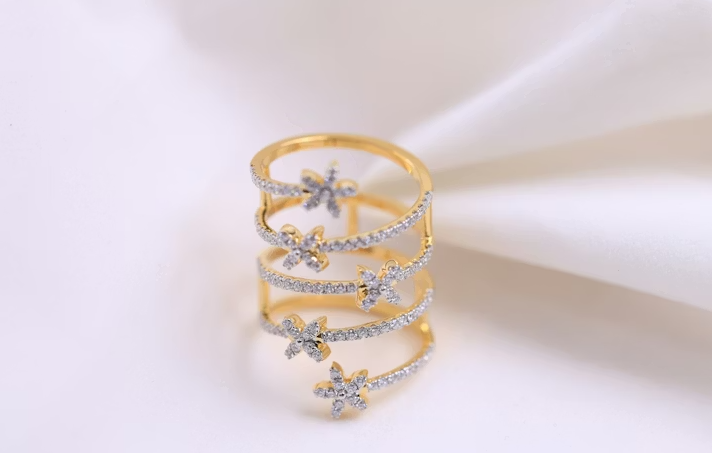
Many retailers assume that jewelry that looks good will sell fast. In reality, jewelry often becomes the slowest-moving category in a store. It takes up space, locks up cash, and quietly eats into profits when it doesn’t perform. This usually isn’t because customers don’t want jewelry. It’s because the wrong types get ordered.
Customers expect jewelry to last, feel comfortable, and fit into daily life. They also make faster decisions, especially at the checkout counter or while scrolling online. If a piece doesn’t meet those expectations right away, it gets skipped. This guide focuses on how to choose jewelry that customers actually buy, not just admire. The goal is simple: fewer dead styles, faster turnover, and cleaner inventory decisions.
Everyday pieces keep money moving
Reliable sellers almost always include simple designs. Thin chains, basic studs, smooth bands, and stackable styles don’t stay on shelves long. Customers buy them for daily wear, gifting, or layering. These pieces don’t need much explanation and don’t rely on trends to feel current.
Everyday jewelry also attracts repeat buyers. A customer who buys one necklace today often comes back for another variation later. That consistency matters for cash flow. Trend pieces may spike once, but basics sell steadily. Stores that lead with everyday styles often notice fewer markdowns and better sell-through over time.
Materials customers trust and return for
Material choice affects sales more than many retailers realize. Customers care about how jewelry holds up, especially if they plan to wear it often. Pieces that tarnish quickly or irritate skin lead to returns and negative reviews. That experience stays with customers longer than the design itself.
Durable materials make selling easier. They reduce questions, hesitation, and after-sale issues. Many retailers prefer sourcing from suppliers like the Wholesale Jewelry Website that focuses on long-lasting materials because it builds customer trust. When shoppers feel confident about quality, they buy faster and complain less.
Pricing that encourages quick decisions
Jewelry pricing works best when it feels reasonable, not risky. Most customers hesitate when prices jump too high without a clear reason. Mid-range pieces often perform better because they feel accessible while still offering margin.
Clear pricing tiers also help. When customers see a few options at different price points, they choose faster. Confusing or inconsistent pricing slows decisions. Jewelry that moves quickly usually sits in a range where customers don’t need time to think. If they pause too long, the sale often disappears.
Too many styles slow down sales
Large assortments feel impressive but often hurt performance. When customers see too many choices, they delay buying. This happens both online and in-store. Focused collections make shopping easier and increase conversion.
Tighter selections also improve displays and product pages. Bestsellers stand out instead of getting lost. Retailers who edit their jewelry assortment regularly often see better results than those who keep adding more styles without removing slow movers. Selling more doesn’t always mean stocking more.
Size and fit affect buying confidence
Jewelry that doesn’t fit well creates hesitation. Rings and bracelets face this issue more than any other category. Customers worry about sizing mistakes, returns, or gifts that won’t work. When shoppers feel unsure, they delay the purchase or abandon it altogether.
Retailers can reduce this friction by limiting size-heavy designs or offering adjustable options where possible. Open-ended rings, extender chains, and flexible bracelets tend to sell better because they remove guesswork. Clear size guidance also matters. Simple size charts and short descriptions help customers decide faster, especially online. Jewelry that feels easy to wear and easy to size moves more quickly.
Customer behavior is better than guesswork
Sales data tells one story, but customer behavior fills in the gaps. What shoppers pick up, try on, or ask about reveals what interests them before a purchase happens. In-store, this shows up in repeated questions or pieces customers return to even if they don’t buy right away.
Online, behavior shows through views, saves, and cart adds. Tracking these patterns helps retailers spot potential bestsellers early. Styles that attract attention but don’t convert may need better photos, pricing, or placement. Paying attention to behavior helps retailers adjust before inventory stalls.
Seasonal jewelry should still sell later
Seasonal jewelry sells well when it feels wearable beyond a short window. Pieces tied too closely to one holiday or trend often lose value fast. Once the moment passes, so does customer interest.
Retailers see better results when they choose seasonal styles that still work year-round. For example, warm tones, textured metals, or subtle statement pieces often sell across seasons with small display changes. Planning seasonal buys with long-term wear in mind helps avoid clearance piles and keeps inventory flexible.
Presentation affects perceived value
How jewelry looks on display shapes how customers judge its quality. Poor lighting, crowded trays, or tangled pieces lower perceived value, even if the jewelry itself is solid. A clean presentation makes decision-making easier.
Simple displays work best. Space between pieces helps each one stand out. Neutral backdrops keep focus on the jewelry. Online, clear photos and close-up shots matter more than heavy styling. When the presentation feels clean and intentional, customers feel more confident buying without overthinking.
Regular reviews prevent inventory buildup
Jewelry inventory needs frequent review. Waiting too long allows slow movers to pile up unnoticed. Monthly check-ins help retailers spot patterns early and respond before margins shrink.
This doesn’t mean deep discounts right away. Sometimes repositioning a piece, changing its display, or pairing it with a bestseller improves performance. When a style clearly doesn’t work, phasing it out quickly frees up space and cash. Strong inventory management keeps jewelry working for the business instead of against it.
Jewelry that sells well usually shares a few clear traits. It feels wearable, fits easily into daily life, and inspires confidence at the moment of purchase. Fast-moving jewelry doesn’t rely on hype or guesswork. It comes from understanding customers and making thoughtful buying decisions.
Retailers who treat jewelry as a strategic category rather than an add-on see better results. They choose styles with purpose, review inventory often, and stay focused on what customers actually buy. When jewelry selection becomes intentional, shelves clear faster, cash flow improves, and the category turns into a reliable source of profit instead of frustration.

Dorothy I. Johnson is the heart and soul of Flash Flyer Blog’s writing team. Dorothy loves storytelling and finds the extraordinary in everyday life. She has a unique voice for sharing travel stories, tech trends, wellness tips, and food finds. Her relatable style makes complex ideas easy to grasp. She also turns simple moments into captivating stories. Dorothy’s background and curiosity inspire her to make content that connects with readers. They can find either practical tips or new viewpoints in her work. When she’s not writing, she likes to explore new places. She experiments in the kitchen or dives into a new personal growth book.