

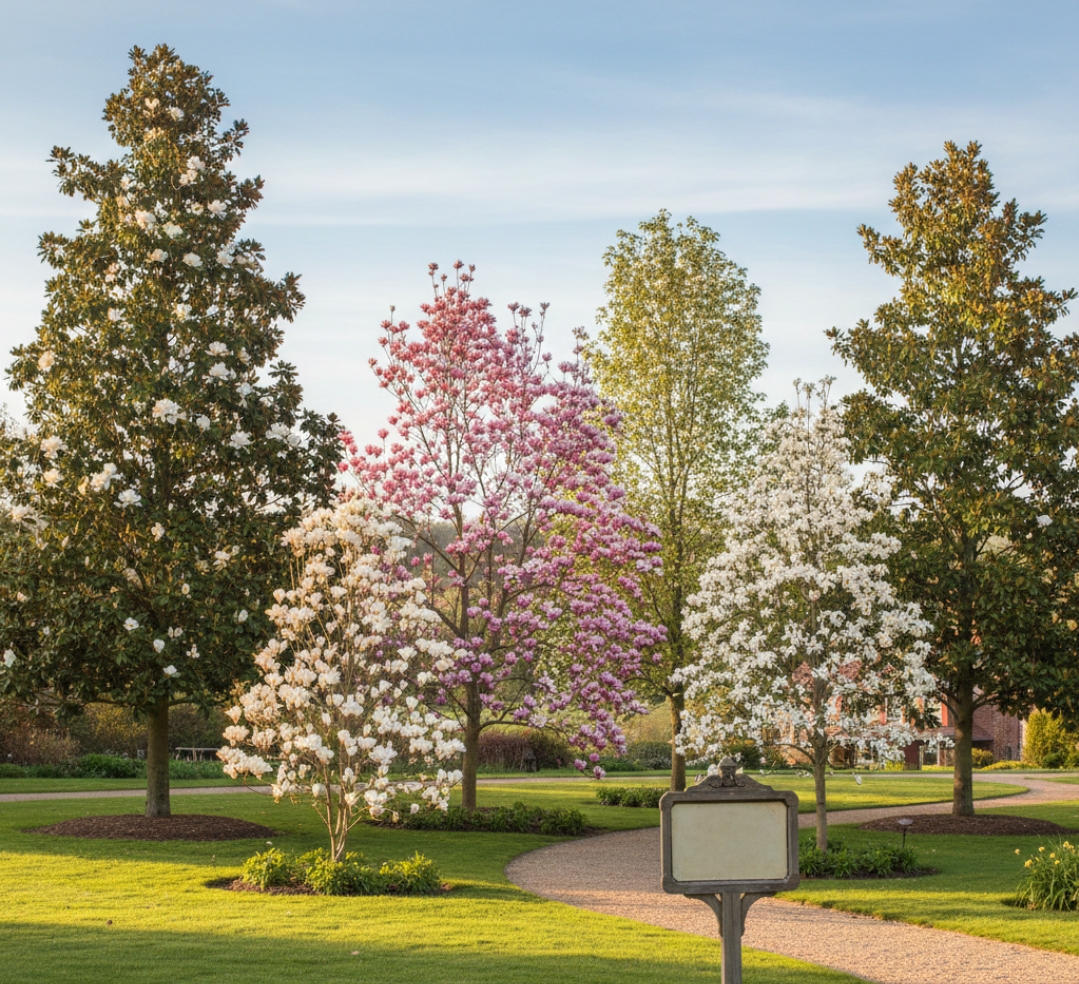
Magnolia trees are a stunning addition to any garden, known for their large, fragrant blooms and lush foliage. With a variety of species available, each offering distinct features and aesthetic qualities, choosing the right magnolia tree for your yard can be both exciting and overwhelming. These trees are not only visually striking but also serve as focal points in landscaping, providing height and character to your outdoor spaces. When selecting a magnolia, it’s essential to consider factors like size, growth habits, and environmental needs, ensuring the tree harmonizes with your garden’s existing conditions.
To find the ideal magnolia tree species for your yard, understanding key aspects of their requirements and characteristics is crucial. If you’re eager to enhance your landscape with these beautiful trees, familiarizing yourself with their needs will guide your decision.
Below are six ways to help you spot the perfect magnolia tree that will thrive and bring beauty to your home for years to come.
1. Research Varieties and Sizes
Before diving into your purchase, take the time to research different magnolia tree species. Each variety has unique traits, including size, bloom time, and habitat preferences. For example, the Southern Magnolia is known for its towering height and iconic white flowers, while the Teddy Bear Magnolia is compact, making it ideal for smaller gardens. Understanding the height and spread of mature specimens will assist you in selecting a variety that fits your available space.
Consider the layout of your yard, including existing plants, structures, and pathways. It’s important to choose a magnolia that complements your overall landscape design without crowding nearby plants. By familiarizing yourself with the characteristics of various magnolia species, you can make a well-informed decision tailored to your space.
2. Check for Plant Health
When selecting a magnolia tree, one of the most critical factors to consider is its health. Whether you’re shopping at a local nursery or considering an online purchase, take the time to inspect the tree for signs of vitality. Healthy magnolias should have vibrant green leaves free of yellowing, browning, or spots. Additionally, check the branches for signs of breakage or disease; they should be flexible, without cracks or visible pests.
It’s also essential to examine the roots when possible, as this is a key indicator of the tree’s overall health. If choosing a potted magnolia, ensure that the roots are well-established and that the tree shows signs of growth. A healthy tree will not only thrive in your yard but also reduce the risk of transplant shock, paving the way for a beautiful landscape.
3. Ask About Growing Conditions
Understanding the growing conditions required for your chosen magnolia species is crucial for ensuring its success in your yard. Magnolias generally prefer well-draining, slightly acidic soil enriched with organic matter. However, different species may have specific requirements regarding sunlight, water, and humidity levels.
For instance, some magnolias thrive best in full sun, while others can tolerate partial shade. Ask nursery staff about the specific growing conditions for the variety you are interested in, including how to prepare the soil and what amendments may be necessary for optimal growth. This knowledge will help you create a suitable environment for your magnolia and maximize its potential, ensuring a beautiful addition to your garden.
4. Evaluate Seasonal Interest
When selecting a magnolia tree, consider the seasonal interest it provides. Many magnolia species are celebrated for their stunning blooms in spring, but not all varieties have the same blooming habits or foliage changes throughout the year. Some magnolias, like the Sweet Bay Magnolia, offer fragrant flowers early in the season, while others like the Star Magnolia bloom even earlier, adding early color to your garden.
In addition to flowers, take note of the leaf color and changing foliage in the fall. Some varieties, such as the Purple Cone Magnolia, offer vivid autumn hues that add character to the landscape. Evaluating a magnolia’s seasonal interest helps you choose a tree that will bring beauty year-round and will be a joy to observe through every season.
5. Consider Fragrance
One of the most enchanting features of magnolia trees is their fragrant blooms. When selecting a magnolia, factor in the scent produced by its flowers, as this can enhance the sensory experience of your garden. Different magnolia species emit varying levels of fragrance, with some being delightfully sweet and others more subtle.
For those who appreciate aromatic blossoms, varieties like the Southern Magnolia are known for their strong, appealing scent. If fragrance is important to you, make sure to research and inquire about the scent profiles of the magnolias you are considering. By choosing a fragrant variety, you can create a sensory garden that invites enjoyment and relaxation.
6. Consult with Experts
When in doubt, don’t hesitate to consult with gardening experts or local horticulturists. Nurseries often have knowledgeable staff who can provide valuable insights into the best magnolia tree species for your specific conditions. They can offer advice based on your soil type, climate, and desired aesthetic.
Many local gardening clubs or online communities are also keen to share their experiences and recommendations. Engaging with fellow gardeners can provide additional knowledge about magnolia care, potential issues, and best practices for successful growth. By gathering expert opinions, you can be more confident in your selection process, leading to a thriving magnolia tree in your yard.
Frequently Asked Questions (FAQs)
What is the ideal soil for magnolia trees?
Magnolias prefer well-draining, slightly acidic soil with a pH level between 5.0 and 6.5 enriched with organic matter.
When is the best time to plant a magnolia tree?
The best time to plant magnolias is in early spring or fall when temperatures are milder, allowing for better root establishment.
How much sunlight do magnolia trees need?
Most magnolias thrive in full sun to partial shade, with at least six hours of sunlight required for optimal growth.
How often should I water my new magnolia tree?
Water newly planted magnolias regularly, especially during dry spells, ensuring the soil remains consistently moist without becoming waterlogged.
Are magnolia trees susceptible to pests?
Yes, magnolias can be affected by pests such as aphids and scale insects. Regular inspection and proper care are essential to maintain their health.
Conclusion
Selecting the perfect magnolia tree for your yard can transform your landscape into a breathtaking oasis. By considering various factors such as size, health, growing conditions, and seasonal interest, you can confidently make an informed decision. Magnolia trees offer beauty, fragrance, and unique character, enhancing the charm of your outdoor space. Engaging with experts or exploring local resources can provide deeper insights, ensuring your magnolia thrives for years to come. Choosing the right magnolia not only elevates your garden’s aesthetic but also allows you to enjoy the timeless beauty and elegance these magnificent trees offer. Happy gardening!