
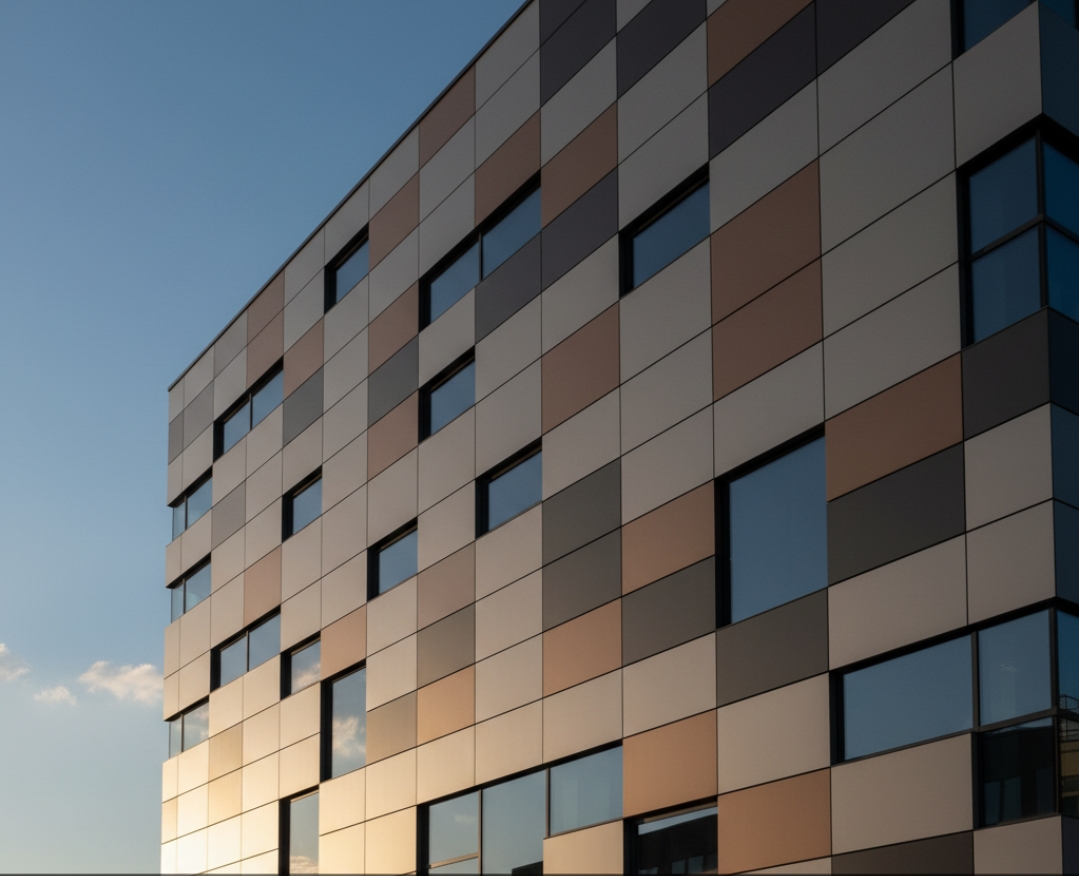
Aluminum Composite Material (ACM) exterior panels are widely recognized for their combination of durability, lightweight strength, and modern aesthetics. These panels feature two layers of aluminum bonded to a rigid core, which provides excellent weather resistance and structural stability. This makes ACM panels a reliable choice for exterior cladding in both commercial and residential buildings.
The versatility of ACM panels allows them to be used in a variety of architectural applications, including facades, signage, and interior walls. With a range of finishes, colors, and textures available, ACM can meet design demands while offering low maintenance and cost-effective performance. They also support enhanced building protection through innovative systems that improve drainage and air circulation.
As construction trends emphasize sustainability and long-term value, ACM exterior panels address these needs by balancing form and function. Their ability to withstand environmental challenges while delivering a sleek look attracts architects, contractors, and building owners alike.
What Are ACM Exterior Panels?
ACM exterior panels consist of layered materials engineered for durability, lightweight strength, and design flexibility. Their structure includes metal skins bonded to a core material, which influences fire resistance and panel performance. Finishes and coatings enhance visual appeal and protect against environmental damage. Sizes and thicknesses vary according to project needs and building requirements.
Core Materials and Composition
ACM panels are made from two thin aluminum sheets bonded to a core material. The core typically consists of polyethylene (PE), fire-retardant (FR) mineral-filled core, or specialized materials designed for enhanced fire resistance.
PE cores provide basic structure and lightweight performance but are less fire-resistant. FR cores incorporate mineral fillers to meet strict fire codes, making them suitable for exterior applications requiring higher fire safety. Some core types also improve sound insulation and impact resistance.
The aluminum surfaces are bonded tightly to the core, creating a durable and stable composite. This combination balances flexibility and rigidity, ensuring panels withstand weather, corrosion, and mechanical stress without significant deformation.
Common Finishes and Coatings
ACM panels come with a variety of finishes and coatings to serve both functional and aesthetic purposes. The most common coatings are PVDF (polyvinylidene fluoride) and PE paints.
PVDF finishes offer superior resistance to UV rays, chemicals, and fading, making them ideal for exterior use where long-term color retention matters. These coatings also resist chalking and corrosion. PE coatings are less durable but cost-effective for applications where budget constraints exist.
Panels are available in numerous colors, including metallics and custom prints. Textured and matte finishes are also possible, allowing architects to achieve specific visual effects. Some panels feature scratch-resistant coatings to enhance longevity.
Standard Sizes and Thicknesses
Standard ACM panels typically range in thickness from 3mm to 6mm, depending on the core type and intended use. Thinner panels (around 3mm) are common for interior applications, while thicker panels are preferred for exterior cladding requiring additional durability.
Panel sizes vary but commonly measure 4 feet by 8 feet or larger. Custom sizes are available to accommodate specific project dimensions and reduce waste. Large panels can cover broad surfaces quickly, minimizing installation time.
Thickness and size decisions affect weight, flexibility, and cost. Specifiers must balance these factors with structural demands and aesthetic goals to ensure optimal performance.
Benefits and Applications of ACM Exterior Panels
ACM exterior panels provide a balance of strength, design flexibility, and ease of installation. Their properties suit a variety of climates and architectural styles, while installation methods enhance building performance and longevity.
Durability and Weather Resistance
ACM panels consist of two aluminum layers bonded to a fire-retardant core. This structure offers strong resistance to impact, corrosion, and extreme weather conditions. They withstand UV exposure without significant fading or deterioration, maintaining appearance over time.
The material is lightweight yet rigid, reducing stress on building frameworks. ACM panels also resist moisture infiltration, preventing mold or structural damage. These properties make them reliable for harsh environments with varying temperatures and frequent precipitation.
Architectural Uses in Modern Design
ACM panels enable intricate design options, including curved or perforated shapes to match contemporary aesthetics. Their variety of finishes, such as metallic, matte, or gloss, complements commercial, institutional, and residential projects alike.
Designers appreciate ACM for its ability to create sleek façades that combine functionality with visual appeal. It supports creative architectural features like column covers, customized panels, and ventilated rainscreen systems to improve energy efficiency and durability.
Installation Methods
ACM panels are often installed using ventilated rainscreen systems, which leave an air gap behind the cladding. This setup facilitates air circulation, reducing moisture buildup and improving thermal performance.
Lightweight panels allow for faster installation compared to traditional materials, decreasing labor costs and project timelines. Their large panel sizes also mean fewer joints, enhancing weather sealing and reducing maintenance needs. Overall, installation is efficient and adaptable to complex building forms.
Disclaimer
This article is for general information only. It may not cover all safety rules, building codes, or technical requirements. Always check with a professional contractor, engineer, or local authority before choosing or installing ACM panels.