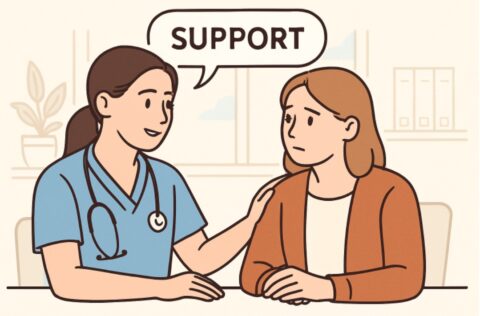


Making the transition from home care to aged care is one of those decisions that families often know is coming, yet still find emotionally and mentally challenging when the moment arrives. It’s a shift that involves practicality, finances, emotions, and most importantly, ensuring the well-being of the person who needs support. While home care can offer comfort and independence, there comes a time when consistent supervision, clinical support, or a more structured environment becomes necessary.
To help make the journey smoother, here are five key considerations—explained in a warm, human way—that families should talk through together.
1. Understanding Why the Transition Is Needed
One of the biggest questions families face is when to transition from home care to a more structured aged care setting. Sometimes the signs are unmistakable: frequent falls, difficulty managing medication, or progressive conditions like dementia, creating safety concerns. At other times, the clues are subtle—withdrawal from social activities, changes in hygiene routines, or a sudden struggle with everyday tasks, such as preparing meals.
To put this into perspective, think about how many industries use benchmarking to decide when it’s time to upgrade. For example, in aviation, aircraft undergo scheduled maintenance not because they’ve failed, but because careful monitoring signals it’s safer to intervene early. Similarly, noticing a loved one’s increasing care needs early helps families act proactively—avoiding crises and emotional overwhelm.
Having an open conversation that includes the person receiving care can make a world of difference. Even if the discussion feels uncomfortable, approaching it with empathy ensures that everyone feels heard and respected.
2. Financial Planning and Long-Term Budgeting
Aged care can become more affordable when families understand how fees are structured and what funding options might be available. Moving from home care, where costs are often flexible and based on hourly support, to aged care—where services are bundled—can feel like a big financial shift.
The transition is similar to moving from freelance work to a salaried job. When you’re freelancing, you pay for everything piece by piece. However, a salaried role typically comes with benefits built into the package. Aged care is the same: meals, 24/7 supervision, personal care, allied health services, and recreational activities are all included within a comprehensive fee structure.
Families might consider:
- What government subsidies or assessments apply
- How accommodation costs are calculated
- The difference between ongoing care fees and means-tested contributions
- Whether existing home support services can continue temporarily
This is also a time to review long-term financial sustainability. Decisions made quickly under pressure often lead to stress later. Preparing early—before care needs escalate—gives families the breathing room to make clear, confident choices.
3. Emotional Readiness for the Whole Family
Beyond logistics and money, there’s the emotional reality of transitioning into aged care. Many older adults fear losing independence, while families may grapple with guilt or worry about whether they’re doing the right thing.
In psychology and fields such as early childhood development, major transitions are approached slowly and supportively. The same principle applies here. For instance, educators gradually transition children into new routines by introducing one change at a time. Families can replicate this approach by:
- Visiting aged care communities together
- Having the person stay for short-term respite before a permanent move
- Creating familiarity by bringing personal items—photos, blankets, books
A little emotional preparation goes a long way. The aim isn’t perfection—it’s comfort, reassurance, and helping your loved one feel seen.
4. Choosing the Right Aged Care Environment
Choosing an aged care setting involves more than simply comparing rooms or amenities. It’s about ensuring that the environment matches the person’s care needs, preferred lifestyle, and personality.
Think of it the same way people choose a university or workplace. It’s not only about the facilities but also the culture, support system, and community. Families should consider:
- The staff-to-resident ratio
- How the care team communicates with families
- The availability of clinical services
- Daily lifestyle or enrichment programs
- The social environment—are there opportunities for connection?
For instance, someone who loves gardening may thrive in a place with outdoor activities, while someone living with dementia may need a secure memory-support environment. Taking time to match care needs with the right environment can significantly impact wellbeing and happiness.
5. Getting Professional Guidance and Support
Once families are in the midst of planning, decision fatigue can set in. Between paperwork, assessments, facility tours, and trying to juggle work and personal responsibilities, many people find themselves overwhelmed.
This is where professional guidance becomes incredibly valuable. Care coordinators, support planners, and transition specialists can help families:
- Understand assessment requirements
- Find suitable aged care communities.
- Navigate government programs
- Develop an individualized transition plan.
These professionals operate much like financial advisors or property consultants—providing clarity during complex decisions. Mid-to-late in the process, you can explore more through this website, which can serve as a practical starting point for families.
Balancing Familiarity and Safety
One of the biggest fears older adults have is losing their connection to the life they’ve built over decades. But aged care doesn’t have to mean losing that sense of home. Many modern aged care services emphasise continuity—continuing hobbies, maintaining relationships, and encouraging family involvement.
This is where the concept of quality of life becomes important—a concept often discussed in healthcare and supported by research from fields such as gerontology, one of the most widely referenced areas in ageing studies. Families should prioritise environments where emotional well-being, social connection, and dignity are at the heart of the care approach.
Final Thoughts: Making the Transition with Care and Confidence
Transitioning from home care to aged care is never purely a practical decision. It is deeply personal, emotional, and tied to a family’s values, hopes, and long-term vision for their loved one’s well-being. But with careful planning, open communication, and a willingness to seek support, the journey becomes far more manageable.
By understanding care needs, planning financially, addressing emotions, selecting the right environment, and seeking professional guidance, families can put themselves in a strong position to make informed decisions that protect both safety and dignity.
Aged care isn’t the end of independence—it’s the beginning of a more supported and secure chapter. And when approached thoughtfully, it can offer the peace of mind that families truly deserve.
Disclaimer
This article gives general information only. It is not personal advice. Every family and situation is different, so please speak with an aged care professional or financial advisor before making decisions.